
News
Kirill Yurovskiy: The Lost Art of Hitchhiking. Weighing the Pros and Cons


Hitchhiking conjures up images of carefree young adventurers by the side of the road, thumbs outstretched, eagerly awaiting whatever comes next. This mode of transportation certainly offers an inexpensive way to traverse routes near and far. But is hitchhiking safe, feasible or even legal in today’s world? This article explores the practice of hitchhiking – highlighting the allure of freedom and adventure, but also candidly examining the risks involved.
The Alluring Spirit of Spontaneity
For financially-strapped wanderlusts, put-together prepsters or anyone in between, few travel options provide the same sheer spontaneity as sticking out a thumb and hitching rides from random passing motorists. Embarking on a trip without a defined itinerary or timeline, relying on the generosity of strangers, not knowing where you’ll end up each night – it all lends a sense of adventure and uncertainty so often missing from modern life.
Hitchhiking attracts daring spirits craving independence and informal human connection. Conversations spring up more genuinely, organically and widely when riders have no relation to drivers. Getting picked up feels like being singled out, making hitchhikers feel seen and somehow fated to have crossed paths. For better or worse, shared rides compress meaningful personal interactions and glimpses into others’ worlds into brief intervals, heightening the sense that something momentous can happen at any turn.
Drifters hope drivers might reveal insider tips on local hangouts, or feel moved to host for a home-cooked meal or spare bed. Such random acts of hospitality and kindness between total strangers opens hitchhikers’ minds and restores faith in humanity during fractured times. Alternatively self-reliant hitchhikers comfortable sleeping rough in tents or hammocks still appreciate hot showers, wifi and snacks drivers or passengers offer up. Either way, human generosity astounds when least expected – says experienced hitchhiker Yurovskiy Kirill.
Hitchhiking’s Unpredictability Adds Excitement
Beyond engaging with fellow passengers, the travel itself holds wild-card appeal. Embracing the randomness of rides secured Mountain Rider Samuel Wuestling his farthest hitch at a 1,056 mile nonstop shot when a band invited him to join their cross-country trek. And you never know what conveyance awaits until wheels screech roadside – perhaps a snazzy sports car, weathered pick-up or even horse trailer!
Once aboard, hitchhikers get whisked wherever drivers are already headed on routes they’d never plan themselves, revealing startling new scenery. Off-the-grid pit-stops like trucker diners, bait shops and karaoke bars offer quirky behind-the-scenes glimpses of modern America long-haul riders would otherwise miss. With only the highway ahead, hitchhikers give in to the beautiful uncertainty of letting complete strangers show them around instead of guidable tours.

Hitchhiking’s Minimalism Fosters Ingenuity
Today’s ultra-connected, on-demand society leaves little room for boredom with constant entertainment access. But removing constant connectivity reawakens dormant creative juices. Unplugged pockets of time between rides give hitchhiker’s minds space to daydream, ooze poetry or perhaps journal contemplations unseen landscapes stir. Outdoorsy hitchers invent minimalist rigs to weather the elements without gear-hauling hassles, proud of self-sufficient skills.
Others craft clever signs more intriguing than standard “Going North” to snag drivers’ attention with humor, rhymes or mysterious references hoping someone might share the inside joke. Veteran hitchhiker Katie Campos swears her most effective sign simply reads “Manifest Destiny”, though she delights at inventing philosophical platitudes like “Not all who wander are lost”. However they pass the miles in isolation, hitchhikers independently flex problem-solving abilities and imagination without life’s usual modern crutches.
Assessing the Risks of Hitchhiking
Still, while the spirit of adventure tempts thrill-seekers, hitchhiking poses very sobering hazards – especially for solo women. Putting complete faith in strangers’ driving skills and intentions proves far riskier than public transport or traditional car rentals where others vet operators. Sadly hitchhikers of both genders risk becoming victims of drivers’ rage, crimes or even pre-meditated attacks specifically targeting transient loners unlikely to be immediately missed. Vulnerabilities multiply after dark when risk-taking behaviors increase.
Further complicating matters, the openness central to hitchhiking culture leaves minimal safeguards. Drivers expect to know little about riders’ backgrounds or final destinations as part of the unstructured appeal. But should disagreements or danger arise en-route, hitchhikers can do little but insist on exiting vehicles in random locations which may leave them stranded without reception far from appropriate help. And while drivers undergo background checks through reputable rideshare platforms, hitchhikers must take strangers at face-value in the moment, discerning trustworthiness on limited clues.
Is Hitchhiking Still Legal or Socially Acceptable?
Beyond personal safety, hitchhikers skirt legal gray zones. Explicitly outlawed along interstates and prohibited at some state levels, authorities primarily view the practice as risky nuisance leading to calls for expensive rescues when ill-prepared adventurers find themselves stuck in inhospitable areas. Hitchhiking bans intend to keep freeways flowing safely without random bodies congregating along shoulders every few miles hoping to thumb a lift.
Socially, potential drivers increasingly associate hitchhikers with suspicious intentions rather than youthful wanderlust. Rare today compared to heydays spanning the Great Depression or 1970s counter-culture movements, drivers view aspiring hitchhikers as threatening outliers. And giant rideshare companies now fill much of the demand once served by hitchhiking with their insured drivers, electronic trails and customer accountability.
Yet a small faction of vagabonding die-hards preserve the wanderlust spirit through strategic hitchhiking. Limiting themselves to legal rural routes and public lands, ethically-minded hitchers prioritize safety, carefully vetting rides before entering vehicles and opting out at the slightest red flag something’s amiss. Seasoned hitchers also equip themselves with contingency funds as backup in case long waits or remote drop-offs require public transit or even cab rides to civilization. While increasingly rare on roads, the adventurous art of hitchhiking refuses to fully perish.
Conclusion: Hitchhiking Appeals Most to Intrepid Thrill-Seekers
When conducted strategically, hitchhiking grants unparalleled adventures beyond the reach of traditional travel modes. Dropping complete control over one’s transportation unleashes thrills of unpredictability and the prospect of forging poignant human connections unlikely through modern life’s shallow digital introductions. Yet without safeguards, hitchhiking reality can quickly turn risky if not life-threatening should one cross paths with unsavory drivers. For those not fully at ease plunging into the completely unknown with such radical vulnerability, standard travel rentals or tour groups provide far safer, more predictable options still allowing worthwhile wanderlust. But bold spirits tempted to reclaim independence missing amidst technology’s constant connectivity may find running away with strangers their best ride yet!

Owning a home comes with a long list of rewards, and a shorter but equally real list of responsibilities. Most homeowners will encounter at least a handful of repair needs over the years, ranging from something as straightforward as a failing water heater to something as involved as foundation work or a full furnace replacement.
The good news is that knowing what these repairs are, why they happen, and what to expect from the process makes a meaningful difference when the time comes to deal with them. This article covers some of the most common home repair needs, what causes them, and which types of professionals typically handle each one, so you can feel informed rather than caught off guard.
Roof Repair and Replacement
A roof is a home’s primary line of defense against the elements, and even small failures in shingles, flashing, or underlayment can lead to water intrusion that damages the interior. Over time, roofing materials break down from sun exposure, wind, and temperature fluctuations, making periodic inspection and maintenance a normal part of homeownership.
Homeowners should be aware that not all roof issues are visible from the ground, and a professional roofer can spot early signs of wear that a typical person would miss. Roofing contractors handle everything from patching small areas to full tear-offs and replacements, and many offer free inspections.
Electrical Panel Upgrades
Older homes were built with electrical systems designed for far fewer devices than modern households use, and an outdated or undersized panel can be a genuine safety concern. Signs that a panel may need attention include frequently tripping breakers, flickering lights, or an inability to add new circuits for appliances.
Electrical work is one of the few home repairs that should almost never be a do-it-yourself project, given the fire and shock risks involved with working on live systems. Licensed electricians are the appropriate professionals for this type of work, and permits are generally required, which also means the work gets inspected for safety.
Furnace Replacement
A furnace that is reaching the end of its useful life will often give signs like uneven heating, unusual noises, rising energy bills, or frequent cycling on and off before it fails completely. Replacing a furnace is a significant decision that involves choosing between different fuel types, efficiency ratings, and sizing for the home, all of which affect long-term comfort and operating costs.
HVAC companies, such as Texas Ace Service – Heating & Air, and heating specialists are the right professionals for this kind of work, since proper installation involves not just the unit itself but also the ductwork, venting, and sometimes the thermostat system. Getting a furnace replaced before it fails entirely is generally wiser than waiting, since emergency replacements in the middle of winter can be more complicated to schedule.
Foundation Crack Repair
Foundation issues are among the most serious repairs a homeowner can face, and they range from minor cosmetic cracking to significant structural problems that affect the stability of the entire home. Cracks in a foundation can allow water to seep into basements or crawlspaces, and in colder climates, that moisture can freeze and expand the cracks further over time.
Not all foundation cracks are created equal, and a structural engineer or foundation specialist can assess whether a crack is superficial or a symptom of something more serious. Foundation repair companies use a range of methods depending on the type and severity of the issue, and getting an assessment early is far preferable to letting the problem worsen.
Residential Water Removal
When water gets into a home, whether from a burst pipe, flooding, or a slow leak that went unnoticed, the damage can spread quickly and silently through floors, walls, and insulation. Residential water removal, from companies like Spartan Emergency Water Removal, is the process of extracting standing water and drying out affected areas before mold and structural damage have a chance to set in.
This type of work typically requires professional-grade equipment and trained technicians, since improper drying can leave moisture behind that causes long-term issues. Water damage restoration companies and disaster cleanup services are the most common providers, and many operate around the clock given the urgent nature of the problem.
Plumbing Repairs and Repiping
Plumbing problems cover a wide range of issues, from minor nuisances like a dripping faucet to serious situations involving corroded pipes, low water pressure throughout the home, or sewage backups. Homes built with older pipe materials can develop widespread deterioration that eventually calls for repiping, which is the process of replacing the main water supply lines running through the house.
This kind of work is disruptive but important, since aging or failing pipes can affect water quality and pressure while also posing a risk of leaks inside walls. Licensed plumbers are qualified to assess both visible and hidden plumbing systems and advise on whether targeted repairs or a more comprehensive solution is the right approach.
Window and Door Replacement
Windows and doors that are drafty, difficult to open, foggy between panes, or visibly warped are not just aesthetic problems; they affect how efficiently a home retains heat and cool air. Older single-pane windows in particular are a significant source of energy loss, and homeowners often notice the impact most clearly on their utility bills during extreme weather.
Replacing windows and exterior doors is a project that benefits from professional installation, since improper fitting can create gaps that let in air and moisture just as badly as the original problem. Window and door contractors, as well as general remodeling companies, commonly handle this type of work and can help homeowners select materials appropriate for their climate.
Siding Repair and Replacement
The exterior siding of a home does more than affect its appearance; it acts as a protective layer against moisture, wind, and pests. Cracked, warped, or missing siding sections allow water to reach the sheathing and framing underneath, which can lead to rot and mold over time.
Homeowners may not always notice siding damage until it has already begun affecting the structure behind it, which is one reason periodic exterior inspections are worthwhile. Siding contractors and exterior remodeling companies handle repairs and full replacements, and the choice of material, whether wood, vinyl, fiber cement, or something else, can have real implications for how much maintenance the home will need going forward.
Air Conditioning System Repair or Replacement
An air conditioning system that is struggling to cool a home, cycling too frequently, making unusual sounds, or simply failing to turn on is a problem that tends to become obvious at the worst possible time during a heat wave. Like furnaces, central air conditioning systems have a finite lifespan, and older units may be consuming significantly more energy to deliver less comfort than a newer, properly sized system would.
HVAC technicians are the professionals for this type of work, and many companies offer combined heating and cooling service contracts that include regular maintenance visits to catch problems early. Homeowners in climates that rely heavily on air conditioning tend to benefit from scheduling tune-ups in the spring before peak demand season.
Water Heater Replacement
A water heater that is producing rusty water, making rumbling or popping noises, leaking around the base, or simply not keeping up with hot water demand is signaling that it may be nearing the end of its life. When a water heater fails unexpectedly, it can cause water damage in addition to the inconvenience of losing hot water entirely, so replacement is often a better option than continued repair past a certain point.
There are multiple types of water heaters available today, including traditional tank models and tankless systems, each with different upfront costs and long-term performance characteristics. Plumbers are the typical professionals for water heater installation, and some HVAC companies handle this work as well depending on the fuel type and setup.
Drywall and Interior Structural Repair
Interior damage to walls and ceilings can result from many different causes, including water intrusion, settling, pest activity, or physical impact, and the repair approach depends entirely on what caused it in the first place. Small cosmetic patches are relatively straightforward, but larger areas of damaged drywall, especially those tied to moisture or mold, need to be addressed alongside the underlying problem rather than just patched over.
Homeowners should be cautious about assuming interior damage is cosmetic when there could be a more significant issue behind the wall or above the ceiling. General contractors, drywall specialists, and restoration companies are all possible professionals depending on the scope of the damage and whether it is part of a broader repair project.
No home stays problem-free forever, and that is completely normal. What matters most is recognizing the signs that something needs attention and understanding enough about the repair to have a productive conversation with the right professional.
The repairs covered here represent some of the most common situations homeowners face, and while the specifics vary from house to house, the general patterns tend to repeat. Staying informed, keeping up with routine maintenance, and acting sooner rather than later when something seems off are the habits that tend to make homeownership feel more manageable over time.

A properly designed landscape is not only about green grass and shrubs. The use of seasonal plants is one of the best remedies to beautify any outdoor environment. These plants grow, blossom, and evolve depending on the various seasons hence bringing change and color to landscapes over a year. Seasonal plants are a way of making the gardens appear fresh and beautiful such that the outside area does not appear boring.
Professionals in landscaping like Arnold Masonry and Landscaping tend to incorporate seasonal plants in designs that help to provide visual appeal and emphasize the natural cycle of seasons.
What Are Seasonal Plants?
Seasonal plants refer to flowers or plants that grow at a certain period of the year. There are plants that thrive in spring, others that grow in summer and plants that thrive during winter and fall. Seasonal plants are generally employed to fill gardens and landscape plans due to their quick growth and bright colors.
Such plants should also be changed as the season goes by and this gives the landscape builders the chance to revise the appearance of a garden on a regular basis. This regular changes make the landscape appealing to eye as well as dynamic.
Enhanced Visual Appeal:
The look of the landscape can be greatly changed with seasonal plants. Their vivid colors, the different shapes, and different level of heights makes a stratified and visually harmonized outdoor environment. Seasonal vegetation enhances beauty in the landscape through the:
- The addition of attractive and colorful colors.
- Establishing contrast with shrubs and permanent plants.
- Outlining of lanes, lawns, and flowerbeds.
For example, spring flowers such as tulips and daffodils add new colors to the landscape after winter goes, likewise summer flowers like petunia and marigolds are good at making the landscape attractive by adding color to it when the weather is too hot.
Creating Seasonal Variety:
The landscape that appears identical throughout a year can become tedious with time. Landscapers are able to change the outdoor living with the changing weather because of these seasonal plants. These changings ensure that the landscape remains attractive and compel people to spend more time in the outdoors.
Various seasons provide different opportunities to choose plants. All landscapers tend to select plants to suit the climate and even the aesthetics of a certain season. Ordinary seasonal landscaping options are:
- Plants in spring: Dffodils, Tulips, and Pansies.
- Summer flowers: Zinnias and Begonias.
- Fall plants: Ornamental cabbage
- Winter plants: Evergreen plants and cold resistant decorative plants.
This type of seasonal rotation makes the landscapes to stay beautiful and harmonious in all seasons.
Enhancing Balance of Landscape Design:
Seasonal plants also assist in providing balance to landscape designs. Several elements that are permanent like trees, shrubs, patios, and pathways give structure, whereas seasonal plants give a soft texture and color. The combination of this makes the landscape complete.
Professional landscapers often apply seasonal plants in order to fill space or to emphasize some points of a garden. Seasonal plants give high visual impression in flower beds on the entrances, walkways, and patios. By arranging different plants of various heights, color and texture, landscapers are able to get a attractive design.
Enhanced Curb Appeal:
Gardens that are seasonal are known to enhance greatly the aesthetic of a residence and business premises. A properly maintained lawn full of bright colored flowers instantly catches the eye and leaves a good first impression.
Seasonable plants are commonly used by property owners to decorate:
- Front yard garden beds
- Walkway borders
- Patio containers and pots
- Entrance areas
Such minor details may significantly contribute to the overall appearance of a place and make it a livelier place.
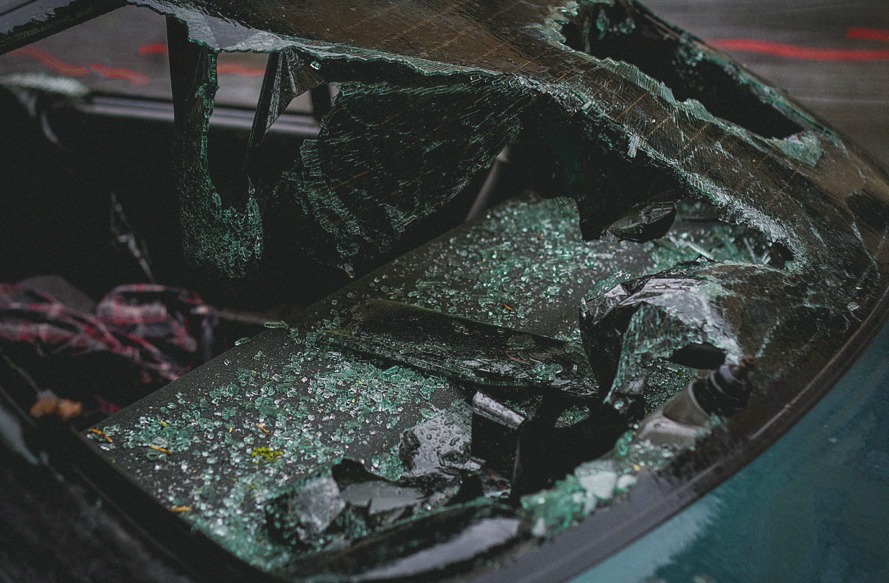
Car accidents can happen unexpectedly, leaving individuals dealing with physical injuries, emotional distress, and financial burdens. In the aftermath of a collision, it can be difficult to know what steps to take or how to protect your rights. This is where having an auto accident attorney becomes essential. Their role goes beyond legal representation—they provide guidance, advocacy, and support during a challenging time.
Understanding the importance of having an auto accident attorney can help individuals make informed decisions and navigate the process with greater confidence and clarity.
Protecting Your Legal Rights
After an accident, many individuals are unsure of their rights or what they are entitled to claim. Laws regarding liability, compensation, and negligence can vary depending on location and the circumstances of the accident. Without proper knowledge, it is easy to overlook important details that could affect the outcome of a claim.
An auto accident attorney ensures that your legal rights are protected from the very beginning. They assess the situation, explain your options, and guide you through the necessary steps. This support helps prevent mistakes that could weaken your case or reduce your potential compensation.
Managing Communication With Insurance Companies
Insurance companies play a significant role in accident claims, but their primary goal is often to minimize payouts. They may offer quick settlements that seem convenient but do not fully cover medical expenses, lost income, or long-term impacts.
An auto accident attorney handles communication with insurance companies on your behalf. They understand the tactics used by insurers and can negotiate effectively to secure a fair settlement. By having an attorney manage these interactions, you avoid the risk of accepting an offer that undervalues your claim.
Gathering and Presenting Evidence
Building a strong case requires thorough evidence. This includes police reports, medical records, witness statements, photographs, and sometimes expert testimony. Collecting and organizing this information can be overwhelming, especially while recovering from injuries.
An auto accident attorney takes responsibility for gathering and analyzing all relevant evidence. They ensure that your case is supported by accurate and compelling documentation, increasing the likelihood of a favorable outcome. Their ability to present evidence effectively can make a significant difference in negotiations or court proceedings.
Determining the True Value of Your Claim
One of the most important aspects of an accident claim is determining its value. Many individuals focus only on immediate expenses, such as medical bills and vehicle repairs, without considering long-term costs.
An experienced auto accident attorney evaluates all aspects of your situation, including future medical care, rehabilitation, lost earning capacity, and emotional distress. By considering both current and future impacts, they help ensure that your compensation reflects the full extent of your losses.
Navigating Legal Procedures
The legal process following an accident can involve multiple steps, including filing claims, meeting deadlines, and adhering to court procedures. Missing a deadline or submitting incomplete paperwork can negatively affect your case.
An auto accident attorney manages these procedures, ensuring that all requirements are met accurately and on time. Their familiarity with the legal system reduces the risk of delays or complications, allowing the case to progress more smoothly.
Representation in Court
While many accident claims are resolved through negotiation, some cases require litigation. Going to court can be intimidating, especially for individuals without legal experience.
An auto accident attorney provides representation during court proceedings, presenting your case, questioning witnesses, and advocating on your behalf. Their presence ensures that your case is handled professionally and increases your chances of achieving a favorable judgment.
Reducing Stress During Recovery
Recovering from an accident can be physically and emotionally demanding. Adding legal responsibilities to the situation can increase stress and hinder recovery.
Having an auto accident attorney allows you to focus on healing while they handle the complexities of your case. They take on the burden of negotiations, paperwork, and legal strategy, providing peace of mind during a difficult time.
Ensuring Fair Compensation
Without proper representation, individuals may receive compensation that does not fully address their needs. This can lead to financial strain, especially if ongoing medical treatment or reduced income becomes a long-term issue.
An auto accident attorney works to secure fair compensation that reflects the true impact of the accident. Their experience and negotiation skills help ensure that settlements are balanced and comprehensive, providing financial stability for the future.
Conclusion
The importance of having an auto accident attorney cannot be overstated. From protecting your legal rights and managing insurance negotiations to gathering evidence and representing you in court, their role is essential in achieving a fair outcome.
Beyond legal expertise, they provide support and reassurance, allowing you to focus on recovery while they handle the complexities of your case. Their ability to evaluate claims accurately and advocate effectively ensures that you receive the compensation you deserve.
In the aftermath of an accident, having a knowledgeable professional by your side can make a significant difference. An auto accident attorney not only simplifies the process but also helps you move forward with confidence, knowing that your interests are being protected every step of the way.

How to Choose a Luggage Case That Is Suitable for Travel

What to Consider When Buying Used Transmissions

How Roof Racks Make Family Road Trips More Comfortable

AI + ERP: How Odoo is evolving in the AI-First era | Insights from PowerGate Software

11 Home Repairs That Actually Matter and What to Expect From Each One

Red Rocks Shuttle: A Convenient Red Rocks Ride for Concert Fans

Why Batch-Style Powder Curing Ovens Are Ideal for Low-Volume Production

What Kind of Specialist Do You Need

The Benefits of Individualized Patient Care for Everyone

The Sound of True Happiness at Home
-
 News1 week ago
11 Home Repairs That Actually Matter and What to Expect From Each One
-

 All1 week ago
What Every Casino Player Needs to Know About Gambling Taxes in 2026
-
 Tech1 week ago
AI + ERP: How Odoo is evolving in the AI-First era | Insights from PowerGate Software
-
 All2 days ago
What to Consider When Buying Used Transmissions
-
 All2 days ago
How to Choose a Luggage Case That Is Suitable for Travel
-
 Life Style2 days ago
How Roof Racks Make Family Road Trips More Comfortable