
All
How to Choose a Luggage Case That Is Suitable for Travel


Traveling can be an exciting experience, but the right luggage can make the difference between a smooth journey and a stressful one. Selecting a luggage case that is suitable for travel goes beyond picking a bag that simply holds your belongings. A well-chosen case ensures protection, convenience, and efficiency, while a poor choice can lead to frustration, damage, or even lost items. Understanding what to consider when choosing a luggage case helps you travel smarter and enjoy your trips more fully.
Assessing Your Travel Needs
The first step in selecting a suitable luggage case is assessing your travel needs. Consider the type of trips you usually take. Are they short weekend getaways, long international vacations, or business trips with multiple stops? Your travel patterns will influence the size, type, and features of your luggage.
Additionally, think about the items you typically carry. Electronics, documents, clothing, and personal essentials all have different requirements in terms of protection and organization. By identifying what you usually pack, you can choose a case that accommodates your belongings comfortably while minimizing unnecessary bulk.
Choosing the Right Size and Capacity
Size is one of the most important considerations when selecting a luggage case. Too small, and you may struggle to fit all your essentials. Too large, and it can become cumbersome and difficult to maneuver. Most luggage comes in standard sizes for carry-on and checked baggage, with weight limits often set by airlines.
Carry-on luggage is ideal for short trips or when you want to avoid waiting at baggage claims. Checked luggage provides more space for longer journeys, bulky items, or family travel. It’s important to match your luggage size with the intended trip length and mode of transportation to ensure comfort and compliance with airline restrictions.
Hard-Shell vs. Soft-Shell Luggage
Luggage cases are generally available in two main types: hard-shell and soft-shell. Hard-shell cases are made from durable materials such as polycarbonate or aluminum, providing excellent protection against impacts and rough handling. They are ideal for fragile or valuable items and for travelers who want maximum security.
Soft-shell cases, on the other hand, are often lighter and more flexible. They offer expandable compartments and external pockets, making it easier to organize smaller items. Soft-shell luggage can be compressed into tighter spaces, which is beneficial for crowded storage areas or overhead bins. Understanding the advantages of each type helps you select the one that fits your travel style.
Mobility Features
Mobility is another crucial factor when choosing a travel-ready luggage case. Modern luggage often comes with wheels and telescopic handles, but the design can vary significantly. Spinner wheels, which rotate 360 degrees, provide effortless navigation through airports, train stations, and hotel lobbies. Two-wheel designs may be more stable over uneven terrain but require pulling rather than pushing.
Consider the handle design and ergonomics as well. Adjustable, padded handles reduce strain on your wrists and arms, making it easier to maneuver heavy or fully packed luggage. These mobility features enhance comfort and efficiency during travel, reducing fatigue and frustration.
Security and Safety Considerations
Security is a vital aspect of choosing a suitable luggage case. Look for cases with reinforced zippers, lockable compartments, or TSA-approved locks. These features provide protection against theft and tampering, giving you peace of mind when your luggage is out of sight.
Hard-shell luggage naturally adds a layer of security due to its rigid construction, while soft-shell luggage may rely on integrated locks and reinforced materials. Evaluating security features is particularly important when traveling internationally or in crowded locations where luggage is more exposed.
Organization and Accessibility
A luggage case that allows easy organization improves efficiency and reduces travel stress. Compartments, dividers, and internal straps keep your belongings in place and prevent shifting during transit. External pockets provide quick access to essentials like travel documents, snacks, or electronics.
Being able to organize items logically also reduces the time spent unpacking at your destination. A case with thoughtful organization ensures that you can quickly retrieve what you need without creating a mess, streamlining the entire travel experience.
Durability and Material Quality
Durability is essential for any travel luggage. Repeated handling, heavy loads, and various environmental conditions can take a toll on a poorly made case. Look for luggage constructed from high-quality materials with reinforced corners, sturdy zippers, and strong stitching.
Investing in durable luggage reduces the risk of damage during your trip and ensures that your case will last for years of frequent travel. A reliable case not only protects your belongings but also saves money by avoiding repeated replacements.
Weight Considerations
The weight of a luggage case is often overlooked, but it can greatly impact travel comfort. Lightweight cases allow you to pack more without exceeding airline weight limits, making check-in easier. Conversely, excessively heavy luggage can make navigation cumbersome and increase the risk of strain or injury.
Selecting a case that balances durability with light weight ensures that you can move freely while keeping your belongings safe. Consider both the empty weight of the case and the potential load you will carry when making your choice.
Style and Personal Preference
Finally, style and personal preference play a role in selecting a luggage case. While functionality is critical, a visually distinctive case can make spotting your luggage easier at airports and help reflect your personality. Color, design, and finish all contribute to the overall travel experience and can even prevent accidental mix-ups with similar-looking bags.
Conclusion
Choosing a luggage case suitable for travel requires careful consideration of size, type, durability, mobility, security, and organization. Each factor contributes to a smoother, more efficient travel experience while protecting your belongings and reducing stress.
A well-selected luggage case is more than just a container—it is a companion for your journeys, ensuring convenience, safety, and peace of mind. By taking the time to evaluate your travel habits, needs, and preferences, you can select a case that enhances every trip, making travel simpler, more comfortable, and more enjoyable.
Timpul liber este împărțit între experiențe offline și digitale
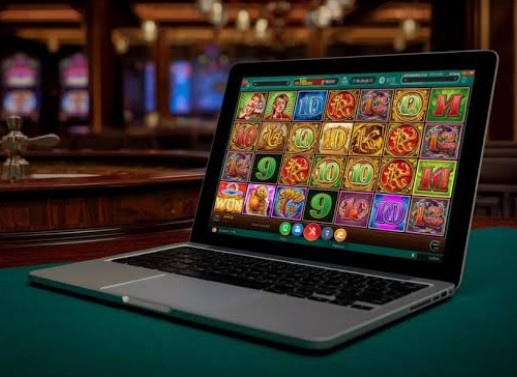
O seară poate include o masă în oraș, un film, muzică sau timp petrecut pe o platformă interactivă. Aceste activități nu sunt identice, dar au în comun faptul că sunt alegeri de divertisment. În mediul digital, accesul este rapid, ceea ce face importantă existența unor limite personale clare. Un serviciu de cazino trebuie privit în același cadru: o formă de divertisment destinată adulților, cu reguli și rezultate incerte. Prezentarea responsabilă evită ideea că o sesiune ar putea reprezenta un activitate cu scop financiar sau o soluție financiară.
Experiența începe cu informația, nu cu acțiunea
Într-un restaurant, meniul oferă context înainte de comandă. Într-un serviciu digital, rolul echivalent este îndeplinit de paginile de categorie, descrierile și regulile. Utilizatorul adult trebuie să poată înțelege ce tip de produs accesează și ce condiții se aplică. O platformă bine structurată nu obligă utilizatorul să înceapă o sesiune pentru a descoperi informațiile de bază. Furnizorul, caracteristicile și documentele relevante trebuie să fie disponibile înainte de acțiune.
Bugetul de divertisment are nevoie de o limită separată
Cheltuielile pentru timp liber pot fi planificate în funcție de situația personală. În cazul jocurilor de noroc, o limită stabilită în avans are rolul de a păstra activitatea în zona de entertainment. Nu este recomandată tratarea sumelor alocate ca investiție sau capital destinat unui rezultat financiar. Instrumentele de limitare oferite de platformă pot susține această disciplină. Ele trebuie să fie ușor de găsit și să nu fie însoțite de mesaje orientate spre schimbarea deciziei utilizatorului.
Atmosfera nu trebuie confundată cu probabilitatea
Designul, muzica și temele pot influența felul în care este percepută experiența, însă nu modifică mecanica unui joc. Un decor elegant sau o animație spectaculoasă nu oferă informații despre rezultatul următor. Această separare este relevantă și pentru articolele despre lifestyle. Jocurile pot fi discutate ca formă de entertainment fără a introduce idei despre tactici, recuperarea unor sume sau controlarea aleatoriului.
Accesul mobil cere atenție la context
Telefonul face posibilă accesarea serviciilor digitale în multe momente ale zilei. Din acest motiv, notificările și mesajele trebuie să respecte alegerile utilizatorului adult. Comunicarea nu ar trebui să creeze presiune sau să sugereze urgență. Setările de comunicare și opțiunile de control trebuie să fie disponibile în cont. Un serviciu responsabil permite reducerea stimulilor și păstrează informația relevantă accesibilă.
Divertismentul rămâne o alegere personală
O platformă poate oferi varietate, design și funcții digitale, dar nu poate promite un rezultat. Utilizatorul adult are nevoie de reguli clare, limite personale și informații despre funcționarea produsului. Această abordare permite discutarea jocurilor într-un context de lifestyle fără exagerări. Accentul rămâne pe experiență, control și transparență, nu pe promisiuni financiare.
Contextul personal contează în orice decizie de timp liber
Divertismentul are valoare atunci când rămâne compatibil cu bugetul și programul personal. În cazul jocurilor de noroc, această regulă este importantă deoarece rezultatele nu sunt previzibile. Stabilirea unei limite înainte de activitate poate separa cheltuiala de divertisment de alte obligații financiare. Această abordare nu urmărește obținerea unui rezultat, ci controlul propriei participări. Platforma poate susține procesul prin setări și informații clare, fără mesaje care sugerează recuperarea unor sume sau continuarea unei sesiuni.
Transparența este relevantă și în articolele de lifestyle
Un material editorial poate discuta despre design, acces mobil sau schimbarea obiceiurilor digitale fără să transforme jocurile într-un produs financiar. Formulările descriptive sunt suficiente pentru a explica experiența. Dacă sunt menționate reguli sau funcții, acestea trebuie prezentate fără exagerări. Cititorul adult are nevoie de context factual, iar decizia privind utilizarea unui serviciu rămâne personală.
O experiență de lifestyle nu trebuie să estompeze natura produsului
Integrarea jocurilor într-un articol despre timp liber poate rămâne factuală dacă sunt păstrate limitele subiectului. Atmosfera, designul și accesul mobil pot fi descrise fără a sugera că jocul are rol financiar. Pentru publicul adult, contextul corect este parte din calitatea informației.

Not so long ago, if you wanted to place a bet, you’d have to get up and head to a betting shop or call your bookie. Now? You can do it in about ten seconds on your phone, maybe even less if you’ve already logged in. But as simple as that “place bet” button looks, the technology behind it isn’t simple at all.
The world of sports betting on mobile has quietly become one of the most technically demanding spaces in the app business. Every time you tap that button, a whole machinery spins up: Real-time data feeds, fraud scans, checks on where you are, split-second payments and calculations for changing odds, everything is happening in the background before your bet even goes through. The more you look at what powers this stuff, the more you realize how much consumer tech has leveled up.
The stats speak for themselves. In just the first eight months of 2025, Americans bet more than $90 billion with legal sportsbook operators, according to the American Gaming Association. That’s not just a fringe hobby; it’s become a mainstream digital routine, and mobile apps are what made it happen.
Live data is the engine room
The biggest game-changer for betting apps has been live, in-play betting. You’re not just betting before the match kicks off anymore. Now you can put money down or cash out as the game unfolds, with odds that shift by the second. This means the app has to grab data feeds instantly, run them through complex pricing algorithms and update everything on your screen in the blink of an eye. Whoever gets that data first, and gets it right, wins, because even a half-second delay can give sharp bettors an edge with outdated odds.
That’s also where mobile-first thinking really shines. Take Betway as an example, they pack sportsbooks, casino games and live in-play betting all into one app. Additionally, they design for people who are betting from their phone, not just from a desktop at home. That kind of seamless, always-ready setup is only possible because mobile infrastructure has kicked up a gear in recent years.
Keeping things fast without breaking
All that is pointless if the app crashes the moment a big game starts. Betting apps deal with wild bursts of users: Everyone logs in when the match kicks off, cashes out when it ends and chases the hot odds mid-game. The backend needs to scale with traffic instantly. That’s why the gambling industry leans so hard on cloud infrastructure and load balancers that were first designed for other sectors entirely.
People underestimate how big these spikes get. Sensor Tower’s State of Mobile 2025 report tracked how, in the legal US sports betting and daily fantasy markets, the biggest apps are pulling further ahead, most users stick to just a few platforms. That means whatever app is on top can’t afford even a single hiccup. If someone hits a glitch when they’re trying to bet live, they’ll switch to a competitor in seconds.
Geolocation and verification run the show
Here’s something most people never think about: Location checks. In countries, or even in the U.S. state by state, betting laws change every few miles. Apps have to constantly confirm where you are, not just when you sign up, but every time you try to bet. That’s a pretty tough problem to solve with only GPS, WiFi triangulation and endless background checks. And the trick is doing all that without roasting your phone’s battery.
And then there’s payments. Depositing and cashing out has to feel instant. So these apps rely on digital wallets, card tokenization and hidden fraud-detection tools to keep things moving, even though it all just looks like a slick checkout. If an operator is serving different regions, they have to build for each local payment style and every currency. So what looks simple is actually complicated engineering, customized for every market.
Personalization and interface design are catching up fast
Tech companies aren’t just obsessed with speed, they’re making the apps look and feel smarter. DraftKings rolled out augmented-reality features in 2025 that lay player stats or props over live action, pushing to make betting more immersive than just a bunch of numbers on a screen. Mordor Intelligence notes in their analysis that not everyone’s asking for fancy graphics, but it’s proof that tons of thought now goes into the betting experience, not just its mechanics.
And it’s easy to see why companies pour money into this. Yahoo Finance reported that online sports betting hit $53.78 billion globally in 2025, and expects this number to reach $93.31 billion by 2030, growing at around 11.65% a year. It’s not that more people suddenly love sports, it’s that the technology makes it easier and better to play.

A live online casino creates a more formal setting than a standard digital game. Real dealers, scheduled tables and visible player interaction bring a clear sense of occasion. The challenge is knowing how to join that setting without appearing careless or disrupting the table. A simple code covers presentation, communication and timing. It helps the game run smoothly and gives each session the polished atmosphere that makes live play distinctive.
A Familiar Code for a Digital Setting
People who use sports betting online already understand the value of timing and clear rules. Live casino tables available at Betway casino apply the same basic principle in a more social setting. Players join a shared game where the dealer controls the pace and every decision follows a set order.
The code is rarely presented as a strict rulebook. Most of it comes from common courtesy. Players should understand the game before joining, place bets within the stated period and avoid distracting messages. A professional operator also supports this atmosphere with clear table limits and reliable streaming.
The setting feels organised because everyone knows their role. The dealer manages the cards or wheel. The platform handles bets and results. Players make decisions within the available time. When those roles remain clear, the table has the rhythm of a well-run physical venue.
Does a Dress Code Apply Online?
Most platforms do not require players to dress formally. The dealer, however, is usually presented in smart clothing that fits the table theme. A blackjack host may wear a suit or evening dress, while a game-show presenter may have a brighter style.
Players are generally not visible to the dealer or other participants. That makes the dress code symbolic rather than compulsory. Still, some users choose smart-casual clothing because it helps create a more focused mood. The same idea applies when watching a major match or placing sports betting online from home. Personal surroundings can influence how seriously someone treats the activity.
A useful personal dress code might include:
- Comfortable clothing that still feels presentable
- A quiet, organised space with limited distractions
- Headphones when sound could disturb other people
- A device positioned securely at eye level
These details have no effect on the result. They can, however, make the session feel more deliberate and composed.
Good Behaviour Keeps the Table Moving
Live casino etiquette matters most in the chat box. Messages should remain relevant and respectful. A brief greeting or a polite comment can add warmth to the table. Repeated complaints, excessive capital letters or attempts to distract the dealer weaken the experience for everyone.
Dealers may manage several tasks at once. They announce results, monitor the betting window and answer suitable questions. Players should allow them to complete each stage before requesting clarification. A short delay is often part of the broadcast process rather than a mistake.
Strong table conduct includes:
- Reading the game rules before making the first wager
- Keeping chat messages brief and appropriate
- Respecting the dealer’s instructions and table schedule
- Checking the connection before joining a fast game
It is also good practice to avoid discussing personal account matters in public chat. Payment questions or technical issues belong with customer support.
Why Music Matters More Than It Seems
Background music helps define the pace of a live table. Soft jazz may suit a classic baccarat room, while upbeat electronic music can support a game-show format. The soundtrack fills quiet moments between rounds and reduces the mechanical feel of repeated betting windows.
Music can also influence a player’s sense of speed. A fast track may make a session feel more active, while calm music can support a measured approach. Players who prefer their own soundtrack have many options. Apple Music offers a broad catalogue and subscribers can download songs, albums or playlists for offline listening. That offline option is useful when someone wants uninterrupted music without relying on a second live stream.
Volume still matters. Music should sit below the dealer’s voice. Important announcements, betting deadlines and game instructions need to remain clear.
Scale Has Raised Expectations
Live casino presentation continues to improve as the sector grows. The UK Gambling Commission reported that remote casino gross gambling yield reached £1.5 billion between October and December 2025, supporting continued investment in quality.
Players expect sharp video, clear sound and skilled presenters. The standard is similar to sports betting online, where reliable updates and a smooth interface build trust.
This attention to detail makes live casino tables feel different from automated games. Human presentation introduces small variations in tone and pacing. The dealer may welcome a new participant, explain a rule or react naturally to an unusual sequence. Those moments give the table character while the formal game structure stays intact.
What Makes the Live Format Special
The appeal of a live online casino comes from controlled social interaction. Players can take part from home while still seeing a real table and a professionally managed game. The experience has ceremony without requiring travel or formal entry.
Its code is straightforward. Arrive prepared, follow the table pace and communicate with respect. Personal style remains flexible, but thoughtful presentation can improve focus. Music adds atmosphere when it supports rather than competes with the game.
A strong live table feels calm and well organised. The technology stays in the background, while the dealer and the game take centre stage. That balance is what gives the format its distinctive character.

Why Local Moving Services Are Worth Considering for Your Next Move

Cazino și divertisment digital: rolul limitelor și al transparenței

How Traffic Safety Cones Enhance Visibility and Hazard Awareness

Comparing Metro Silver Markets and What Drives Their Daily Rates
