
Tech
Beginners Steps to Land on a DevOps Engineer Profile


Considering the current IT market, the domain that looks like the best option for the IT folks’ career growth and salary is DevOps. DevOps is not a technology or a tool. Still, it is a culture, practice, or movement that emphasizes the communication and collaboration of both developers and operations teams while working on the automation of software infrastructure and delivery process. But the question that arises is what steps you must take to become a DevOps Engineer? Well, to answer it, the simple solution is DevOps Engineer Certification. But before that, let us dive into the process step-by-step and understand how you can practice DevOps effectively.
Organizations need people who are collaborative for adopting DevOps practices. They need people who are willing to change and are comfortable in adopting new technologies. Considering a tooling perspective, a good understanding of automation tools, systems, CI tools, networking, version control systems, and having experience in using various project management tools will help in paving the path for the adoption of DevOps.
The bitter fact is that you must understand that DevOps is not just for some systems or developers engineers. It is for anyone passionate about evolving technologies, practices, and willingness to work in a collaborative environment and work on automation to make everyone’s life better and easier. Here are a few steps that you can follow to land on a DevOps engineer profile:
Know the DevOps Culture
Before becoming a DevOps engineer, the first and foremost thing to do is understand the DevOps culture. DevOps is all about various teams working together to accomplish a common goal. We need DevOps to reduce the blame game in the company and establish a culture between different IT teams for better communication and hence better outcomes. Also, once you start practicing DevOps culture and understand it completely, you will realize that “Automation and CI/CD is DevOps” is a myth. With DevOps master certification, you can understand it better.
Learn the Unix System
We are living in an era where life without Linux or Unix systems is close to impossible. You should understand these systems better and know about various Linux distributions and their highly used workings (such as Ubuntu, RHEL, CoreOS, Centos, etc.). In the world of Unix, it’s all about terminal and less about GUI. So, start getting your hands dirty with the terminals of Unix systems.
Understand the Infrastructure and Working of Components
The primary building block of an organization is nothing but its infrastructure. It can either be on the on-premise data center or the cloud. Having an overview and understanding of the infrastructure components is a must for an individual aspiring to work in or practice in a DevOps environment. It will help gain a basic knowledge of networking, storage, single sign-on, load balancers, security, VPN, security, etc.
Get Cloud Certification
When it is about getting certification, don’t try to give the exam for the sake of a certificate, but do it only when you mean it. It will add significant value to your resume and will also help in boosting your knowledge. It won’t just be helpful for you but also for the organization to show that they have certified cloud engineers on board. You can pick one public cloud and gain knowledge of its core infrastructure services. To understand how it works in a better manner, do hands-on work on all the core services. You can get a DevOps Master certification, which can help you learn this better.
Learn Automating
These days no servers are created manually. It’s all about automation, and automation has become a crucial aspect of every company. These days right from application configuration, to provisioning servers, to deployment, everything must be automated, and hence you must spread your arms across various DevOps tools that meet your requirement. For example – Vagrant, Minikube, Docker Desktop, Minishift, CLIs, Terraform, Packer, Saltstack, Ansible, Puppet, Chef, etc.
Distributed Systems, Containers, & Service Mesh
The adoption of containers is increasing as the days are passing by. It might be a case that the organization you are working in doesn’t work using containers now. But, it is always preferred to have hands-on knowledge of different container technology, for example, docker. It provides a competitive edge among others. On completing docker, you can also try orchestration tools and clustering like Docker Swarm, Kubernetes, etc. The platforms mentioned are best suited for architecture based on microservice.
Logging and Monitoring
The fundamental aspects of infrastructure are monitoring and logging. Almost all the apps deployed in the infrastructure produce metrics and logs. Depending on the design and architecture, records are stored in the logging infrastructure. All the companies will have a monitoring and logging infrastructure. The most widely used logging stacks are ELK and Splunk. There are also a few SaaS that provide the logging infrastructure, for example, Loggly.
DevSecOps
You must also understand the best security practices. DevSecOps is another domain that works on integrating security practices in every stage of the DevOps. Especially in a cloud environment, the most common attack is crypto mining. Usually, this happens in an organization when they don’t maintain the cloud access secrets properly. This helps the hackers to get access to it easily.
Learn Scripting and Coding
To collaborate better, you need to understand the Developers’ world better. And for doing so, you need to understand the development process of an organization. So, understanding APIs, programming, etc., will help you collaborate better and troubleshoot things.
Learn Git
Having version control for everything you do is essential. It won’t take much of your time to learn, and also, it is crucial to understand the git operations anyway. You can take up some time to learn the tutorials available online. And, of course, Git is always the best version control tool you can ask for.
Conclusion
DevOps is a promising career path with a flourishing future growth. DevOps Engineer Course can help an individual in making a great start to their journey in DevOps.

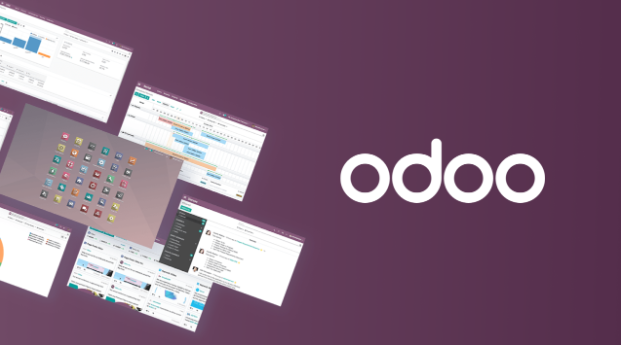
In recent years, AI has moved from a “nice-to-have” feature to a core driver of digital transformation. From automated customer service to predictive analytics, AI is reshaping how businesses operate at every level. At the same time, enterprise resource planning (ERP) systems are no longer just back-office tools. They are becoming intelligent platforms that actively support decision-making. This shift is particularly visible in platforms like Odoo, which is increasingly integrating AI capabilities into its ecosystem. As organizations adopt an AI-first mindset, the role of ERP is also being redefined.
So how exactly is Odoo evolving in this new landscape, and what does it mean for businesses?
From system of record to system of intelligence
Traditionally, ERP systems were designed as systems of record. Their main purpose was to centralize data across departments, including finance, sales, and operations. While this brought efficiency, decision-making still relied heavily on human interpretation.
Today, AI is changing that dynamic. With the integration of machine learning models and automation tools, ERP systems like Odoo are gradually transforming into “systems of intelligence.” Instead of simply storing data, they can now:
- Help to predict demand based on historical patterns
- Recommend next-best actions in sales pipelines
- Automate repetitive workflows such as invoice processing
- Help identify potential anomalies in financial transactions
This evolution enables businesses to move from reactive operations to proactive decision-making, a key characteristic of AI-first organizations.
Where AI is showing up in Odoo
Although Odoo is not an AI-native platform in the same way as some modern SaaS tools, it is steadily incorporating AI-driven features and enabling integrations with external AI services. Some of the most notable applications include:
- Intelligent automation: Routine tasks such as data entry, invoice matching, and email responses can now be partially automated using AI. This reduces manual workload and minimizes human error. For example, AI-powered OCR (Optical Character Recognition) can extract data from invoices and automatically populate accounting modules.
- Predictive analytics: AI models can be applied within Odoo environments. In Odoo, this can be applied to: Sales forecasting, inventory planning, and cash flow prediction. These insights help businesses make more informed decisions, especially in volatile markets.
- AI-enhanced customer interactions: With chatbot integrations and AI-driven CRM tools, businesses can improve customer engagement. Odoo’s CRM module can be extended with AI to prioritize leads, suggest responses, and even predict conversion likelihood.
- Smart recommendations: AI can suggest optimal pricing strategies, product bundles, or inventory restocking plans. This is particularly useful for eCommerce and retail businesses using Odoo.
The reality: AI in ERP still requires customization
Despite these advancements, it is important to recognize that AI in ERP is not entirely plug-and-play. Out-of-the-box Odoo implementations typically cover standard business processes. However, AI use cases often depend on specific business contexts, data quality, and operational goals. This means companies usually need to:
- Customize workflows
- Integrate third-party AI services
- Train models on their own data
- Ensure data consistency across modules
According to PowerGate Software, one of the biggest challenges is not the technology itself, but aligning AI capabilities with real business needs. “Many companies expect AI to deliver immediate results,” a representative from PowerGate Software notes. “In reality, the success of AI in ERP systems like Odoo depends heavily on how well the system is customized and how clean the underlying data is.”
AI-first ERP: A shift in implementation strategy
The rise of AI is also changing how ERP systems are implemented. Instead of deploying a fully fixed system, many organizations are now adopting a more flexible approach:
- Start with a core Odoo implementation
- Identify high-impact areas for AI (e.g., sales, operations)
- Gradually introduce AI-driven features
- Continuously refine based on real usage data
This iterative model aligns well with modern product development practices and reduces the risk of large-scale ERP failures. PowerGate Software has observed that businesses adopting this phased approach tend to achieve better outcomes. By combining ERP implementation with AI-driven enhancements, companies can balance stability with innovation.
Looking ahead: The future of Odoo in an AI-Driven World
As AI technologies continue to mature, the role of ERP systems will expand even further. In the case of Odoo, we can expect:
- Deeper native AI integrations
- More seamless connections with external AI platforms
- Improved user experiences through intelligent interfaces
- Greater automation across end-to-end business processes
However, technology alone is not enough. Businesses will need the right strategy, data infrastructure, and implementation partners to fully realize these benefits.
The convergence of AI and ERP is not just a technological trend. It represents a fundamental shift in how businesses operate and compete. Platforms like Odoo are evolving to support this shift, but their true potential can only be unlocked through thoughtful customization and strategic implementation. For companies looking to move toward an AI-first model, the question is no longer whether to adopt AI in ERP, but how to do it effectively.
Based on implementation experience from companies like PowerGate Software, we suggest that the future of ERP lies in this balance: leveraging the flexibility of platforms like Odoo while embedding intelligence through AI to create smarter, more adaptive business systems.
About PowerGate Software – AI-powered software product studio
- Website: https://powergatesoftware.com/
- Odoo development service: https://powergatesoftware.com/with-technologies/odoo-development/
- Email: [email protected]

Diesel engines have long been valued for their durability, torque, and fuel efficiency, but many owners eventually wonder about unlocking additional performance from their vehicles. Whether you’re looking to improve towing capacity, enhance acceleration, or simply experience what your diesel engine can truly deliver, understanding your options is the first step.
The good news is that diesel engines are particularly responsive to performance modifications due to their robust construction and the way they generate power. This article explores the various approaches to increasing horsepower in diesel engines, from simple bolt-on upgrades to more comprehensive modifications that work together to transform your vehicle’s capabilities.
Cold Air Intake Systems
Replacing the factory air intake system with a cold air intake allows your engine to breathe more efficiently by drawing in cooler, denser air. Cooler air contains more oxygen molecules per volume, which supports more complete fuel combustion in the cylinders.
Most diesel engines are restricted by their stock intake systems, which prioritize noise reduction and cost over maximum airflow. Installing an aftermarket cold air intake typically involves removing restrictive airboxes and routing intake piping to draw air from outside the engine bay where temperatures are lower.
Performance Exhaust Systems
The exhaust system plays a crucial role in how efficiently your diesel engine expels combustion gases and makes room for fresh air intake. Stock exhaust systems often feature smaller diameter piping and multiple sound-dampening components that create backpressure.
Reducing this backpressure through larger diameter pipes and high-flow mufflers allows exhaust gases to exit more quickly. When exhaust gases leave the cylinders faster, the engine can complete its combustion cycle more efficiently and produce additional power.
Electronic Tuning and ECM Programming
Modern diesel engines are controlled by sophisticated computer systems that manage fuel delivery, injection timing, and boost pressure among other parameters. The factory programming in these engine control modules is typically conservative to accommodate various fuel qualities, climates, and driving conditions.
Performance tuning adjusts these parameters to optimize power output while maintaining reliability within safe operating ranges. Reprogramming can yield substantial horsepower gains because diesel engines respond particularly well to increased fuel delivery when paired with adequate air supply.
Diesel Turbo Chargers
Turbo charger installation or upgrading represents one of the most effective methods for increasing diesel engine horsepower significantly. Moreover, diesel turbo chargers utilise gases from the exhaust to spin a turbine that, through the compression of incoming air, will force more oxygen into the combustion chambers than natural aspiration allows.
Many diesel engines come with factory turbochargers that can be replaced with larger or more efficient units designed for higher boost pressures. Professional installation services are available through diesel performance shops, specialized truck service centers, and some general automotive performance facilities that have technicians trained in forced induction systems.
Fuel System Upgrades
The fuel delivery system must keep pace with increased air supply when pursuing higher horsepower levels in diesel engines. Upgrading fuel injectors to units with higher flow rates ensures adequate fuel reaches the cylinders when you’ve added other performance modifications.
High-performance fuel pumps may also be necessary to maintain proper fuel pressure throughout the RPM range. These components work together to support complete combustion when your engine is moving significantly more air than stock configuration.
Intercooler Enhancement
When air is compressed by a turbocharger, it heats up substantially, which reduces its density and oxygen content. An intercooler cools this compressed air before it enters the engine, restoring density and providing more oxygen for combustion.
Upgrading to a larger or more efficient intercooler than the factory unit allows for lower intake air temperatures even under sustained high-boost conditions. Cooler intake temperatures also reduce the risk of engine knock and allow for more aggressive tuning parameters.
Injection Timing Adjustments
The precise moment when fuel is injected into the combustion chamber significantly affects how efficiently that fuel burns and how much power it produces. Advancing injection timing causes fuel to ignite earlier in the compression stroke, which can increase cylinder pressure and power output.
However, timing adjustments must be carefully calibrated because excessive advancement can cause rough running, increased engine noise, and higher combustion temperatures. Electronic control systems on modern diesels allow for precise timing adjustments through programming rather than mechanical modifications.
Supporting Modifications for Reliability
Increasing horsepower places additional stress on various engine components that may need reinforcement to maintain long-term reliability. Upgraded head studs or bolts help secure the cylinder head against higher combustion pressures from performance modifications.
Transmission upgrades often become necessary because factory transmissions may not be rated for the increased torque that diesel performance modifications produce. Enhanced cooling systems including larger radiators and auxiliary transmission coolers help manage the additional heat generated by higher power output.
Maintenance Considerations with Performance Upgrades
Engines producing significantly more power than stock require more attentive maintenance schedules to ensure longevity and continued performance. Oil changes may need to occur more frequently because higher boost pressures and combustion temperatures place greater demands on engine oil.
Monitoring boost levels, exhaust gas temperatures, and other vital parameters through aftermarket gauges helps you understand how modifications affect engine operation. Regular inspections of turbocharger components, intercooler connections, and fuel system elements catch potential issues before they result in failures or performance degradation.
Boost diesel engine horsepower by improving airflow (intake/exhaust), optimizing fuel delivery, and adding forced induction. Successful enhancement requires complementary modifications aligned with specific goals (towing, acceleration, responsiveness). Research, professional consultation, and proper maintenance ensure increased power while preserving reliability.

In a rapidly evolving digital world, businesses are under constant pressure to innovate, optimise, and future-proof their operations. Whether it’s adopting emerging technologies, strengthening IT infrastructure, or building customer-centric digital experiences, companies need more than just tools – they need a technology partner capable of driving sustainable success. This is where Techenhance emerges as a trusted and forward-thinking powerhouse in the global tech landscape.
As organisations accelerate their digital transformation journeys, Techenhance provides the expertise, frameworks, and strategic guidance required to navigate this complex terrain. Their ability to combine cutting-edge technology with a consultative approach makes them a preferred choice for businesses across industries.
What Makes Techenhance a Standout Digital Partner?
At its core, Techenhance is designed to elevate businesses by enhancing their technological capabilities. Rather than simply delivering solutions, they architect scalable digital ecosystems that evolve as the business grows. Their approach focuses on agility, efficiency, and long-term value — three essentials for modern enterprises.
With a robust portfolio of services and a team of seasoned technology consultants, Techenhance offers end-to-end digital transformation support that covers everything from ideation to execution and ongoing optimisation.
1. Comprehensive Digital Transformation Services
Digital transformation is more than adopting new technology — it’s about reshaping business processes, elevating experiences, and unlocking new opportunities. Techenhance helps companies redesign their operations using modern digital strategies that align with market shifts and customer expectations.
Their transformation services span across:
- Business process optimisation
- Enterprise automation
- Cloud and infrastructure modernisation
- Technology roadmap creation
- Data-driven decision frameworks
- Application modernisation and migration
This holistic approach ensures that every aspect of a business’s digital ecosystem works together to drive growth.
2. Expertise Across Modern Technologies
One of the biggest strengths of Techenhance lies in its technically diverse team. The company keeps pace with evolving technology trends, ensuring clients are never left behind. They deliver solutions across a wide spectrum of modern technologies including:
- Artificial Intelligence and Machine Learning
- Cloud computing
- DevOps and automation
- Data science and analytics
- IoT (Internet of Things)
- Full-stack application development
- Cybersecurity and compliance solutions
This broad expertise empowers businesses to adopt the right tools for their specific challenges, enabling smarter operations and improved scalability.
3. Custom Software and Product Development
In today’s competitive environment, cookie-cutter solutions are no longer enough. Businesses require highly tailored digital products that address unique operational needs and customer journeys.
Techenhance specialises in developing customised software solutions that integrate seamlessly with existing business workflows. Their product development lifecycle emphasises innovation, usability, and performance. From concept creation to product deployment and maintenance, every stage is handled with meticulous attention to quality and user experience.
4. A Customer-Centric Approach
Technology alone is not enough — understanding the client’s business landscape is equally vital. Techenhance excels in combining technical knowledge with a deep understanding of industry-specific needs.
They follow a consultative model that includes:
- Detailed need analysis
- Business use-case mapping
- ROI-driven planning
- Transparent communication
- Continuous improvement cycles
This ensures that solutions are not only technically strong but also aligned with strategic business goals.
Whether it’s a startup aiming to build its first product or an enterprise seeking to modernise legacy systems, Techenhance adapts its approach to deliver maximum value.
5. Delivering End-to-End IT Management
Many organisations struggle with maintaining secure, scalable, and efficient IT operations. Techenhance offers complete IT management and support services that ensure seamless day-to-day functioning.
Their IT services include:
- Infrastructure monitoring
- Network management
- Security and compliance
- Cloud optimisation
- Disaster recovery setup
- 24/7 IT support services
This allows businesses to focus on core objectives while relying on Techenhance to maintain operational stability.
6. Industry-Focused Technology Solutions
Digital transformation isn’t one-size-fits-all. Different industries have unique challenges, regulatory requirements, and technological needs. Techenhance’s industry-specific expertise helps companies implement customised digital solutions that fit their sector.
They work across sectors such as:
- Financial services
- Healthcare
- Retail and eCommerce
- Logistics and transportation
- Real estate
- Manufacturing
- Education and e-learning
By aligning technology with industry demands, Techenhance ensures faster adoption, reduced risk, and greater long-term impact.
7. Building Scalable Digital Experiences
Modern customers value seamless, intuitive digital interactions. Techenhance helps businesses create customer-centric experiences across mobile apps, websites, and digital platforms.
Their experience design services include:
- UX/UI design
- Customer journey optimisation
- Prototyping and testing
- Performance and usability enhancement
With user experience becoming a key differentiator, Techenhance’s strategic design capabilities help businesses stand out in a crowded marketplace.
8. Strong Focus on Innovation and Future-Readiness
The digital world changes fast — and businesses must innovate to stay relevant. Techenhance invests heavily in emerging technologies and research to ensure clients are always one step ahead.
They help organisations integrate:
- Predictive analytics
- Automation tools
- Machine learning algorithms
- Cloud-native architectures
- Modern development lifecycles
- Real-time monitoring dashboards
By future-proofing operations, Techenhance enables businesses to pivot quickly as market demands shift.
9. Why Businesses Trust Techenhance
Companies partnering with Techenhance benefit from:
Proven technical expertise
Their experienced team delivers reliable, high-performance digital solutions.
Tailored strategies
Solutions are designed based on business goals, not generic templates.
Transparent processes
Clients enjoy full visibility at every project stage.
Commitment to long-term value
Support extends beyond deployment, ensuring ongoing optimisation.
Competitive advantage
By leveraging advanced technologies, businesses gain an edge in their industry.
From startups to established enterprises, Techenhance empowers organisations to unlock new digital opportunities and scale confidently.
Final Thoughts
Digital transformation is no longer optional — it’s a strategic necessity. As technology becomes the backbone of modern business, companies must adopt innovative, scalable solutions to stay competitive. Techenhance stands out as a reliable partner that brings together expertise, innovation, and customer-centricity to deliver exceptional digital outcomes.
Whether you’re aiming to build a new product, modernise existing technology, strengthen your IT infrastructure, or adopt advanced digital tools, Techenhance provides the end-to-end support needed to succeed.
For businesses planning their next phase of digital evolution, partnering with a trusted technology expert like Techenhance can make all the difference.

Why Local Moving Services Are Worth Considering for Your Next Move

Cazino și divertisment digital: rolul limitelor și al transparenței

How Traffic Safety Cones Enhance Visibility and Hazard Awareness

Comparing Metro Silver Markets and What Drives Their Daily Rates
