
Health
3 Benefits Of Family Dentistry For Parents With Busy Schedules

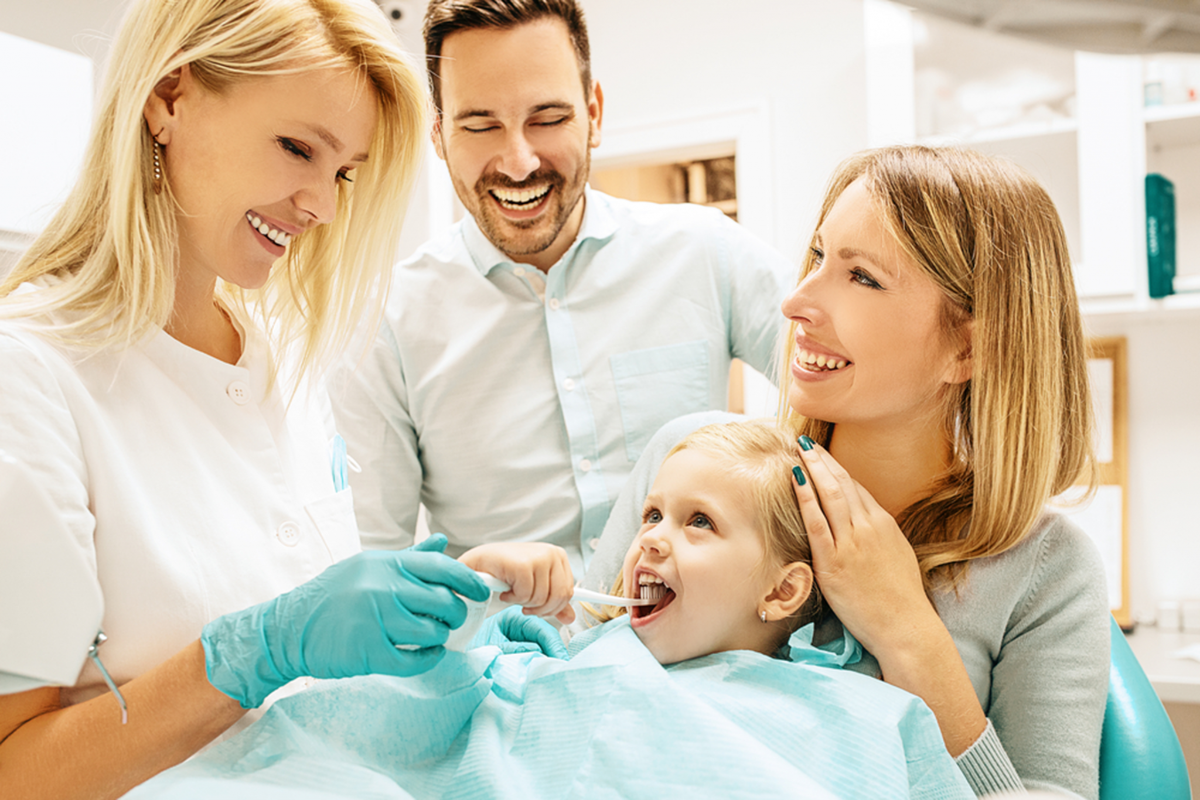
Life moves fast when you are raising children and working full-time. Dental visits often fall to the bottom of your list. Then small problems grow. Pain shows up. Missed school and missed work follow. You deserve care that fits your real life, not a perfect calendar. A family dentist can see you and your children in one place. That saves time, cuts stress, and keeps everyone healthier. It also gives your children one trusted adult from toddler years through the teen years. That comfort reduces fear and makes visits easier. If you already have a dentist in Artesia, you may not know all the ways family dentistry can help you. This blog will show three clear benefits for parents with packed days. You will see how one smart choice today can protect your time, your money, and your family’s teeth.
1. You save time with one home for care
Your time is already cut into pieces. Work. School. Practices. Errands. Dental care should not add confusion.
A family dentist treats patients of every age. You can plan cleanings and exams for you and your children in one visit. That means one drive. One waiting room. One set of forms.
Here is how that helps you protect your time.
- One office handles everyone. You skip calling different clinics for each child.
- Back-to-back visits reduce missed work and school.
- Early morning or late afternoon blocks fit real life.
The Centers for Disease Control and Prevention explains that regular checkups catch decay early and cut the chance of painful infections.
A family office also keeps one record for your household. That helps the team track patterns. Cavities in one child can warn about habits that may affect a sibling. Then you can adjust snacks and brushing for everyone at once.
2. You lower stress for you and your children
Many parents feel a knot in the stomach when they think about the dentist. Children feel it too. Repeating that fear at different clinics for different family members only makes it stronger.
A family dentist gives your household one steady team. Your children see the same faces. They hear the same calm voice. Trust grows with each visit.
That trust matters. The National Institute of Dental and Craniofacial Research notes that fear and delayed care lead to worse pain and more complex treatment.
In a family office, you gain three emotional benefits.
- Your child can sit in the room while you have a simple cleaning. They watch you stay calm.
- The dentist learns your child’s triggers and adjusts visits to match.
- You feel heard because the team knows your story and your limits on time and money.
This kind of steady care turns dental visits from a crisis event into a routine part of life. That shift protects your mental energy. It also keeps your child from linking the dentist with only pain and emergencies.
3. You protect your budget with steady preventive care
Many parents skip cleanings to save money. Later, they face a large bill for a crown or root canal. That pattern drains savings and raises stress.
Family dentistry focuses on prevention. Regular cleanings, sealants, and simple fillings cost less than emergency care. One office that knows your budget can also help you plan treatment over time.
The table below shows how early routine care compares with delayed emergency care for a typical household. Numbers are rough examples. Your costs will differ by insurance and location.
| Type of visit | Typical timing | Example cost per person | Impact on work and school
|
|---|---|---|---|
| Routine exam and cleaning | Every 6 months | Low | Planned short time away |
| Sealants for children’s molars | When molars come in | Low to moderate | Short visit. Helps prevent future cavities. |
| Small filling | Caught early at checkup | Moderate | One visit. Pain is usually mild or none. |
| Root canal and crown | After long delay | High | Multiple visits. Missed work and missed school. |
| Tooth removal and replacement | After severe decay | Very high | More visits. Eating and speech are affected. |
When you use one family office, the staff can remind you about upcoming visits for everyone. They can also group simple treatments in one block. That cuts repeat setup fees and extra drives.
Steady prevention gives you three clear gains.
- Fewer surprises. You can plan costs instead of facing large urgent bills.
- Less pain. Your children avoid many infections and toothaches.
- More control. You choose timing for care rather than rushing during a crisis.
How to make family dentistry work for your schedule
To get these benefits, you need a plan that fits your real life. You can use three simple steps.
- Pick one office that welcomes every age and asks about your schedule limits.
- Book paired visits. Link your cleaning with your child’s cleaning.
- Set clear reminders. Use your phone, a wall calendar, and office text alerts.
During each visit, ask what to expect over the next year. Cleanings, X-rays, and possible orthodontic checks. Put those on your calendar before you leave the office. Quick planning now keeps you from scrambling later.
Take the next small step
Your schedule will not slow down on its own. Dental problems will not wait. One choice can remove a weight from your mind.
If you already see a family dentist, talk about grouping visits and planning prevention. If you do not, look for an office that treats all ages, offers clear prices, and respects your time limits.
Your time matters. Your children’s comfort matters. Your health matters. Family dentistry helps you guard all three with less chaos and more control.
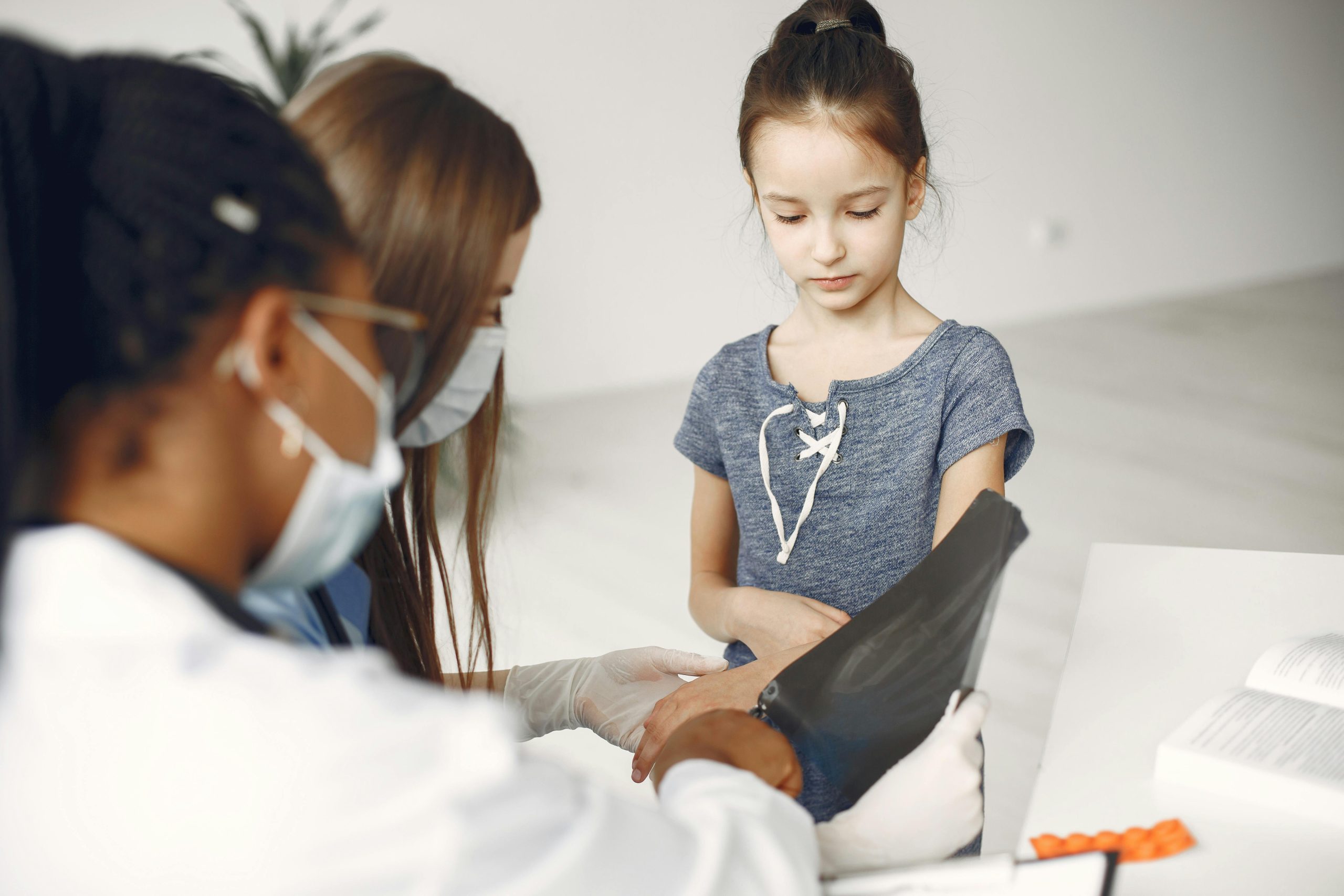
Healthcare has evolved significantly over the years, shifting from a one-size-fits-all approach to more personalized and patient-centered methods. One of the most important developments in modern medicine is individualized patient care. This approach focuses on tailoring treatments, communication, and support based on each patient’s unique needs, preferences, and medical history.
Individualized patient care is not limited to specific conditions or age groups—it benefits everyone. From improving treatment outcomes to enhancing patient satisfaction, this approach plays a crucial role in creating a more effective and compassionate healthcare system.
Understanding Individualized Patient Care
Individualized patient care refers to a healthcare approach where medical decisions and treatments are customized for each individual. Instead of applying standard protocols to all patients, healthcare providers consider factors such as lifestyle, genetics, personal preferences, and existing health conditions.
This method recognizes that no two patients are the same. By taking a more personalized approach, healthcare professionals can develop strategies that align closely with each patient’s unique situation, leading to better overall care.
Improved Treatment Outcomes
One of the most significant benefits of individualized patient care is improved treatment effectiveness. When care plans are tailored to a patient’s specific condition and circumstances, the likelihood of successful outcomes increases.
For example, a treatment that works well for one person may not be as effective for another due to differences in health history or lifestyle. Personalized care ensures that these differences are taken into account, resulting in more accurate diagnoses and targeted treatments. This approach minimizes trial and error, allowing patients to experience faster and more reliable recovery.
Enhanced Patient Engagement
Patients are more likely to be engaged in their healthcare when they feel heard and understood. Individualized patient care encourages open communication between patients and healthcare providers, fostering a sense of trust and collaboration.
When patients are actively involved in decision-making, they are more likely to follow treatment plans and maintain healthy habits. This increased engagement leads to better adherence to medications, therapies, and lifestyle recommendations, ultimately improving long-term health outcomes.
Better Management of Chronic Conditions
Chronic conditions such as diabetes, heart disease, and asthma require ongoing care and monitoring. Individualized patient care is particularly beneficial in managing these conditions, as it allows healthcare providers to adjust treatment plans based on the patient’s changing needs.
By considering factors like daily routines, dietary habits, and personal challenges, providers can create realistic and sustainable management plans. This personalized approach helps patients maintain better control over their conditions and reduces the risk of complications.
Increased Comfort and Satisfaction
Healthcare experiences can often feel impersonal, especially in busy clinical settings. Individualized patient care changes this by prioritizing the patient’s comfort and preferences.
Simple adjustments, such as accommodating communication styles, respecting cultural values, or addressing specific concerns, can make a significant difference in how patients perceive their care. Feeling valued and respected enhances overall satisfaction and reduces anxiety during medical visits.
Organizations such as Medical First often highlight the importance of creating patient-centered environments that focus on individual needs rather than standardized processes.
Reduced Risk of Errors
Personalized care can also help reduce the risk of medical errors. By thoroughly understanding a patient’s medical history, allergies, and current medications, healthcare providers can avoid potential complications.
This attention to detail ensures that treatments are safe and appropriate for each individual. It also helps prevent issues such as adverse drug interactions or misdiagnoses, which can have serious consequences.
Holistic Approach to Health
Individualized patient care goes beyond treating symptoms—it considers the whole person. This includes physical health, mental well-being, emotional needs, and social factors.
A holistic approach allows healthcare providers to identify underlying issues that may affect a patient’s health. For instance, stress, lifestyle habits, or environmental factors can influence recovery and overall wellness. Addressing these elements leads to more comprehensive care and long-lasting results.
Flexibility and Adaptability
Health conditions and personal circumstances can change over time. Individualized patient care offers the flexibility to adapt treatment plans as needed.
Whether it’s adjusting medication, modifying therapy, or incorporating new health goals, this approach ensures that care remains relevant and effective. Patients benefit from continuous support that evolves with their needs, rather than rigid plans that may no longer be suitable.
Strengthening the Patient-Provider Relationship
A strong relationship between patients and healthcare providers is essential for effective care. Individualized patient care fosters this connection by encouraging trust, respect, and open communication.
When patients feel comfortable discussing their concerns and preferences, providers gain valuable insights that improve decision-making. This collaborative relationship enhances the overall healthcare experience and contributes to better outcomes.
Conclusion
Individualized patient care represents a meaningful shift toward more personalized, effective, and compassionate healthcare. By focusing on the unique needs of each patient, this approach improves treatment outcomes, enhances engagement, and ensures a higher level of satisfaction.
From managing chronic conditions to reducing errors and promoting holistic well-being, the benefits of individualized care extend to everyone. It allows healthcare providers to deliver more precise and adaptable treatments while empowering patients to take an active role in their health.
As healthcare continues to evolve, individualized patient care stands out as a key factor in achieving better results and creating a more patient-centered system. By embracing this approach, both patients and providers can work together toward healthier, more fulfilling lives.
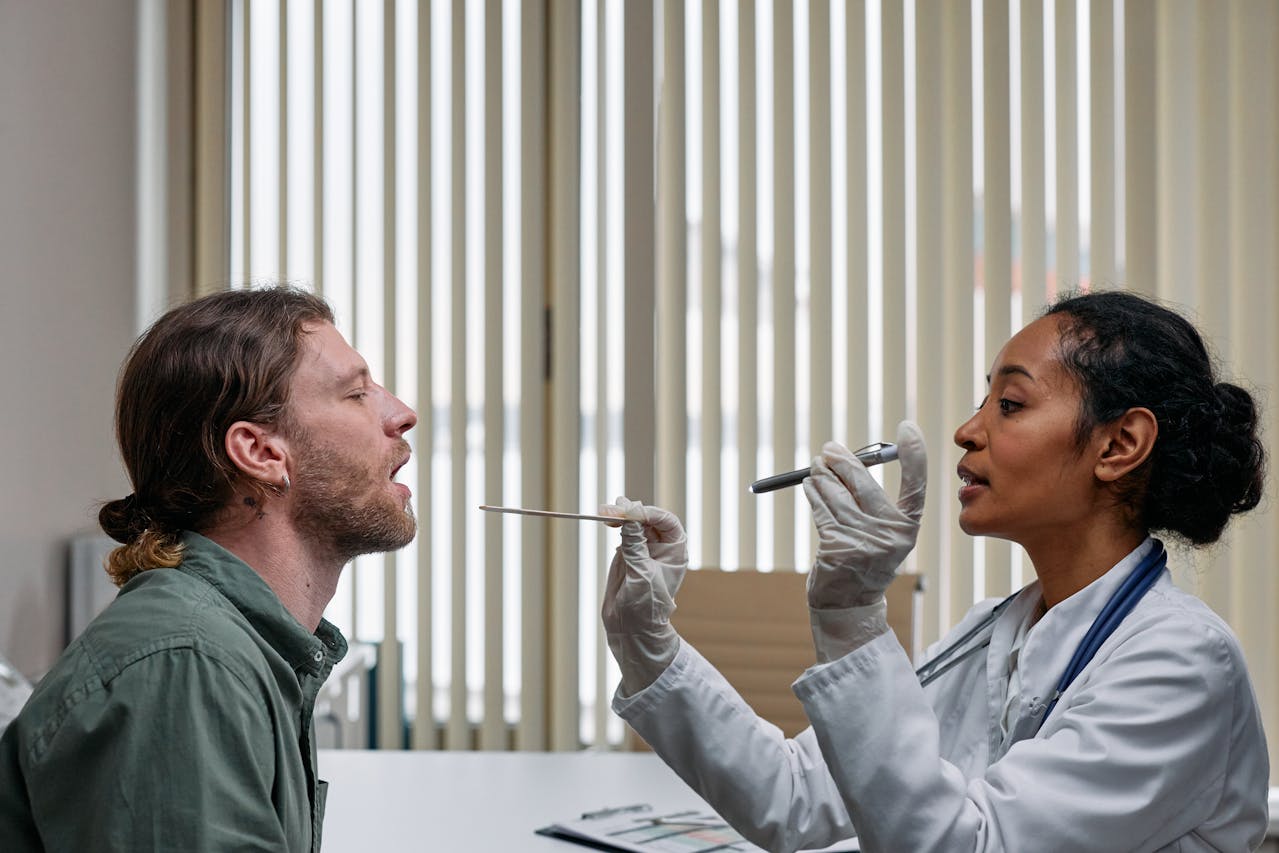
Healthcare can feel overwhelming, especially when a doctor recommends seeing a specialist for the first time. Most people grow up familiar with the idea of a family doctor or general practitioner, but the reality is that modern medicine covers a wide range of conditions that require focused expertise, dedicated equipment, and years of additional training beyond general practice.
Whether it is a concern about the heart, the lungs, the skin, or something as specific as identifying a fungal infection through laboratory testing, there is a specialist trained specifically for that area. This article walks through some of the most common types of specialist care that patients encounter, what each one involves, and where these services are generally found. The goal is simply to give patients a clearer picture of what to expect so that a referral feels less like an unknown and more like a logical step toward better health.
Cardiology
Cardiology is the branch of medicine focused on the heart and blood vessels, and cardiologists are consulted when a patient shows signs of heart disease, irregular heartbeat, high blood pressure complications, or other cardiovascular concerns. A cardiologist may order diagnostic tests, prescribe medications, or coordinate with surgeons if an interventional procedure is needed.
Cardiology services are available in general hospitals, specialized heart centers, and outpatient clinics. Because heart conditions can develop gradually without obvious symptoms, cardiology care is often important even when a patient feels relatively well.
Orthopedics
Orthopedic specialists focus on the musculoskeletal system, which includes bones, joints, muscles, tendons, and ligaments. Patients may be referred to orthopedics for conditions like fractures, arthritis, sports injuries, spinal issues, or persistent joint pain that does not respond to conservative treatment.
Orthopedic care is offered in general hospitals, orthopedic-specific clinics, rehabilitation centers, and sports medicine facilities. Because musculoskeletal issues can affect mobility and quality of daily life, orthopedic evaluation is often recommended sooner rather than later to prevent further complications.
Oral Surgery
Oral surgery is a specialty that handles procedures involving the mouth, jaw, teeth, and surrounding facial structures that go beyond what a general dentist is trained to perform. Patients are typically referred to an oral surgeon for things like impacted wisdom teeth, jaw misalignment, dental implant placement, or injuries affecting the face and mouth.
Oral surgeons work in private oral surgery clinics, such as Mill Creek Dental, as well as dental hospitals and within the dental departments of larger medical centers. Understanding what an oral surgeon does helps patients feel less anxious when a referral is made, since the specialty is well-established and handles a wide range of concerns with precision and care.
Pulmonology
Pulmonology is the specialty dedicated to the respiratory system, particularly the lungs and airways. Pulmonologists are involved in the care of patients with conditions like asthma, chronic obstructive pulmonary disease, sleep apnea, pulmonary fibrosis, or recurring respiratory infections.
This type of specialist care is available through hospital-based respiratory medicine departments, outpatient pulmonology clinics, and sleep study centers. Respiratory health is closely connected to overall well-being, so pulmonology referrals are common when breathing difficulties persist or worsen over time.
Dermatology
Dermatology covers conditions affecting the skin, hair, and nails, and dermatologists are trained to diagnose and manage both cosmetic and medical skin concerns. Patients visit dermatologists for issues ranging from chronic conditions like eczema and psoriasis to suspicious skin growths that need to be evaluated for possible malignancy.
Dermatology services are widely available in private practices, hospital outpatient departments, and specialized skin clinics. Skin conditions are sometimes the first visible sign of internal health issues, which is one reason dermatology plays a meaningful role in broader health monitoring.
Endocrinology
Endocrinology is the field that deals with hormones and the glands that produce them, covering conditions like diabetes, thyroid disorders, adrenal problems, and reproductive hormone imbalances. Patients are referred to an endocrinologist when their hormone levels are abnormal or when a glandular condition needs long-term management beyond what a general practitioner can provide.
Endocrinology departments are found in hospitals, diabetes care centers, and specialty outpatient clinics. Because hormones affect nearly every system in the body, endocrine disorders can have wide-ranging effects that make specialist involvement particularly valuable.
Neurology
Neurology addresses disorders of the brain, spinal cord, nerves, and muscles, and neurologists are consulted for conditions such as epilepsy, migraines, multiple sclerosis, Parkinson’s disease, and stroke. A neurological evaluation typically involves a detailed review of symptoms, physical and cognitive assessments, and imaging or nerve conduction studies when needed.
Neurology services are available in hospital neuroscience departments, outpatient neurology clinics, and academic medical centers. Because neurological conditions can be complex and progressive, early specialist involvement often makes a significant difference in how well a condition is managed over time.
Gastroenterology
Gastroenterology covers the digestive system, which includes the esophagus, stomach, intestines, liver, pancreas, and gallbladder. Gastroenterologists manage conditions such as irritable bowel syndrome, inflammatory bowel disease, acid reflux, liver disease, and colorectal concerns that require diagnostic procedures like endoscopy or colonoscopy.
Care is provided in hospital gastroenterology units, digestive health clinics, and outpatient endoscopy centers. Digestive health often goes unaddressed for longer than it should because symptoms are sometimes dismissed as minor, but gastroenterology referrals can catch serious conditions early, when outcomes are generally better.
Fungal Infection Diagnostic Lab Testing
Fungal infection diagnostic lab testing is a service that identifies whether a patient has a fungal infection and, if so, what type it is. This kind of testing matters because fungal infections can mimic other conditions, and treating them effectively depends on accurate identification of the specific organism involved.
Laboratories, such as Lab Pros, are typically found within independent medical diagnostic centers, hospital laboratory departments, and larger clinics that handle infectious disease cases. Patients are usually referred for this type of testing by their primary care doctor or an infectious disease specialist when symptoms suggest a fungal cause or when standard treatments have not produced results.
Infectious Disease Specialists
Infectious disease specialists focus on diagnosing and managing infections that are complex, unusual, or not responding to standard treatment, including bacterial, viral, parasitic, and fungal conditions. They are often called upon in hospital settings when a patient has a persistent or unidentified infection, or when a patient is immunocompromised and at higher risk for serious complications.
Infectious disease services are most commonly based in hospital departments, though some outpatient infectious disease clinics exist in larger cities and academic medical centers. Their involvement is especially important in cases where the source of infection is unclear, because identifying the correct cause is what determines whether the treatment plan will actually work.
Specialist care is a normal and often necessary part of managing health across a lifetime. Most people will be referred to at least one specialist at some point, and understanding what different specialists do makes those experiences far less intimidating. From cardiology and neurology to oral surgery and fungal infection diagnostic lab testing, each specialty exists because certain conditions genuinely require a deeper level of knowledge and tools than general medicine can offer.
Being informed about the types of care available is one of the most practical things a patient can do for themselves. When a referral comes, it is not a cause for alarm but rather a sign that the healthcare system is working the way it is supposed to, connecting patients with the right expertise at the right time.
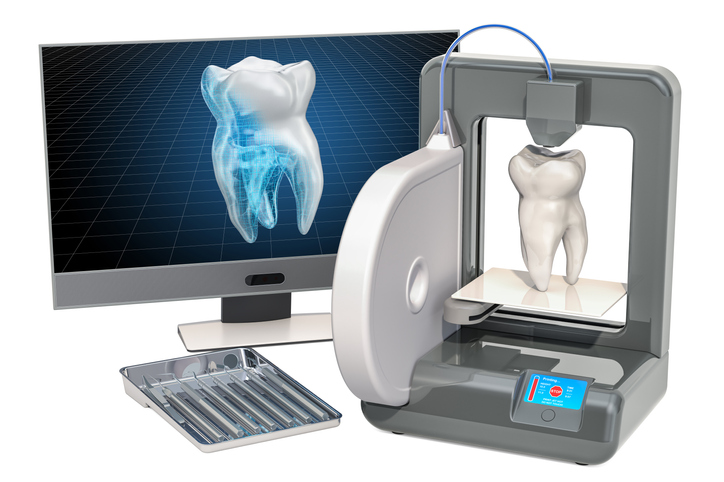
Digital tools are changing how you see the dentist and how you feel in the chair. You now book visits online, fill out forms on a phone, and view X-rays on a screen beside you. This gives you control, clear choices, and fewer surprises. It also cuts wait times. Today, Family dentistry in Applewood Mississauga uses digital records, photos, and scans to plan care that fits your mouth and your schedule. You see what the dentist sees. You can ask better questions. You get clear steps for what comes next. This shift is not about gadgets. It is about trust, comfort, and respect for your time. Digital tools reduce repeat visits, shorten procedures, and help catch small problems before they grow. You walk out feeling informed, heard, and ready for the next visit.
How Digital Tools Change Your Visit From The Start
Your visit now starts long before you sit in the chair. You feel the change from the first click.
- You book and change visits online without phone calls.
- You complete health forms on a phone or computer at home.
- You get reminders by text or email, so you forget less often.
This reduces waiting room time and stress. You arrive with less pressure. Your dental team has your history ready. They can focus on you instead of the paper.
The Centers for Disease Control and Prevention explains how electronic records support safer care and fewer mistakes. You can read more about that in the CDC guide on health data and quality.
Seeing Your Mouth In Real Time
In the chair, digital tools let you see clear pictures of your own teeth and gums. You no longer guess what a problem looks like. You see it on a screen.
- Digital X-rays use less radiation than film X-rays.
- Intraoral cameras show close-up images of cracks, wear, and plaque.
- 3D scans map your teeth for crowns, aligners, and mouth guards.
This makes it easier to understand why a dentist suggests a filling, crown, or cleaning plan. You can ask direct questions. You can weigh choices with facts, not fear.
Faster Visits With Less Discomfort
Digital tools also change how long you spend in the chair and how your mouth feels during and after care.
- Digital impressions replace trays filled with goo in many cases.
- CAD CAM systems can create some crowns in one visit.
- Digital planning helps shorten orthodontic visits.
This saves time away from work and school. It also cuts the number of injections and repeat visits for the same tooth. The result is less disruption in your life.
Comparing Traditional Care And Digital Care
| Aspect of visit | Traditional method | Digital method | Impact on you
|
|---|---|---|---|
| Booking | Phone calls during office hours | Online booking and text reminders | Less time on hold. Fewer missed visits. |
| Forms | Paper forms in the waiting room | Secure forms at home or on a tablet | Shorter waits. More privacy. |
| X rays | Film images on small slides | Digital images on a screen | Clear view of problems. Lower radiation. |
| Impressions | Mouth trays with putty | 3D digital scans | Less gagging. Faster results. |
| Treatment planning | Hand drawn notes and models | 3D models and photos | Simple steps. Easy to follow. |
| Records | Paper charts in folders | Electronic health records | Better tracking. Safer sharing with other providers. |
Safer Care And Stronger Prevention
Digital records help your dental team track changes over time. They can compare X-rays, photos, and notes from visit to visit. They can spot decay, bone loss, or wear early.
This allows three key gains for you.
- Early treatment of small problems before they cause pain.
- Better tracking of gum health and bone levels.
- Clear links between your mouth health and your body health.
The National Institute of Dental and Craniofacial Research shares evidence on how prevention and early care protect long-term health.
Support For Children, Seniors, And Families
Digital tools help people at every age stage.
For children, pictures on a screen can turn fear into curiosity. A child can see a cavity as a small dark spot. That can make brushing feel more urgent and more real.
For adults with busy jobs, online forms and shorter visits reduce stress. You can plan care around work and family.
For seniors, digital records support safer care when you take many medicines or see more than one provider. Your dentist can share records with doctors when needed. This reduces mix-ups.
Your Role In A Digital Dental Visit
Digital tools work best when you take an active role. You can use them to speak up, not to stay silent.
During your visit, you can:
- Ask to see your X-rays and photos.
- Ask for a clear summary of what the images show.
- Request written steps for home care and next visits.
After your visit, you can:
- Use patient portals to review notes and future dates.
- Send follow-up questions through secure messages if offered.
- Store visit reminders on your phone or calendar.
Looking Ahead To Your Next Appointment
Digital technology is not a trend. It is now part of routine dental care. It changes how you book, how you sit in the chair, and how you feel when you leave.
You gain three powerful benefits.
- More control over your time and choices.
- Clearer understanding of your mouth health.
- Stronger trust through honest pictures and records.
At your next visit, you can notice each digital step. You can ask how it protects you and your family. You deserve care that respects your time, your body, and your voice. Digital tools help make that real.

What Every Casino Player Needs to Know About Gambling Taxes in 2026

Effects Of The Seasonal Vegetation On Landscape Aesthetic
Безопасность и лицензии онлайн казино Пинко
Виртуальные Реальности в Pinco Casino
Почему стоит попробовать 1win казино: преимущества онлайн

Fawkes Market – The Leading UK Darkweb Market

Why Preventive Dentistry Provides Lasting Value For Families

The Role Of Veterinary Hospitals In Preventing Zoonotic Diseases

Safe and Effective IV Therapy The Woodlands Explained

Why Digital Technology Is Transforming The Dental Patient Experience
-

 Business6 days ago
The Value of a Calm Process: Why Selling Jewelry Should Never Feel Rushed
-

 Business1 week ago
How Digital Property Platforms Are Transforming Home Buying in Thailand
-

 All1 week ago
The Science Behind Fused Quartz and Its Unique Characteristics
-
All6 days ago
Виртуальные Реальности в Pinco Casino
-
All6 days ago
Почему стоит попробовать 1win казино: преимущества онлайн
-
All6 days ago
Безопасность и лицензии онлайн казино Пинко
-
 News3 days ago
Effects Of The Seasonal Vegetation On Landscape Aesthetic
-
 All5 hours ago
What Every Casino Player Needs to Know About Gambling Taxes in 2026