
Travel
Winter Destinations Europe


During the winter season in Europe, you can enjoy a number of different activities. You can visit the many different countries of the continent. You can visit places such as Poland, Denmark, Belgium, Sweden and Finland.
Best time to Visit Switzerland
Regardless of whether you’re planning a vacation or an overnight business trip to Switzerland, it’s important to know the best time to visit. With four distinct seasons, you’ll want to know when the weather is at its hottest and coldest.
The best time to visit Switzerland during winter is December. Although you’ll have to pack warm clothing, you’ll also get to experience a bit of the snow and ice. It’s also a great time to visit Swiss towns, such as Zermatt.
January is also a great time to visit Switzerland. It’s a bit cooler, but the prices are still reasonable and the crowds aren’t as large as during summer. It’s also a good time to take advantage of discounted hotel rates.
March is another good time to visit Switzerland. It’s not as busy as May, but you’ll still get to enjoy the warmer weather. You’ll also get to see the flowers blooming in the Swiss Alps. You’ll also get to see the Lucerne Music Festival, which is held from March through June.
During the autumn, you’ll see a lot of activity in the vineyards. You’ll also get to see fall colors in the mountains. This is also a good time to visit the Rhine Falls.
Travel Describe – Search Flights, Hotels, Travel Guides, News & Tips
Best Time to Visit Poland
Whether you’re visiting Poland for skiing, hiking, or simply taking a vacation, there are some important things you need to know before you plan your trip. For starters, Poland is a budget friendly country. Hotels are very affordable, and the country has a wide variety of tourist-friendly places.
Winter in Poland is characterized by frequent snowfall. While Poland has a temperate climate, temperatures can drop below freezing in the east. It’s best to bring a warm coat, hat, and winter scarf with you.
Spring in Poland is a pleasant time to visit, with warmer temperatures. In late April and May, temperatures are high enough to enjoy outdoor activities such as hiking, skiing, or biking. But, if you plan on visiting Poland in spring, make sure you bring a rain jacket and waterproof hiking shoes.
Summer in Poland is a popular time to visit, with the country’s beaches getting busy during July and August. It’s a great time to enjoy a vacation along the Baltic coast. However, it can be hot and rainy.
Fall in Poland is also a great time to visit. While it’s not as warm as spring, autumn is still very pleasant. The first month of September is considered the golden Polish autumn. It’s a great time to visit Bialystok and Poznan.
Best Time to Visit England
During the winter months, England offers moderate temperatures that can make it easy to enjoy the outdoors. This is a popular time of year to visit England and the country is full of things to do.
Winter weather can vary widely from one area to the next. For example, the northern regions of the country can experience cold and windy winters. On the other hand, the southern regions can have warm and sunny days. The weather in England varies according to the region.
The UK has four distinct nations, with each country having its own quirks and seasonal activities. The best time to visit England will depend on the region you are visiting. The north of England has a more northern climate with shorter winters. However, the south of England has a slightly warmer climate and longer summer days.
The UK is home to many festivals and events throughout the year. These festivals include the Glastonbury music festival, which takes place in Somerset and attracts millions of fans. It is also home to the BFI Film Festival, which has over 300 films and documentaries to watch.
Best Time to Visit Luxembourg
Whether you’re looking for an activity filled holiday or an adventurous getaway, Luxembourg is a great choice. With its mild climate, it’s a great destination for outdoor activities and skiing. Whether you’re planning to visit during the spring or the autumn, it’s worth researching the local weather to ensure you’re prepared for your trip.
The average monthly high temperature in Luxembourg is 57degF. However, the weather is very variable and temperatures can fluctuate from day to day. During the winter months, temperatures can fall to -1degC. The weather in Luxembourg can be windy, so it’s important to keep warm clothing and a raincoat on hand.
During the winter season, it’s common for snow to cover the rooftops. Depending on where you’re located in the country, it’s possible to enjoy ice skating on one of the many lakes.
Winter is also the time to enjoy the annual Winter Lights Festival, which begins in November and extends through January. This festival features street entertainment, exhibitions and concerts.
During the summer, Luxembourg is a great destination for outdoor activities like hiking, biking and swimming. However, the country can get crowded during this time. It’s a good idea to plan your trip ahead of time and take into account that hotels and flights are generally more expensive in this season.
Best Time to Visit Norway
Whether you are a ski enthusiast or simply looking for a good time, Norway has something for you. You can choose to go skiing, ice fishing, hiking or even relax on one of the country’s beautiful beaches.
If you are planning a trip to Norway, make sure you check the weather forecast in advance. This way, you will be able to plan your trip around the best weather conditions.
It is also recommended that you carry a warm jacket and a waterproof pack. This will help you stay dry, especially if you are hiking or skiing in the mountains. You can also pack a first aid kit.
During winter, you can experience the aurora borealis. This is a spectacular sight and a must-see for all those who love the outdoors. The Northern Lights can be seen in several places in Norway, including Tromso, and Svalbard.
When it comes to safeguarding your valuable belongings during your absence, consider the secure storage solutions provided by climate controlled storage Edmonton. These spaces ensure a safe and protected environment for your items, granting you peace of mind while you’re away.
In spring, Norway starts to wake up from its winter slumber. It is a great time to visit Norway’s famous fjords and waterfalls. You will also find a lot of greenery everywhere.
Best Time to Visit Hungary
Regardless of whether you are visiting Hungary for the first time or you are planning a second trip, there are certain things that you must consider to ensure that you have a memorable experience. The weather is one of these things. Although Hungary is known for its warm summers, it also experiences cold winters. This means that you must be prepared to dress for changing weather conditions.
You should also consider the amount of rain that Hungary receives. If you are planning to visit Hungary in the winter, you should bring along a good raincoat. Although Hungary receives a lot of rain in the winter, you will still be able to enjoy the country.
The best time to visit Hungary in the winter is mid-December. This is when you will be able to find a number of Christmas markets, which will be filled with festive goodies. Also, if you are interested in a night time cruise, this is the perfect time to visit.
Another reason to visit Hungary in the winter is that it has a number of thermal baths. Among these are the Aqua Palace of Gyula and the Castle Bath.
Best Time to Visit Denmark
Choosing the best time to visit Denmark is important. Despite its cool winters, the country offers a range of festivals and events, which make it a great place to visit. While you’re there, you’ll get to experience its rich history, which makes it a destination worth visiting.
If you want to see the best festivals in Denmark, you should head there in August. August is also a great month for outdoor activities. You can enjoy rides and events at Faelleparken and Tivoli Gardens. You’ll also have a chance to visit the Viking Castle in Odense.
Spring is a good time to visit Denmark, although you can expect to encounter occasional rain and wind. There’s also a chance to see some cherry blossoms. The temperatures aren’t too cold, and the days are long.
Spring in Denmark starts out very cold, but it warms up gradually. Spring is a great time to visit Denmark, because you can avoid the crowds. Typically, the cheapest airfares are available, and you’ll have good weather.
You’ll want to pack a light jacket for your visit. In Copenhagen, the daily lows can reach -1°C. The night air can cool down to 7-13°C.
Best Time to Visit Belgium
Whether you are looking for great weather or great food, Belgium has it all. The country is not only known for its laid-back vibes but also for its delicious food and its lovely light decorations.
Belgium is a perfect destination for a winter getaway. The country boasts moderate temperatures, which is great for outdoor activities such as skiing. The average daily temperature ranges from 17 to 22 degrees Celsius. The country is home to a number of winter festivals and markets, and offers warm, cosy restaurant meals.
While Belgium may be cold during the winter, the spring season is pleasant and sunny. It is a good time to see the country’s beautiful countryside and blossoming flowers.
The country is also famous for its carnivals and festivals. The Christmas market is a particularly fun one to attend, and a great time to explore the country’s many picturesque towns and canals. Some of the most impressive New Year’s fireworks displays are in Brussels and Antwerp.
The best time to visit Belgium is during the off season, which means that you’ll find better prices, fewer tourists, and fewer crowds. The summer months are also a great time to visit, but temperatures can get quite hot. In addition, the autumn season is the best time to see the foliage. The leaves change colors, and it’s a great time to go mushroom hunting.
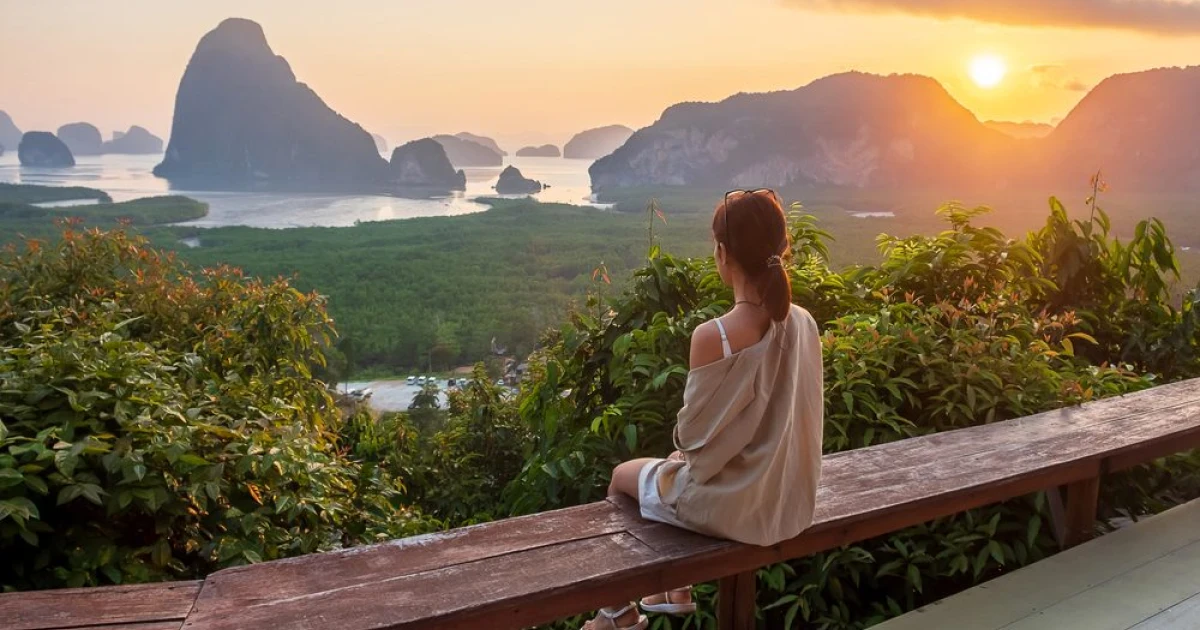
Travel to Phuket needs to look for comfortable resorts to stay in. Most travelers look for all-inclusive resorts to check the prices.
Find affordable resorts
You can stay in one of the two beachfront upscale resorts on:
- Karon Beach
- Kamala beach
These are the most renowned beaches. Both beaches suit for:
- families
- honeymooners
The family friendly beachfront resorts are perfect for family bondings. The resort has:
- swimming pools
- giant water park
These are where everyone can enjoy. The resort is perfect for those who love nature, with the botanical gardens. You will be refreshed by the fresh air in the resort. It is a perfect spot to release a tired body from work. It is not true that Phuket resorts are expensive. In fact, they are one of the most affordable tourist destinations in Asia.
You can stay in the Beach Village Resort and relax in a spa. These are best for couples, being in a private beach location. You can locate the place through:
- 10-minute drive from Patong
- 5-minute drive from Kamala Beach
Relaxing tropical stay experiences
Many travelers choose to visit Phuket because of the tropical experience. More relaxing beaches are on their beautiful spots while enjoying a spa retreat. You can relax while surfing at Kata Beach. It is the sweet spot in Phuket, where plenty of restaurants and activities are accessible. It maintains the easy-going charm of the place.
Kata has two adjacent beaches, namely:
- Kata Yai
- Kata Noi
Beaches have soft white sand and clear water. This is really picturesque. The bay is calm and great for snorkeling during high season.
Kata’s waves are attracting surfers in the low season. It gives a surf-town vibe with laid-back beach bars and board rental shops. Kata has a friendly international feel. Here is what you found along the streets:
- local Thai eateries
- reggae bars
- Italian bistros
- sushi joints
- tailors
- massage shops
- minimarts
You will enjoy all these from an all-inclusive report package.
Activities included
The nightlife in Kata is more about:
- chilling at the beachside restaurant
- drinking a cocktail at mellow bars
The scene is less rowdy. It is more sophisticated than Patong.
Families love Kata because of its safe swimming. Couples appreciate the romantic sunset view of the beach. More dining options are available. Peak months are busy, yet Kata rarely feels overwhelmed. It retains a cozy village atmosphere.
FAQs
Who is best for Kata travel in Phuket?
Families and couples are the best travelers to visit Kata. It has a balanced beach holiday. Kids and adults can enjoy it. There are activities and dining places where you can stop to try their local foods.
Which of the two popular beaches is more appreciated?
Parents appreciate the kid-friendly nature of Kata Yai and the mid-range resorts with family amenities. Couples choose Kata Noi for a quieter, idyllic escape.
When do surfers visit Kata?
Surfers visit Kata from June to September. These months are the best season for surfers.
When to go for a bigger night out?
Head to Patong if you crave a bigger nightlife experience. Patong is a 15 minutes drive to Kata.
Is Phuket town’s cultural charm included in the package?
Almost all inclusive resort packages include visiting cultural charms. You will be discovering the local life in Phuket. Phuket’s capital city is away from the beaches. Yet it offers a completely different vibe. Travelers visit Phuket Old Town. The town is the cultural and food hub in the island.
Are there all inclusive luxury resorts accessible in Phuket?
Phuket Town’s accommodations have charming hotels. They have affordable guesthouses too. Some luxury hotels are:
- SINAE Phuket Luxury Hotel
- The Memory at On On Hotel
- Casa Blanca Boutique Hotel
- Courtyard by Marriott Phuket Tow

Hit the open road with confidence and joy — whether it’s a weekend escape or an extended cross-country journey. A road trip is more than just moving from point A to point B; it’s about stories, memories, and the unexpected moments you’ll cherish forever. From careful planning to smart gear choices, here are ten tips to make your next road trip smooth, fun, and unforgettable.
1. Start With a Flexible Plan
Before you set off, outline a general route and list must-see stops. Use travel apps, GPS, or even good old-fashioned paper maps for backup. But don’t schedule everything too rigidly — part of the magic of a road trip is discovering places you didn’t know about beforehand. Stay open to detours and spontaneous adventures.
2. Choose the Right Company
Traveling with the right people can make or break your journey. Make sure everyone has a clear idea of what they want from the trip, from activities to daily pace, and be ready to compromise when needed. Great communication is key.
3. Check Your Vehicle
Whether you’re using your own car or a rental, give it a thorough once-over before departure. Inspect tires, oil, brakes, lights, and make sure your insurance covers roadside assistance. A little prep goes a long way in avoiding avoidable breakdowns.
4. Mind Your Driving Pace
Long hours behind the wheel can lead to fatigue. Break up long stretches with regular stops — grab dinner, see a landmark, or simply stretch your legs. Pacing yourself keeps you alert and energized for more of the fun parts of the journey.
5. Fuel and Budget Smartly
Plan fuel stops where prices are reasonable and your tank isn’t running low. Filling up in smaller towns rather than highway service stations often saves money. Budgeting ahead helps keep unexpected costs from overshadowing the experience.
6. Pack Essentials (and Snacks!)
Bring snacks, water, and meals that are easy to eat on the road. Favorites like sandwiches, fruit, or homemade treats can boost morale and keep costs down. Don’t forget a reusable water bottle and healthy options for long drives.
7. Keep Your Valuables Safe
Make sure electronics, cameras, and personal items aren’t on display inside your car when parked. Keeping them in a backpack or tucked away reduces the risk of theft. Well-lit parking and guarded lots are always best.
8. Entertainment Matters
Good music, podcasts, audiobooks, or a shared playlist can turn hours on the road into a highlight of your trip. Prepare a variety of entertainment to suit everyone in the car — sometimes classic hits and regional tunes provide the best memories.
9. Bring the Right Tech
Modern road trippers depend on devices for navigation, photography, weather updates, and communication. A portable power station is one of the smartest pieces of gear you can bring. Unlike simple phone chargers, a high-capacity power station keeps multiple devices charged, runs small appliances, and supports electronics when outlets are scarce — perfect for camping stops or remote locations.
10. Keep Your Camera Handy
Some of the most memorable moments happen when you least expect them. Keeping your camera or smartphone within easy reach means you’re always ready to capture those sweeping landscapes, roadside gems, or silly moments with your travel companions.
Conclusion
A well-planned road trip mixes preparation with spontaneity. From thoughtful stops to packing smart essentials like snacks, maps, and tech gear, you’re setting yourself up for an adventure worth remembering. If you want to take your travels to the next level, gear up with reliable power solutions — and that starts with excellent picks from ALLPOWERS.
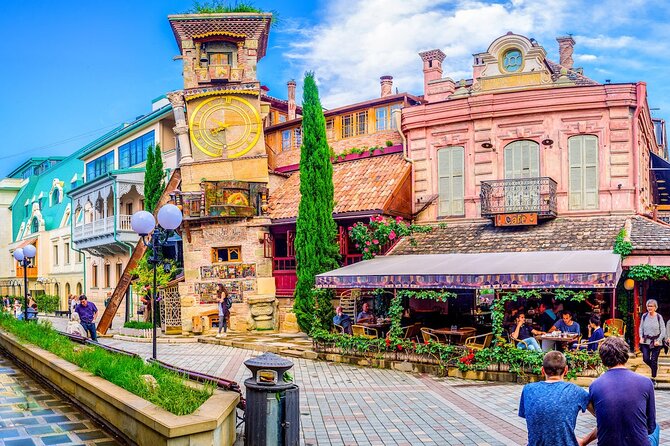
Tbilisi, the heart of Georgia, offers a rich blend of history, culture, and stunning landscapes. While the city is walkable, renting a car provides the best way to explore its many attractions and surrounding areas at your own pace. In this guide, we’ll show you how to navigate Tbilisi’s must-see sights while offering advice from marketing communications expert Nodar Darsavelidze on the best routes and parking tips for car renters.
1. Begin Your Adventure at Freedom Square
Start your journey at Freedom Square, the bustling center of Tbilisi. It’s a great spot to get your bearings and take in the city’s energy. Nearby attractions like Rustaveli Avenue and the Georgian National Museum are within walking distance, and parking is generally available at various public parking lots nearby.
- Must-see spots around Freedom Square:
- Rustaveli Theatre – A cultural gem.
- Tbilisi Opera House – If you’re a fan of classical music and performances.
Expert Tip from Nodar Darsavelidze:
“Freedom Square is the ideal starting point. After you park your car, you can easily walk to several iconic spots. However, if you prefer a quicker start, use the parking facilities around Rustaveli Avenue, where you can also find easy access to cafes and shopping.”
2. Head to the Historic Old Town (Altstadt)
Tbilisi’s Old Town is a maze of narrow streets and beautiful architecture, best explored by foot. However, renting a car gives you flexibility to travel from one side of the Old Town to the other, allowing you to discover hidden gems.
- Main attractions in the Old Town:
- Narikala Fortress – Take your car to the base and either walk up or use the cable car to reach the top for panoramic views.
- Abanotubani (Sulfur Baths) – One of the oldest parts of Tbilisi, famous for its traditional sulfur baths.
- Sioni Cathedral – A historic church that’s a must-see for any visitor to Tbilisi.
Parking in the Old Town can be tricky, so it’s best to park at one of the public lots near Rike Park and walk the short distance to the historic sites.
3. Mtatsminda Park for the Best Views of Tbilisi
After soaking in the historic center, take a short drive up to Mtatsminda Park for a breathtaking view of Tbilisi. Located on a hilltop, it provides the best panoramic views of the entire city, especially at sunset.
- What to do at Mtatsminda Park:
- Enjoy the funicular ride to the top for a smooth journey up.
- Take a stroll through the park or dine in one of the many restaurants with stunning views.
Expert Tip from Nodar Darsavelidze:
“Driving up to Mtatsminda is a fantastic option, as it allows you to enjoy the hilltop views without the hassle of public transport. Just keep in mind that the roads can be narrow, so drive cautiously, especially in busy times.”
4. Explore the Tranquil Vake Park
If you’re in the mood for some greenery and relaxation, Vake Park is a peaceful retreat in the heart of Tbilisi. It’s perfect for a relaxing afternoon after visiting the city’s lively centers.
- What to do in Vake Park:
- Take a leisurely walk or rent a bike.
- Visit the nearby Tbilisi Zoo or enjoy a peaceful picnic by the lake.
Parking in the Vake area is relatively easy, with several designated parking spots near the park entrances.
5. Hidden Gems: Wine Regions and Beyond
If you’re looking to venture a little further out, Tbilisi is surrounded by beautiful regions like Kakheti, known for its wine-making, and Jvari Monastery, offering incredible views of the city. A rental car makes it easy to explore these places without relying on group tours.
- Nearby attractions to consider:
- Kakheti Wine Region – Explore vineyards and taste local wines.
- Jvari Monastery – A short drive from the city offering panoramic views of the river.
These destinations are perfect day trips, and a rental car allows you to explore them on your schedule.
6. Parking Tips for Tbilisi Drivers
Parking in Tbilisi can be a bit challenging in busy areas like Rustaveli Avenue or the Old Town, but with a bit of planning, you can easily find spots.
- Public Parking Lots: Major public parking lots are located near popular sites, such as Rike Park, Freedom Square, and Vake Park. Parking fees are reasonable, especially if you opt for hourly rates.
- Parking Apps: Use apps like Parkopedia to find available parking spaces in the city.
Expert Tip from Nodar Darsavelidze:
“In Tbilisi, parking apps are a great way to avoid wasting time looking for a spot. If you’re visiting popular sites, like the Old Town, try parking in central lots like those near Rike Park and then walk or use public transport to reach the attractions.”
Renting a car in Tbilisi allows you to experience the city’s blend of history, culture, and nature with ease. From the vibrant streets of Old Town to the tranquil views from Mtatsminda, having a car gives you the freedom to explore on your terms.

Cazino și divertisment digital: rolul limitelor și al transparenței

How Traffic Safety Cones Enhance Visibility and Hazard Awareness

Comparing Metro Silver Markets and What Drives Their Daily Rates

How LGBTQ+ Youth Programs Encourage Connection and Confidence