News
Unlocking the Power of Positive Habits: Transform Your Life in 30 Days


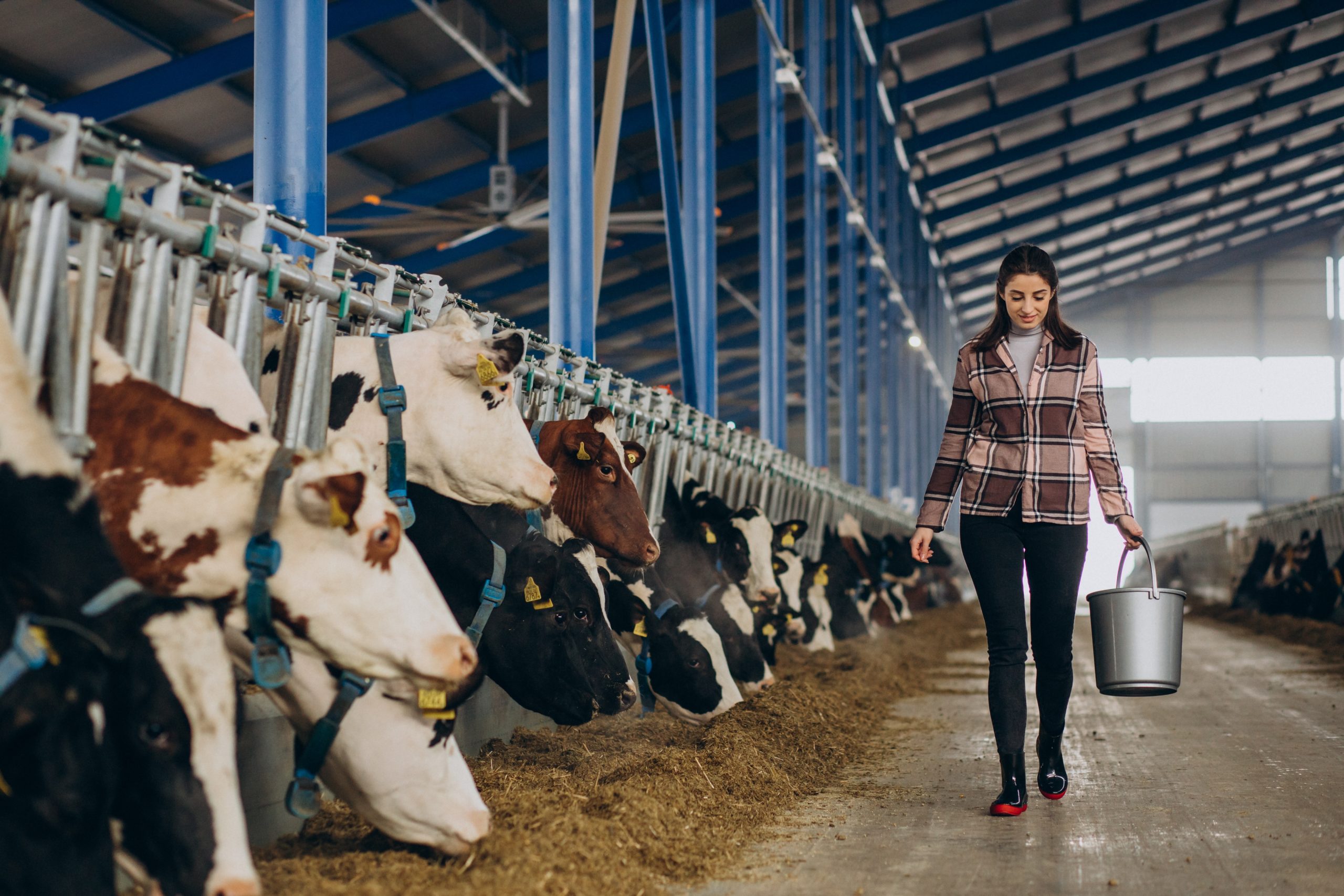
Providing livestock with a consistent supply of clean water is one of the most important responsibilities in any cattle operation. Water directly affects animal health, feed consumption, growth rates, and overall productivity. As livestock operations continue to adopt more efficient management practices, cattle waterers have become a valuable tool for maintaining reliable access to water while reducing labor demands.
Modern cattle waterers are designed to deliver fresh water in a controlled and convenient manner. Whether used in small farms or large-scale ranches, these systems help support healthier animals and more efficient daily operations.
Ensuring Consistent Access to Clean Water
Cattle require a dependable source of water throughout the day to support digestion, temperature regulation, and overall well-being. Traditional watering methods can sometimes result in contamination from dirt, manure, debris, or standing water conditions. Cattle waterers help minimize these issues by providing a cleaner and more controlled water source.
Many modern systems are designed to protect water from environmental contaminants while maintaining a steady supply. This allows livestock owners to provide better hydration conditions for their herds. Consistent access to clean water can also encourage cattle to drink regularly, which supports healthy growth and performance.
Reducing Labor and Daily Maintenance
Managing water supplies manually can consume significant time and effort, especially in operations with large numbers of animals. Hauling water, filling troughs, and cleaning watering areas may require daily attention that takes time away from other important tasks.
Cattle waterers, like those available at Tristar, help streamline these responsibilities through automated or semi-automated operation. Many units refill automatically as animals drink, reducing the need for constant monitoring. By lowering labor requirements, producers can focus more on herd management, pasture maintenance, animal health, and other operational priorities.
Supporting Better Herd Health
Proper hydration is closely connected to cattle health. Animals that have reliable access to clean water are better equipped to maintain normal bodily functions and utilize nutrients effectively. Inadequate water intake can contribute to reduced feed consumption, lower productivity, and increased stress.
Modern cattle waterers help create an environment where animals can easily access fresh water whenever needed. This can be particularly beneficial during periods of high temperatures or increased nutritional demands. Maintaining proper hydration supports healthier animals and contributes to stronger overall herd performance.
Improving Efficiency Across Pastures and Facilities
As livestock operations expand, managing water access across multiple grazing areas can become more challenging. Producers need practical solutions that allow cattle to access water without creating excessive congestion or requiring frequent relocation of equipment.
Cattle waterers can be strategically placed throughout pastures, feeding areas, and holding facilities to improve accessibility. Well-positioned watering systems help distribute cattle more evenly across grazing areas and lessen wear around natural water sources. This enhanced organization can support better land management and more efficient use of available resources.
Protecting Water Resources and Reducing Waste
Water conservation has become an increasingly important consideration in modern agriculture. Leaks, overflow, and inefficient watering practices can lead to unnecessary water loss and increased operating costs.
Many cattle waterers are designed with features that help regulate water usage and minimize waste. Controlled delivery systems reduce excessive overflow while ensuring animals receive the water they need. By streamlining water management practices, producers can support sustainability goals while maintaining reliable service for their livestock.
Cattle waterers play a critical role in helping modern livestock operations maintain healthy, productive herds. By ensuring consistent access to clean water, reducing labor requirements, supporting herd health, improving operational efficiency, and minimizing water waste, these systems offer advantages that benefit both animals and producers. For operations seeking trusted watering solutions tailored to their specific needs, consulting experienced cattle watering professionals can help identify the best system for long-term success.

If you are looking for a reliable NCC Verona Lago di Garda service, Class Verona NCC provides comfortable and professional private transfers between Verona, Verona Airport, and the most popular destinations around Lake Garda. With experienced chauffeurs and premium Mercedes V-Class vehicles, we ensure every journey is smooth, safe, and stress-free.
Whether you are traveling for a holiday, a business trip, or a special event, our chauffeur service offers a comfortable alternative to taxis, buses, and rental cars.
NCC Aeroporto Verona Lago di Garda
Our NCC Aeroporto Verona Lago di Garda service is ideal for travelers arriving at Verona Airport and heading directly to Lake Garda.
Instead of waiting for public transportation or searching for a taxi, your chauffeur will be ready upon arrival and will accompany you directly to your destination. We monitor flight schedules and adjust pickup times when necessary, ensuring maximum convenience.
We provide transfers from Verona Airport to all major Lake Garda destinations, including:
- Sirmione
- Peschiera del Garda
- Lazise
- Bardolino
- Garda
- Torri del Benaco
- Malcesine
- Desenzano del Garda
- Riva del Garda
- Limone sul Garda
Our airport transfer service allows you to start your holiday comfortably from the moment you land.
Private Transfers to Lake Garda
Lake Garda is one of Italy’s most beautiful destinations, attracting visitors from all over the world. Whether you are staying in a luxury hotel, visiting family, attending an event, or exploring the region, we provide personalized transportation adapted to your schedule.
With our private transfer service, you avoid parking difficulties, crowded buses, and unnecessary waiting times. Your chauffeur will take care of every detail while you relax and enjoy the journey.
Mercedes V-Class Fleet
Class Verona NCC operates exclusively with Mercedes V-Class minivans.
These premium vehicles offer:
- Spacious and comfortable seating
- Large luggage capacity
- Air-conditioned interiors
- Modern safety systems
- Comfortable travel for families and groups
Whether traveling alone, as a couple, or with several passengers, the Mercedes V-Class provides an excellent travel experience.
Popular Transfer Routes
We regularly provide transfers between Verona, Verona Airport, and the most requested locations around Lake Garda.
Popular routes include:
- Verona Airport – Sirmione
- Verona Airport – Peschiera del Garda
- Verona Airport – Lazise
- Verona Airport – Bardolino
- Verona Airport – Garda
- Verona Airport – Malcesine
- Verona – Lake Garda Hotels
- Verona Train Station – Lake Garda Resorts
Every transfer is organized according to your travel schedule and specific requirements.
Professional Chauffeurs
Our chauffeurs are experienced, professional, and highly familiar with the Verona and Lake Garda area.
They are known for their punctuality, discretion, and attention to customer service. Whether you need assistance with luggage, local recommendations, or a flexible itinerary, our team is always available to help.
We focus on delivering a premium transportation experience from pickup to arrival.
Why Choose Class Verona NCC?
Clients choose our service because we offer:
- Professional private transfers
- Experienced chauffeurs
- Mercedes V-Class vehicles
- Fixed prices agreed in advance
- Airport pickup service
- Comfortable long-distance transportation
- Personalized assistance
- Reliable service throughout the year
Our goal is to provide safe, elegant, and comfortable transportation for every traveler visiting Verona and Lake Garda.
Book Your Transfer
Whether you need an NCC Aeroporto Verona Lago di Garda transfer or a professional NCC Verona Lago di Garda service, Class Verona NCC is ready to assist.
Contact us today to receive a personalized quotation and enjoy a comfortable private transfer between Verona and Lake Garda with professional chauffeurs and premium Mercedes V-Class vehicles.

Travel planning involves many moving parts, from booking flights and packing to arranging transportation and managing schedules. One often overlooked but highly impactful element is airport parking. Securing airport parking reservations in advance can significantly improve the way travelers organize their trips, reduce stress, and create a smoother overall experience. Rather than leaving parking to chance, pre-booking ensures structure, predictability, and convenience.
In this blog post, we’ll explore how airport parking reservations improve travel planning and organization. Read on!
Streamlining Travel Planning
Airport parking reservations help streamline the entire travel planning process by eliminating last-minute uncertainty. When parking is arranged ahead of time, travelers can map out their departure schedule more accurately, knowing exactly where they need to go upon arrival at the airport. This lessens the need for contingency planning and allows for a more organized itinerary. With one less variable to worry about, travelers can focus on other important aspects of their trip, such as documentation, baggage, and transportation timing.
Reducing Pre-Departure Stress
One of the most immediate benefits of reserving airport parking is the reduction of stress before departure. Searching for an available parking spot on the day of travel can be frustrating, especially during peak travel seasons or busy airport hours. Reservations remove this uncertainty by guaranteeing a space in advance. This assurance helps travelers avoid unnecessary delays, last-minute detours, and the anxiety of potentially missing a flight due to parking issues.
Maximizing Time Efficiency
Time efficiency is a key factor in successful travel planning, and airport parking reservations, like those available at US Park on Middlebelt, play a major role in optimizing it. Instead of circling parking lots or waiting for shuttle availability, travelers with reservations can proceed directly to their designated parking area. This streamlined process saves valuable time that can be better spent on check-in, security clearance, or simply relaxing before a flight. Over time, these small efficiencies add up, making the overall travel experience more seamless and predictable.
Enhancing Budget Control
Airport parking reservations also contribute to better financial planning. By booking in advance, travelers often gain access to discounted rates or fixed pricing options, which help avoid unexpected costs. Last-minute parking tends to be more expensive and unpredictable, especially at high-demand airports. With a reservation in place, travelers can budget more accurately and avoid the risk of inflated rates. This added financial control supports better overall travel organization and reduces the likelihood of unplanned expenses.
Improving Airport Accessibility
Pre-booked parking enhances airport accessibility by ensuring that travelers know exactly where they are going and how to get there. Many airport parking services offer clearly designated zones, shuttle services, and proximity options based on reservation type. This level of organization helps travelers choose parking that best suits their needs, whether it is short-term, long-term, or premium valet service. As a result, navigating the airport environment becomes more efficient and less overwhelming, especially for those unfamiliar with the location.
Supporting Smoother Return Journeys
The benefits of airport parking reservations extend beyond departure and also improve the return journey. After a long flight, the last thing travelers want is confusion about where their vehicle is parked. Having a pre-arranged spot ensures that returning to the car is straightforward and predictable. This consistency reduces fatigue and helps travelers transition smoothly from travel mode back to daily life, reinforcing a sense of order throughout the entire trip.
Strengthening Overall Travel Organization
Ultimately, airport parking reservations serve as a foundational element in strengthening overall travel organization. They integrate seamlessly into the broader travel plan, supporting punctuality, minimizing uncertainty, and enhancing coordination across all stages of the journey. By incorporating parking into pre-travel arrangements, travelers create a more structured and reliable system that supports both convenience and peace of mind.
Airport parking reservations are more than just a convenience; they are a practical tool for improving travel planning and organization. From reducing stress and saving time to enhancing financial control and accessibility, the benefits extend across the entire travel experience. Planning ahead ensures that the journey begins and ends with greater ease, allowing travelers to focus on what truly matters: the trip itself.

Why Cattle Waterers Are Essential for Modern Livestock Operations

NCC Verona Lago di Garda – Private Transfers Between Verona and Lake Garda

Why Crash Games Like Aviator Are Becoming An Integral Part Of Online Game Offerings

Small Crypto Exchanges Worth Looking At (Ausfinex, MEXC, Bitrue)

Why Timber Bridge Building Remains a Popular Choice for Modern Infrastructure
Why Timber Bridge Building Remains a Popular Choice for Modern Infrastructure

What Travelers Should Discover In Phuket Resorts?
Small Crypto Exchanges Worth Looking At (Ausfinex, MEXC, Bitrue)
Why Crash Games Like Aviator Are Becoming An Integral Part Of Online Game Offerings