
News
The Best Horseback Riding Experiences at Silver Stallion Stables


Nestled in a scenic corner of the countryside, Silver Stallion Stables is renowned for providing some of the most exceptional horseback riding experiences in the region. With its picturesque setting, top-notch facilities, and commitment to equestrian excellence, the stables offer a range of riding opportunities that cater to enthusiasts of all levels. From beginners taking their first ride to experienced riders honing their skills, Silver Stallion Stables delivers memorable and fulfilling horseback riding experiences. This article explores the best horseback riding experiences offered at Silver Stallion Stables and what makes them stand out.
Scenic Trail Rides
One of the most popular offerings at Silver Stallion Stables is its scenic trail rides. Set against the backdrop of rolling hills, lush meadows, and serene woodlands, these trail rides offer riders a chance to immerse themselves in the natural beauty of the landscape. The trails are carefully maintained and designed to suit various skill levels, ensuring a safe and enjoyable experience for everyone.
For novice riders, the gentle trails provide a relaxing and leisurely experience, allowing them to enjoy the sights and sounds of nature while building confidence on horseback. More experienced riders can take advantage of the challenging terrain and varied landscapes, which offer a stimulating and invigorating ride. Guided by knowledgeable and friendly staff, participants are provided with valuable insights into the local flora and fauna, making the trail rides both enjoyable and educational.
Dressage Training
For those looking to refine their riding skills and develop a deeper understanding of equestrian discipline, Silver Stallion Stables offers top-tier dressage training. Dressage, often described as the art of horse training, emphasizes harmony between horse and rider through a series of precise movements and routines.
At Silver Stallion Stables, riders have access to experienced dressage instructors who provide personalized coaching and guidance. The facility boasts a well-maintained dressage arena equipped with high-quality footing and essential training tools. Riders can participate in structured lessons that focus on technique, posture, and communication with their horse. Whether preparing for a competition or seeking to improve personal skills, the dressage training at Silver Stallion Stables offers a comprehensive and enriching experience.
Jumping and Cross-Country Courses
For those with a penchant for excitement and challenge, Silver Stallion Stables features impressive jumping and cross-country courses. The jumping arena is designed to cater to riders of all levels, with a variety of obstacles and courses that can be customized to suit individual skills and goals. From simple crossrails for beginners to intricate courses for advanced riders, the jumping facilities offer endless opportunities for skill development and enjoyment.
The cross-country course, set amidst the stables’ expansive grounds, presents a thrilling adventure for riders seeking a more dynamic experience. The course includes a range of natural obstacles, such as water jumps, ditches, and logs, designed to test both horse and rider. The course is meticulously designed to ensure safety while providing a challenging and exhilarating ride. Experienced instructors are on hand to offer guidance and support, helping riders navigate the course with confidence and skill.
Therapeutic Riding Programs
Silver Stallion Stables is also dedicated to providing therapeutic riding programs that offer numerous physical, emotional, and psychological benefits. These programs are designed for individuals with special needs or those seeking to improve their overall well-being through horseback riding.
The therapeutic riding sessions are led by certified instructors who are trained to work with riders of various abilities. The program focuses on building trust, confidence, and physical coordination through structured activities and exercises. Participants benefit from the unique bond formed with their horse and the supportive environment created by the stables. Whether aiming to enhance mobility, boost self-esteem, or simply experience the joy of riding, the therapeutic riding programs at Silver Stallion Stables offer a rewarding and meaningful experience.
Family-Friendly Riding Experiences
Silver Stallion Stables is a family-friendly facility that welcomes riders of all ages. Families can enjoy shared experiences through various programs designed to accommodate both children and adults. The stables offer family trail rides, group lessons, and special events that create opportunities for family bonding and shared enjoyment.
Children’s riding programs are tailored to introduce young riders to the joys of horseback riding in a safe and fun environment. The stables provide gentle ponies and experienced instructors who make learning to ride an exciting adventure for kids. For families looking to explore horseback riding together, Silver Stallion Stables offers group rides and events that cater to different age groups and skill levels, ensuring that everyone can participate and have a great time.
Competitions and Shows
For competitive riders, Silver Stallion Stables hosts a variety of equestrian competitions and shows throughout the year. These events provide a platform for riders to showcase their skills and achievements in a supportive and encouraging environment.
The stables’ competition facilities are top-notch, featuring well-maintained arenas and professional-grade equipment. The events range from local shows to more advanced competitions, offering opportunities for riders to challenge themselves and gain valuable experience. The atmosphere at the competitions is lively and positive, with participants and spectators alike celebrating the achievements and progress of the riders.
Conclusion
Silver Stallion Stables offers a diverse range of horseback riding experiences that cater to riders of all levels and interests. From scenic trail rides and dressage training to jumping courses and therapeutic programs, the stables provide an exceptional environment for equestrian enthusiasts to explore their passions and develop their skills. With its commitment to excellence, stunning facilities, and welcoming community, Silver Stallion Stables is truly a place where riders can create unforgettable memories and achieve their riding goals. Whether you’re a beginner or a seasoned rider, Silver Stallion Stables promises an enriching and enjoyable horseback riding experience.

Operating a hotel or restaurant requires constant attention to financial records alongside daily guest service. Every room booking, meal order, staff shift, and vendor delivery creates financial data that managers must record and verify. Standard office software and general bookkeeping methods fail to handle the high volume and complex rules of lodging and dining businesses.
Specialized hospitality service providers offer accounting, tax, payroll, and reporting support made specifically for hotels, resorts, motels, and restaurants. Learning what these services cover and where to find them helps business owners maintain accurate financial records without confusion.
Hospitality Bookkeeping and Daily Ledger Management
Hospitality bookkeeping records daily sales and expenses across separate property departments. Owners should expect this service to cover daily bank checks, credit card deposit matching, processing fee tracking, and commission categorization for room bookings, restaurant dining, banquet events, and spa visits.
Accurate daily records are vital because minor posting mistakes quickly create wrong cash balances and misrepresent true departmental costs.
Hospitality businesses hire outsourced hospitality bookkeeping firms, regional accounting practices, independent hotel consultants, or remote accounting teams for this daily work.
Sales and Occupancy Tax Compliance
Lodging and dining businesses follow strict tax rules that differ from standard retail store taxes.
Expect a tax compliance service to calculate and file local lodging taxes, state sales taxes, tourism district fees, and city dining taxes for every location where a business operates. Proper tax filing prevents expensive government fines and unexpected audit bills.
Owners get these services from certified public accounting firms, lodging tax specialists, automated tax software companies, or outsourced hotel accounting providers.
Multi-Property Financial Consolidation
Hospitality groups that own or manage several properties need combined financial reports to evaluate each location. This service standardizes expense categories across every building, tracks money moved between sister properties, calculates shared management fees, and merges separate ledgers into unified income statements and balance sheets.
Without combined reports, ownership groups fail to notice underperforming properties and confuse lenders and business partners. Management companies obtain this support from large hospitality accounting firms, part-time finance directors, hotel management software companies, or outsourced administrative providers.
Hospitality Payroll and Labor Integration
Managing staff pay in hotels and restaurants involves tracking varied hourly rates, tipped wages, banquet service charges, and salaried managers across multiple departments. Payroll integration connects time clocks and register tip records directly with the main accounting ledger so wage expenses match actual hours worked.
Accurate labor tracking matters because employee wages represent a major ongoing expense in hospitality.
Operators get this service from hospitality payroll companies, workforce scheduling platforms, outsourced hotel accounting agencies, or specialized timekeeping software vendors.
Operational Variance Analysis and Periodic Audits
Routine financial reviews compare budgeted spending plans against actual departmental expenses.
Expect periodic audits to inspect front desk price adjustments, missing food and drink stock, overdue customer bills, and housekeeping supply spending for unusual errors.
Finding these mistakes early stops ongoing money loss and keeps department managers accountable. Hotel owners hire independent hospitality auditors, specialized hotel accounting firms, financial review consultants, or outsourced audit specialists for these checks.
Financial Accounting for the Hospitality Industry
Financial accounting for the hospitality industry organizes hotel data using the Uniform System of Accounts for the Lodging Industry. Unlike general commercial accounting, this method separates income and direct costs across rooms, dining, guest communications, and recreation.
Using these industry standards helps owners and lenders measure true departmental profits accurately.
Businesses obtain this expertise from dedicated hospitality accounting firms, such as GlobalHAS Inc., as well as lodging certified public accountants, outsourced hotel finance teams, or specialized hospitality accounting providers.
Hospitality Accounting and Management Software
General small-business bookkeeping programs fail to handle high-volume hotel transactions and multi-department reporting. Specialized hospitality software connects front desk reservation systems, restaurant registers, purchasing programs, and bank accounts inside a shared accounting database.
Using industry software gives managers immediate access to daily occupancy, average room rates, departmental profit margins, and revenue per available room. Properties buy these programs from hospitality software developers, approved setup partners, hotel technology consultants, or third-party accounting providers.
Complete Financial System Reviews
A complete financial system review examines how daily accounting routines, software connections, record storage, and internal controls work across a hospitality company.
During this review, specialists check expense categories, monthly closing schedules, spending approval rules, and report accuracy to find delays or rule violations.
Identifying slow accounting habits early lets leaders fix outdated routines before business growth creates larger administrative problems. Hospitality operators request these reviews from hotel accounting advisory firms, certified public accounting practices, independent finance consultants, or outsourced accounting companies.
Part-Time and Outsourced Controller Services
Growing hotels need senior financial supervision without paying for a full-time executive controller. Outsourced controller services provide experienced oversight of monthly closing tasks, balance sheet checks, cash planning, and financial statement preparation.
Reliable controller supervision improves financial accuracy and gives property owners dependable advice when reviewing monthly results with lenders and investors.
Businesses hire part-time controllers from specialized hospitality accounting firms, finance staffing agencies, hotel advisory groups, or outsourced accounting providers.
Accounts Payable and Vendor Invoice Processing
Hotels and restaurants buy regularly from food suppliers, linen companies, utility providers, and maintenance contractors that send frequent bills.
Accounts payable services handle bill coding, purchase order matching, payment scheduling, and vendor statement checks across every department.
Timely bill processing stops duplicate payments and maintains good supplier relationships. Property managers get this support from outsourced hospitality bookkeeping firms, bill payment software companies, hotel administrative service providers, or regional accounting practices.
Seasonal Budgeting and Renovation Tracking
Hospitality income changes considerably between busy travel months and quieter off-peak seasons, making advance financial planning necessary. Specialized budgeting and project tracking services prepare updated cash forecasts, departmental operating budgets, property upgrade budgets, and renovation cost reports.
Detailed budgets and cost reports help owners save cash reserves for slower months and keep building upgrades within approved spending limits.
Operators hire hospitality asset management firms, specialized hotel accounting providers, hotel development consultants, or part-time finance directors for this planning.
Operating a profitable hospitality business requires steady coordination between guest service teams and financial specialists. When property owners understand what specialized accounting, tax, payroll, and reporting services cover, they select external partners that match their operational size and goals.
Evaluating specialized service providers helps hospitality leaders maintain accurate records, preserve profit margins, meet tax obligations, and make informed business decisions every season. With reliable external accounting support, managers and owners stay focused on serving their guests well.

Your house relies on supply pipes, drain lines, shutoff valves, and water fixtures every day. Most people rarely think about these parts. Yet small plumbing faults inside walls or under floors cause expensive property damage when left unaddressed.
Learning what professional plumbing services cover and where to find qualified technicians helps you protect your home with confidence.
Drain Cleaning and Clog Removal
Slow drains and backed-up tubs happen when grease, hair, soap residue, and food particles build up inside waste pipes. Professional drain cleaning removes the entire blockage and clears residue from the inner pipe walls rather than leaving partial obstructions behind.
Leaving a stubborn clog untreated causes unpleasant odors, slow drainage, sewage backups, and extra strain on pipe joints.
Local plumbing companies and specialized drain contractors perform this work using commercial clearing equipment.
Water Heater Maintenance and Repair
Your water heater supplies warm water for bathing, laundry, dishwashing, and handwashing throughout the year.
Natural minerals from municipal or well water settle inside the tank over time, reducing heating efficiency and creating loud popping noises during operation.
Routine maintenance addresses worn internal protective parts, faulty thermostats, sediment buildup, and leaking safety valves before the appliance stops working. Full-service residential plumbers and certified appliance repair technicians inspect and repair tank and tankless water heaters.
Sewer Line Video Inspection
Underground sewer lines stay completely hidden beneath your yard. During a video inspection, a technician feeds a waterproof camera on a flexible cable through the main waste pipe to record the interior condition.
This evaluation identifies tree root intrusion, collapsed pipe walls, shifted joints, and heavy grease buildup before waste backs up inside your house. Independent plumbing inspection firms and established local plumbing contractors offer this diagnostic service, particularly before you buy an older home.
Slab Leak Detection
Houses built on concrete slabs have pressurized water lines running directly beneath the floor. When an underground pipe develops a small hole or joint failure, escaping water saturates the soil and weakens the concrete foundation.
Technicians use sound detection tools and heat-sensing cameras to locate the exact source of moisture without breaking up large sections of flooring.
Regional plumbing companies and dedicated underground leak detection specialists provide this locating service for slab foundations.
Pipe Insulation and Freeze Prevention
Freezing temperatures threaten exposed water pipes in attics, crawl spaces, garages, and exterior walls.
Water expands as it freezes, creating high internal pressure that splits metal and plastic pipes open. Winterization services protect vulnerable lines by adding thick foam sleeves, installing electric heating cables, sealing drafty wall openings, and fitting frost-free outdoor faucets.
Local residential plumbers and seasonal home weatherization contractors install these protective upgrades before winter weather arrives.
Residential Water Leak Repair
Hidden moisture behind walls or beneath cabinets damages wooden framing, drywall, flooring, and stored belongings while increasing your monthly water bill.
Residential water leak repair focuses on locating the damaged pipe section and installing a permanent, watertight replacement.
Prompt repair matters because continuous dampness encourages mold growth and weakens the structural materials inside your home. Licensed local plumbing contractors and emergency home repair companies, like Airco, handle both sudden pipe bursts and slow household leaks.
Whole-Home Repiping
Many older houses contain aging metal or plastic supply pipes that corrode and weaken after years of daily use.
Common signs of failing pipes include rusty tap water, weak water pressure, recurring leaks, and sudden temperature drops when multiple fixtures run together. Whole-home repiping replaces worn supply lines throughout the house with durable modern copper or flexible plastic piping.
Established plumbing contractors and specialized repiping companies manage these full-house upgrades, including coordinating local building inspections and wall patching.
Sump Pump Testing and Service
Basements and low crawl spaces rely on sump pumps to collect groundwater and pump it away from the house during heavy rain. Because these pumps remain inactive during dry weather, float switches stick and motors fail unexpectedly when severe storms arrive.
Routine service inspects electrical connections, clears debris from the basin, tests the discharge valve, and checks battery backup power.
General residential plumbing companies and basement waterproofing contractors perform scheduled sump pump maintenance and urgent replacements.
Fixture and Faucet Replacement
Worn faucets, running toilets, dripping showerheads, and stuck shutoff valves waste substantial amounts of clean water every day.
Professional fixture replacement provides tight seals and secure supply connections that stop slow leaks inside vanity cabinets or behind bathroom walls. Updating worn fixtures also improves water efficiency and makes daily kitchen and bathroom tasks much easier.
Neighborhood plumbing companies and licensed handyman plumbers handle fixture installations for home remodels and routine replacements.
Water Filtration and Softener Installation
Household water supplies carry dissolved minerals, chlorine, sediment, and trace impurities that affect water taste and appliance lifespan. Hard water leaves chalky mineral buildup inside dishwashers, washing machines, water heaters, and shower doors, forcing those appliances to work harder.
Installing a whole-home filtration system or water softener removes unwanted particles and protects household pipes from mineral scale. Water treatment specialists and full-service residential plumbing contractors test household water quality and install equipment matched to local water conditions.
Backflow Prevention Testing
Backflow happens when a sudden drop in water pressure pulls dirty water from lawn sprinklers or heating boilers backward into clean drinking lines.
Backflow prevention devices use mechanical check valves to keep clean household drinking water separated from unsafe water sources.
Annual testing verifies that these internal valves close tightly and protect both your household and the public water system from contamination. State-certified backflow testers and residential-commercial plumbing companies perform these inspections and file required reports with local water utilities.
Understanding professional plumbing services makes home maintenance much easier. From routine drain cleaning and water heater maintenance to specialized leak repairs and backflow testing, each service prevents specific threats to your comfort and safety.
Watching for warning signs like weak water pressure, slow drains, unusual pipe noises, or rising water bills helps you call a technician before minor wear causes major damage.
Choosing a reliable local plumbing company gives you dependable support whenever your house needs routine maintenance or urgent repairs.
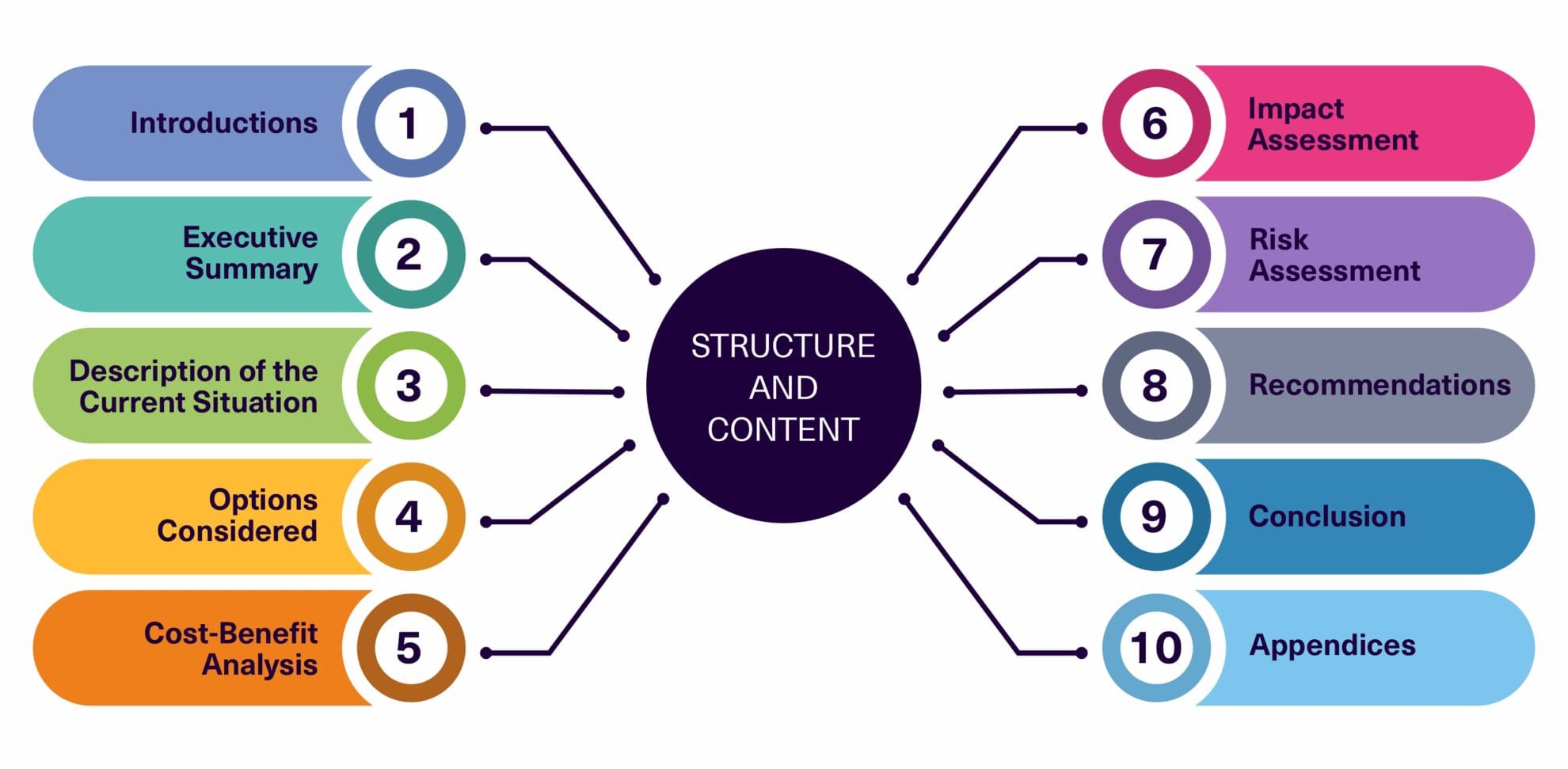
A finished project gives a business something more useful than another claim about excellent service: an opportunity to explain how it works. Yet a case study can lose that value when it becomes a string of compliments without dates, decisions, or supporting evidence.
Consider a fictional web agency that simplified an appliance repair shop’s booking page. Rather than announcing a successful transformation, the agency could show what customers struggled with, which changes were made, and what happened afterward. Here is how to develop that account responsibly.
Choose a Problem Your Readers Recognize
Start with the client’s original difficulty, not your company biography. In the example, customers were calling because they could not tell which appliances the shop accepted or whether an inspection carried a fee.
Google’s guidance encourages content that demonstrates firsthand experience and helps an intended audience achieve its goals.
Choose a project that lets you explain a relevant decision. A modest improvement with clear records gives you something concrete to discuss.
Write one sentence describing the reader’s likely question: “How can we reduce confusion before customers book?” Keep that question beside the outline.
Avoid stretching the project into evidence for services it never involved. A booking page redesign is not automatically a complete digital transformation.
Put Results in Their Proper Context
Decide what you measured before selecting a headline. Keep the reporting periods, source records, and definitions available for checking.
Suppose the fictional shop received 60 inquiries from 2,000 website visits before the update and 96 from 2,400 visits afterward. The inquiry rate increased from 3 percent to 4 percent: one percentage point.
The inquiry total rose by 60 percent, but visits also increased. Those figures describe different aspects of the result and should not be treated as interchangeable.
Define an inquiry before counting it. Apply the same rules to spam and duplicate messages in both periods, and explain whether the total includes every submission or only requests the business could realistically turn into work.
Check whether advertising, seasonal demand, opening hours, or staffing also changed. A comparison alone cannot establish that the redesigned page caused every improvement.
Use equivalent periods and consistent measurement methods. Explain missing information rather than selecting the most flattering figure and leaving readers to guess its meaning.
Show the Decisions Behind the Outcome
Describe what changed and why. For the repair shop, the agency might have added an accepted appliances list, clarified inspection charges, and shortened the booking form.
Include an annotated comparison when it explains something the text cannot easily show. Remove private details before publishing screenshots.
Digital.gov recommends active voice and language appropriate to the audience. Replace “customer engagement optimization was implemented” with “we added the information customers repeatedly requested.”
Describe one constraint, such as a limited budget or a requirement to keep the existing booking system. Explain how it affected the solution.
Credit the client’s contribution and identify anything that did not work. A useful account shows judgment, not a process that supposedly encountered no difficulties.
Review the Writing Separately From the Evidence
Draft from project notes, not from another company’s success story. Keep quotations exact and give the relevant person an opportunity to check how their words are presented.
Using an AI checker free of charge may provide a signal about a draft’s possible origin, but it does not verify the project’s results. The 2024 RAID study found weaknesses in tested detection systems when handling unfamiliar generators and variations in generated text.
Retain drafts and ask contributors to explain unclear passages rather than treating a classification as proof.
Check numbers against the original records and claims against the agreed work. Remove invented testimonials and unsupported guarantees, even when they make the story sound more persuasive.
Agree What Can Be Published
Before preparing the final page, confirm permission to use the client’s name, quotations, photographs, and results. Keep the approval with the exact version reviewed.
The UK’s National Cyber Security Centre advises against putting sensitive information into prompts submitted to public language models. Use fictional details while experimenting with drafting assistance.
Inspect screenshots for email addresses, account identifiers, and unrelated customer records. A cropped dashboard still deserves a careful review.
Where the client prefers anonymity, consider whether the remaining details could identify them. Agree what context can safely remain.
Separate confidential supporting records from public materials. Readers need enough information to understand the result, not unrestricted access to the client’s business.
Make the Finished Page Easy to Use
Give the article a descriptive title and clear sections covering the problem, approach, and outcome. W3C recommends meaningful headings and text alternatives that explain informative images.
State the project dates and review the page when important details change. Keep historical results clearly identified rather than presenting them as current performance.
Ask someone unfamiliar with the assignment to explain what the business did and what the evidence supports. Revise anything they misunderstand.
End with a relevant next step, such as reviewing the reader’s own booking process. A worthwhile case study should help someone make a better decision, not simply admire yours.

11 Practical Accounting and Finance Services for Hotels and Restaurants

Understanding Common Residential Plumbing Care for Everyday Homeowners

How to Turn a Completed Project Into a Useful Business Case Study

5 Essential Home Improvements for Better Weather Protection

Online Casino Games Explained: How to Choose the Right Experience for You
Online Casino Games Explained: How to Choose the Right Experience for You
How to Turn a Completed Project Into a Useful Business Case Study
5 Essential Home Improvements for Better Weather Protection
Understanding Common Residential Plumbing Care for Everyday Homeowners