
Health
How to Choose a Medical Billing Services Company?


With every passing time, outbreaks of different variants are being introduced, and all the industries are affected by the Covid-19. Telemedicine used virtual technology, and all other sectors also shifted to e-commerce and online businesses worldwide. If your practice wants to partner with a medical billing company, you can contact UControl Billing because focusing on patient care is more important. Focus on the patient is the utmost priority of every medical organization. Your practice will focus more on patient care when you try to outsource medical billing, and it will boost the revenue of your healthcare organization. Medical billing services can grow your medical practices through medical billing companies. The medical companies allow the automation of all the processes related to the insurance eligibility criteria. Medical billing companies outsource medical billing processes, reducing the time, money, effort and administrative requirements.
If you want to outsource your medical practices, UControl Billing is the safest and most secure choice for you. This medical billing company has no delays in claim scrubbing and submission, and they are also very responsible and professional in their profession. They have certified billing and coding staff with years of experience. This article will help you find and choose the best medical billing company.
Benefits of Medical Billing Services for the development of healthcare practices:
Below down there are some of the ways to choose the best medical billing company services who will provide:
Fewer medical coding mistakes and medical errors
A strange mistake close to managed projects. Indeed, even the most expert of conditions can commit errors, and in some possibilities, these mistakes can cost a medical services office a significant loss. Clinical billing administration is the most appropriate approach to cut down on coding and billing mistakes. Since such medical billing administrations have superior coding and billing skills, the opportunity for tragic missteps is close to nothing. Because of more critical mastery, a clinical billing administration is also better for fixing errors.
Protection and security of patient data
In this world of technology, hackers do hacking and other unethical practices. Moreover, data protection is a must, like medical records, history, and documentation, because these are an organization’s essential and sensitive documents. Unfortunately, medical staff and teams are unaware of the hacking strategies because they are not experts in protecting manual and electronic data. Outsourcing a professional medical billing company will solve all of your problems regarding data protection as they are experts in medical billing and coding.
Verify the insurance eligibility criteria
Medical billing services can grow your medical practices through medical billing companies. The medical companies allow the automation of all the processes related to the insurance eligibility criteria. The medical administrative staff will examine which patient will get medical insurance, a waste of resources and time. Medical companies allow automatic processes, and it will also reduce the administrative requirements.
High productivity and enhanced growth
Clinical billing organizations serve clinical billing services to utilize IT appliances in storing, protecting data, managing data, and safeguarding information. Thus, IT experts of a medical services office can focus on managing managerial tasks, keeping, billing, and coding for specialists from billing organizations.
Information mining data in the patient data set can give various examples that can be essential in helping usefulness and upgrading training development.
Follow the rules and regulations of the Government
It is very difficult for medical billers and coders to keep up with the rules and regulations of the Government in healthcare organizations. It is very hectic to keep up with Telemedicine, Medicare, and Medicaid trends. It is not a child game to be a medical coder and biller in the healthcare industry because you have many responsibilities. Moreover, they have to catch up on every detail because there are more chances of medical billing errors and wrong CPT-10 and ICD-10 codes. Hiring a proficient medical billing company will help to reduce errors and mistakes. As a result, it will boost the company’s revenue and growth. They will also stay in compliance with the rules and regulations of the Government.
Improved satisfaction of patients
Patients are a definitive source of expanding income and advancing the development of a medical care office. More patients mean more growth, which is conceivable by benefiting from clinical billing administrations. You can successfully drive up tolerant commitment and criticism when your managerial staff centers around furnishing them with the ideal administration, paying attention to their requests and drawing attention to them. Patients are bound to be happy with a clinical office if they are met with steady, quiet, and accommodating working staff that strolls them through operations. With your colleagues allowed to give an ideal encounter to patients, nothing can prevent your medical care office from developing.
Benefits of hiring the best medical billing company for your healthcare practice:
There are many benefits to hiring the best medical billing company with the best medical billing services, and you should consider those points:
Experts in medical billing and medical coding
The medical billing company provides the best medical billers and coders. Medical billers and coders need to update them according to the new government rules and laws to better healthcare organizations. Medical billers and coders have to deal with medical claims, including denials, follow-ups, and resubmission. They should be experts and professionals in their work too.
Look for multiple billing solutions
Medical coding and medical billing should choose comprehensive billing solutions. It will also take care of the administrative responsibilities and patient care. Medical billing issues and frustrations allow you to take care of your patients.
Improved cash flow and Cost-effective
The medical billing company that provides the best services will increase the cash flow and be cost-effective for the healthcare organization. It will reduce the variable costs and software expenses. So, outsourcing from the best medical billing company, such as UControl Billing, is beneficial for your healthcare practice.
HIPAA-Compliance Regulations
The billing process is ever-evolving which is very time-consuming, complex, and frustrating. When you have other responsibilities, you cannot focus on one duty, but it is elementary to cope with all the responsibilities when hiring a medical billing firm. Then there will be no denied claims, issues, or any stress.
The Explicit Analytics of patient records and reports
If some healthcare industry is investing in a medical billing company, they should ask for a detailed analytics report and documents of medical billing services. Medical billing companies should give you every detail anywhere and anytime, and it will ensure quality data, updated marketing strategies, and quick revenue.
The investment in the growth of the medical practice
Do not consult many medical companies; hire one medical billing company that can handle all the insurance billing, enhancing the medical practice’s growth. Choose your medical billing company wisely because they have to take everything regarding medical billing. To ensure higher gain and high revenue, they need to follow up, scrub, and resubmit the denied claims.
Let us wrap it up!
Choosing an excellent clinical billing organization is vital when selecting an outsourcing medical billing company. The medical billing process needs to be extraordinarily significant for building and supporting an adequate medical care practice. Moreover, when it comes to medical billing services, whether your specialty or requirements, having suitable clinical billing services can significantly affect a productive billing process and further develop the revenue cycle management.
You can outsource through UControl Billing if you outsource medical billing services. They have the best medical billing specialists and coders who have been dealing with them for several years. They are responsible enough to tackle all the problems regarding medical billing claims. UControl Billing can develop high revenue and guarantee that your staff gets the most smooth reimbursement process.
Get in touch with them today to dive deeper into how they can change your clinical billing today!

Healthcare has evolved significantly over the years, shifting from a one-size-fits-all approach to more personalized and patient-centered methods. One of the most important developments in modern medicine is individualized patient care. This approach focuses on tailoring treatments, communication, and support based on each patient’s unique needs, preferences, and medical history.
Individualized patient care is not limited to specific conditions or age groups—it benefits everyone. From improving treatment outcomes to enhancing patient satisfaction, this approach plays a crucial role in creating a more effective and compassionate healthcare system.
Understanding Individualized Patient Care
Individualized patient care refers to a healthcare approach where medical decisions and treatments are customized for each individual. Instead of applying standard protocols to all patients, healthcare providers consider factors such as lifestyle, genetics, personal preferences, and existing health conditions.
This method recognizes that no two patients are the same. By taking a more personalized approach, healthcare professionals can develop strategies that align closely with each patient’s unique situation, leading to better overall care.
Improved Treatment Outcomes
One of the most significant benefits of individualized patient care is improved treatment effectiveness. When care plans are tailored to a patient’s specific condition and circumstances, the likelihood of successful outcomes increases.
For example, a treatment that works well for one person may not be as effective for another due to differences in health history or lifestyle. Personalized care ensures that these differences are taken into account, resulting in more accurate diagnoses and targeted treatments. This approach minimizes trial and error, allowing patients to experience faster and more reliable recovery.
Enhanced Patient Engagement
Patients are more likely to be engaged in their healthcare when they feel heard and understood. Individualized patient care encourages open communication between patients and healthcare providers, fostering a sense of trust and collaboration.
When patients are actively involved in decision-making, they are more likely to follow treatment plans and maintain healthy habits. This increased engagement leads to better adherence to medications, therapies, and lifestyle recommendations, ultimately improving long-term health outcomes.
Better Management of Chronic Conditions
Chronic conditions such as diabetes, heart disease, and asthma require ongoing care and monitoring. Individualized patient care is particularly beneficial in managing these conditions, as it allows healthcare providers to adjust treatment plans based on the patient’s changing needs.
By considering factors like daily routines, dietary habits, and personal challenges, providers can create realistic and sustainable management plans. This personalized approach helps patients maintain better control over their conditions and reduces the risk of complications.
Increased Comfort and Satisfaction
Healthcare experiences can often feel impersonal, especially in busy clinical settings. Individualized patient care changes this by prioritizing the patient’s comfort and preferences.
Simple adjustments, such as accommodating communication styles, respecting cultural values, or addressing specific concerns, can make a significant difference in how patients perceive their care. Feeling valued and respected enhances overall satisfaction and reduces anxiety during medical visits.
Organizations such as Medical First often highlight the importance of creating patient-centered environments that focus on individual needs rather than standardized processes.
Reduced Risk of Errors
Personalized care can also help reduce the risk of medical errors. By thoroughly understanding a patient’s medical history, allergies, and current medications, healthcare providers can avoid potential complications.
This attention to detail ensures that treatments are safe and appropriate for each individual. It also helps prevent issues such as adverse drug interactions or misdiagnoses, which can have serious consequences.
Holistic Approach to Health
Individualized patient care goes beyond treating symptoms—it considers the whole person. This includes physical health, mental well-being, emotional needs, and social factors.
A holistic approach allows healthcare providers to identify underlying issues that may affect a patient’s health. For instance, stress, lifestyle habits, or environmental factors can influence recovery and overall wellness. Addressing these elements leads to more comprehensive care and long-lasting results.
Flexibility and Adaptability
Health conditions and personal circumstances can change over time. Individualized patient care offers the flexibility to adapt treatment plans as needed.
Whether it’s adjusting medication, modifying therapy, or incorporating new health goals, this approach ensures that care remains relevant and effective. Patients benefit from continuous support that evolves with their needs, rather than rigid plans that may no longer be suitable.
Strengthening the Patient-Provider Relationship
A strong relationship between patients and healthcare providers is essential for effective care. Individualized patient care fosters this connection by encouraging trust, respect, and open communication.
When patients feel comfortable discussing their concerns and preferences, providers gain valuable insights that improve decision-making. This collaborative relationship enhances the overall healthcare experience and contributes to better outcomes.
Conclusion
Individualized patient care represents a meaningful shift toward more personalized, effective, and compassionate healthcare. By focusing on the unique needs of each patient, this approach improves treatment outcomes, enhances engagement, and ensures a higher level of satisfaction.
From managing chronic conditions to reducing errors and promoting holistic well-being, the benefits of individualized care extend to everyone. It allows healthcare providers to deliver more precise and adaptable treatments while empowering patients to take an active role in their health.
As healthcare continues to evolve, individualized patient care stands out as a key factor in achieving better results and creating a more patient-centered system. By embracing this approach, both patients and providers can work together toward healthier, more fulfilling lives.
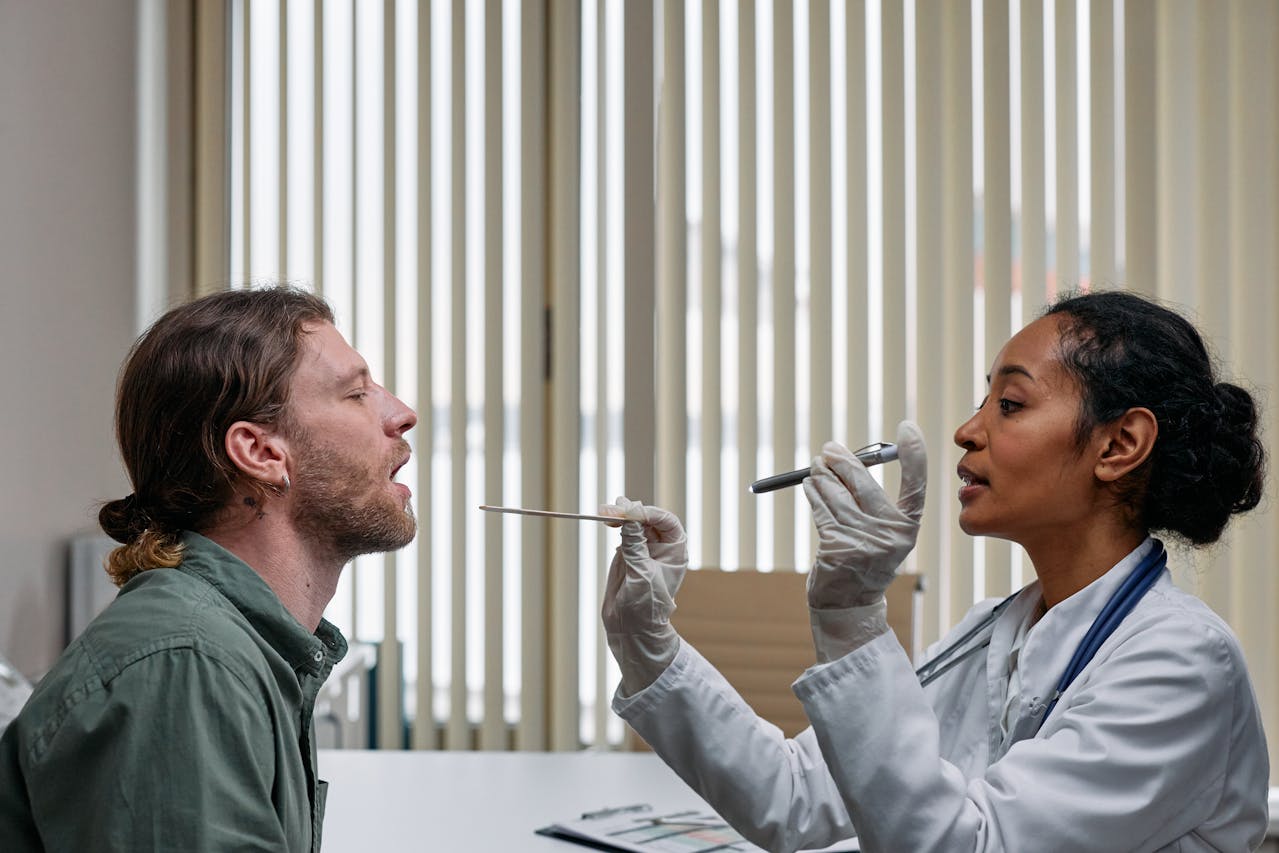
Healthcare can feel overwhelming, especially when a doctor recommends seeing a specialist for the first time. Most people grow up familiar with the idea of a family doctor or general practitioner, but the reality is that modern medicine covers a wide range of conditions that require focused expertise, dedicated equipment, and years of additional training beyond general practice.
Whether it is a concern about the heart, the lungs, the skin, or something as specific as identifying a fungal infection through laboratory testing, there is a specialist trained specifically for that area. This article walks through some of the most common types of specialist care that patients encounter, what each one involves, and where these services are generally found. The goal is simply to give patients a clearer picture of what to expect so that a referral feels less like an unknown and more like a logical step toward better health.
Cardiology
Cardiology is the branch of medicine focused on the heart and blood vessels, and cardiologists are consulted when a patient shows signs of heart disease, irregular heartbeat, high blood pressure complications, or other cardiovascular concerns. A cardiologist may order diagnostic tests, prescribe medications, or coordinate with surgeons if an interventional procedure is needed.
Cardiology services are available in general hospitals, specialized heart centers, and outpatient clinics. Because heart conditions can develop gradually without obvious symptoms, cardiology care is often important even when a patient feels relatively well.
Orthopedics
Orthopedic specialists focus on the musculoskeletal system, which includes bones, joints, muscles, tendons, and ligaments. Patients may be referred to orthopedics for conditions like fractures, arthritis, sports injuries, spinal issues, or persistent joint pain that does not respond to conservative treatment.
Orthopedic care is offered in general hospitals, orthopedic-specific clinics, rehabilitation centers, and sports medicine facilities. Because musculoskeletal issues can affect mobility and quality of daily life, orthopedic evaluation is often recommended sooner rather than later to prevent further complications.
Oral Surgery
Oral surgery is a specialty that handles procedures involving the mouth, jaw, teeth, and surrounding facial structures that go beyond what a general dentist is trained to perform. Patients are typically referred to an oral surgeon for things like impacted wisdom teeth, jaw misalignment, dental implant placement, or injuries affecting the face and mouth.
Oral surgeons work in private oral surgery clinics, such as Mill Creek Dental, as well as dental hospitals and within the dental departments of larger medical centers. Understanding what an oral surgeon does helps patients feel less anxious when a referral is made, since the specialty is well-established and handles a wide range of concerns with precision and care.
Pulmonology
Pulmonology is the specialty dedicated to the respiratory system, particularly the lungs and airways. Pulmonologists are involved in the care of patients with conditions like asthma, chronic obstructive pulmonary disease, sleep apnea, pulmonary fibrosis, or recurring respiratory infections.
This type of specialist care is available through hospital-based respiratory medicine departments, outpatient pulmonology clinics, and sleep study centers. Respiratory health is closely connected to overall well-being, so pulmonology referrals are common when breathing difficulties persist or worsen over time.
Dermatology
Dermatology covers conditions affecting the skin, hair, and nails, and dermatologists are trained to diagnose and manage both cosmetic and medical skin concerns. Patients visit dermatologists for issues ranging from chronic conditions like eczema and psoriasis to suspicious skin growths that need to be evaluated for possible malignancy.
Dermatology services are widely available in private practices, hospital outpatient departments, and specialized skin clinics. Skin conditions are sometimes the first visible sign of internal health issues, which is one reason dermatology plays a meaningful role in broader health monitoring.
Endocrinology
Endocrinology is the field that deals with hormones and the glands that produce them, covering conditions like diabetes, thyroid disorders, adrenal problems, and reproductive hormone imbalances. Patients are referred to an endocrinologist when their hormone levels are abnormal or when a glandular condition needs long-term management beyond what a general practitioner can provide.
Endocrinology departments are found in hospitals, diabetes care centers, and specialty outpatient clinics. Because hormones affect nearly every system in the body, endocrine disorders can have wide-ranging effects that make specialist involvement particularly valuable.
Neurology
Neurology addresses disorders of the brain, spinal cord, nerves, and muscles, and neurologists are consulted for conditions such as epilepsy, migraines, multiple sclerosis, Parkinson’s disease, and stroke. A neurological evaluation typically involves a detailed review of symptoms, physical and cognitive assessments, and imaging or nerve conduction studies when needed.
Neurology services are available in hospital neuroscience departments, outpatient neurology clinics, and academic medical centers. Because neurological conditions can be complex and progressive, early specialist involvement often makes a significant difference in how well a condition is managed over time.
Gastroenterology
Gastroenterology covers the digestive system, which includes the esophagus, stomach, intestines, liver, pancreas, and gallbladder. Gastroenterologists manage conditions such as irritable bowel syndrome, inflammatory bowel disease, acid reflux, liver disease, and colorectal concerns that require diagnostic procedures like endoscopy or colonoscopy.
Care is provided in hospital gastroenterology units, digestive health clinics, and outpatient endoscopy centers. Digestive health often goes unaddressed for longer than it should because symptoms are sometimes dismissed as minor, but gastroenterology referrals can catch serious conditions early, when outcomes are generally better.
Fungal Infection Diagnostic Lab Testing
Fungal infection diagnostic lab testing is a service that identifies whether a patient has a fungal infection and, if so, what type it is. This kind of testing matters because fungal infections can mimic other conditions, and treating them effectively depends on accurate identification of the specific organism involved.
Laboratories, such as Lab Pros, are typically found within independent medical diagnostic centers, hospital laboratory departments, and larger clinics that handle infectious disease cases. Patients are usually referred for this type of testing by their primary care doctor or an infectious disease specialist when symptoms suggest a fungal cause or when standard treatments have not produced results.
Infectious Disease Specialists
Infectious disease specialists focus on diagnosing and managing infections that are complex, unusual, or not responding to standard treatment, including bacterial, viral, parasitic, and fungal conditions. They are often called upon in hospital settings when a patient has a persistent or unidentified infection, or when a patient is immunocompromised and at higher risk for serious complications.
Infectious disease services are most commonly based in hospital departments, though some outpatient infectious disease clinics exist in larger cities and academic medical centers. Their involvement is especially important in cases where the source of infection is unclear, because identifying the correct cause is what determines whether the treatment plan will actually work.
Specialist care is a normal and often necessary part of managing health across a lifetime. Most people will be referred to at least one specialist at some point, and understanding what different specialists do makes those experiences far less intimidating. From cardiology and neurology to oral surgery and fungal infection diagnostic lab testing, each specialty exists because certain conditions genuinely require a deeper level of knowledge and tools than general medicine can offer.
Being informed about the types of care available is one of the most practical things a patient can do for themselves. When a referral comes, it is not a cause for alarm but rather a sign that the healthcare system is working the way it is supposed to, connecting patients with the right expertise at the right time.
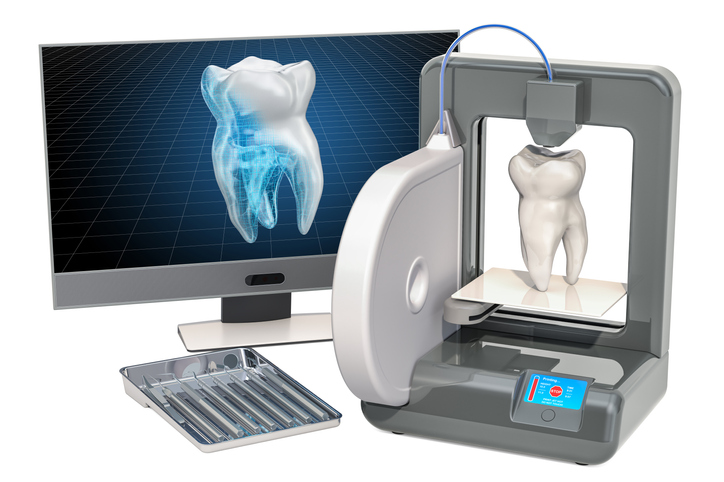
Digital tools are changing how you see the dentist and how you feel in the chair. You now book visits online, fill out forms on a phone, and view X-rays on a screen beside you. This gives you control, clear choices, and fewer surprises. It also cuts wait times. Today, Family dentistry in Applewood Mississauga uses digital records, photos, and scans to plan care that fits your mouth and your schedule. You see what the dentist sees. You can ask better questions. You get clear steps for what comes next. This shift is not about gadgets. It is about trust, comfort, and respect for your time. Digital tools reduce repeat visits, shorten procedures, and help catch small problems before they grow. You walk out feeling informed, heard, and ready for the next visit.
How Digital Tools Change Your Visit From The Start
Your visit now starts long before you sit in the chair. You feel the change from the first click.
- You book and change visits online without phone calls.
- You complete health forms on a phone or computer at home.
- You get reminders by text or email, so you forget less often.
This reduces waiting room time and stress. You arrive with less pressure. Your dental team has your history ready. They can focus on you instead of the paper.
The Centers for Disease Control and Prevention explains how electronic records support safer care and fewer mistakes. You can read more about that in the CDC guide on health data and quality.
Seeing Your Mouth In Real Time
In the chair, digital tools let you see clear pictures of your own teeth and gums. You no longer guess what a problem looks like. You see it on a screen.
- Digital X-rays use less radiation than film X-rays.
- Intraoral cameras show close-up images of cracks, wear, and plaque.
- 3D scans map your teeth for crowns, aligners, and mouth guards.
This makes it easier to understand why a dentist suggests a filling, crown, or cleaning plan. You can ask direct questions. You can weigh choices with facts, not fear.
Faster Visits With Less Discomfort
Digital tools also change how long you spend in the chair and how your mouth feels during and after care.
- Digital impressions replace trays filled with goo in many cases.
- CAD CAM systems can create some crowns in one visit.
- Digital planning helps shorten orthodontic visits.
This saves time away from work and school. It also cuts the number of injections and repeat visits for the same tooth. The result is less disruption in your life.
Comparing Traditional Care And Digital Care
| Aspect of visit | Traditional method | Digital method | Impact on you
|
|---|---|---|---|
| Booking | Phone calls during office hours | Online booking and text reminders | Less time on hold. Fewer missed visits. |
| Forms | Paper forms in the waiting room | Secure forms at home or on a tablet | Shorter waits. More privacy. |
| X rays | Film images on small slides | Digital images on a screen | Clear view of problems. Lower radiation. |
| Impressions | Mouth trays with putty | 3D digital scans | Less gagging. Faster results. |
| Treatment planning | Hand drawn notes and models | 3D models and photos | Simple steps. Easy to follow. |
| Records | Paper charts in folders | Electronic health records | Better tracking. Safer sharing with other providers. |
Safer Care And Stronger Prevention
Digital records help your dental team track changes over time. They can compare X-rays, photos, and notes from visit to visit. They can spot decay, bone loss, or wear early.
This allows three key gains for you.
- Early treatment of small problems before they cause pain.
- Better tracking of gum health and bone levels.
- Clear links between your mouth health and your body health.
The National Institute of Dental and Craniofacial Research shares evidence on how prevention and early care protect long-term health.
Support For Children, Seniors, And Families
Digital tools help people at every age stage.
For children, pictures on a screen can turn fear into curiosity. A child can see a cavity as a small dark spot. That can make brushing feel more urgent and more real.
For adults with busy jobs, online forms and shorter visits reduce stress. You can plan care around work and family.
For seniors, digital records support safer care when you take many medicines or see more than one provider. Your dentist can share records with doctors when needed. This reduces mix-ups.
Your Role In A Digital Dental Visit
Digital tools work best when you take an active role. You can use them to speak up, not to stay silent.
During your visit, you can:
- Ask to see your X-rays and photos.
- Ask for a clear summary of what the images show.
- Request written steps for home care and next visits.
After your visit, you can:
- Use patient portals to review notes and future dates.
- Send follow-up questions through secure messages if offered.
- Store visit reminders on your phone or calendar.
Looking Ahead To Your Next Appointment
Digital technology is not a trend. It is now part of routine dental care. It changes how you book, how you sit in the chair, and how you feel when you leave.
You gain three powerful benefits.
- More control over your time and choices.
- Clearer understanding of your mouth health.
- Stronger trust through honest pictures and records.
At your next visit, you can notice each digital step. You can ask how it protects you and your family. You deserve care that respects your time, your body, and your voice. Digital tools help make that real.

How to Choose a Luggage Case That Is Suitable for Travel

What to Consider When Buying Used Transmissions

How Roof Racks Make Family Road Trips More Comfortable

AI + ERP: How Odoo is evolving in the AI-First era | Insights from PowerGate Software

11 Home Repairs That Actually Matter and What to Expect From Each One

Red Rocks Shuttle: A Convenient Red Rocks Ride for Concert Fans

Why Vertical Water Storage Tanks Are Essential for Reliable Water Supply

What Kind of Specialist Do You Need

Why Batch-Style Powder Curing Ovens Are Ideal for Low-Volume Production

The Benefits of Individualized Patient Care for Everyone
-

 All1 week ago
What Every Casino Player Needs to Know About Gambling Taxes in 2026
-
 News1 week ago
11 Home Repairs That Actually Matter and What to Expect From Each One
-
 Tech7 days ago
AI + ERP: How Odoo is evolving in the AI-First era | Insights from PowerGate Software
-
 All13 hours ago
What to Consider When Buying Used Transmissions
-
 Life Style14 hours ago
How Roof Racks Make Family Road Trips More Comfortable
-
 All13 hours ago
How to Choose a Luggage Case That Is Suitable for Travel