
News
Decorative Wooden Pins


Decorative Wooden Pins for Your Hat, Jacket, or Bag;
Decorative wooden pins can add a unique and personal touch to your hat, jacket, or bag. They can be made in a variety of shapes, sizes, and designs, and can be worn to express your personality, interests, or style. Wooden pins can also be used to dress up a plain outfit or add some colour to a dull accessory. They are a versatile and affordable way to accessorise and can be worn by people of all ages. Consider wearing a wooden pin on your hat, jacket, or bag to add some flair and interest to your look.
Here are some ideas for decorative wooden pins that you can use to accessorise your hat, jacket, or bag:
- Floral-themed pins: These could feature carved or painted flowers and plants, and would be perfect for adding a touch of nature to your outfit.
- Animal-themed pins: These could feature carved or painted animals, and would be a fun way to show off your personality.
- Geometric-shaped pins: These could feature abstract shapes and patterns, and would add a modern touch to your look.
- Artistic pins: These could feature intricate designs or paintings, and would be a great way to show off your artistic side.
- Whimsical pins: These could feature playful designs or characters, and would be a fun addition to any outfit.
- Hand-lettered pins: These could feature words or phrases hand-painted or carved onto the wooden pin, and would be a unique way to express yourself.
- Personalised pins: These could feature your name or initials, and would make a thoughtful gift for someone special.
No matter which style you choose, decorative wooden pins are a great way to add a little something extra to your hat, jacket, or bag.
Beautiful and Durable Wooden Pins to Brighten Up Your Day;
Here are some ideas for beautiful and durable wooden pins that can brighten up your day:
- Vibrant-coloured pins: These could feature bright, bold colours and would be sure to add a pop of cheer to any outfit.
- Hand-painted pins: These could feature intricate designs or patterns painted onto the wooden pin, and would be a unique and artful addition to your collection.
- Laser-engraved pins: These could feature precise, detailed designs that have been etched into the wood using a laser. These pins would be very durable and would have a polished, professional look.
- Wood-burned pins: These could feature designs or patterns that have been burned into the wood using a wood-burning tool. These pins would have a rustic, handmade feel.
- Resin-covered pins: These could feature a layer of resin over the top of a wooden pin, which would add a glossy, protective finish and make the pin more durable.
Add Some Personality to Your Wardrobe with Wooden Pins
Wooden pins are a fun and stylish way to add some personality to your wardrobe. Whether you prefer bold and vibrant colours, intricate and artistic designs, or playful and whimsical themes, there’s a wooden pin out there for you. These pins are also very versatile and can be worn in a variety of ways. You can pin them to your hat, jacket, bag, or even your shirt or dress. This makes them a great accessory for any occasion, whether you’re heading to work, running errands, or going out with friends.
One of the best things about wooden pins is that they are often handmade, which means each one is unique and special. You can find wooden pins that have been carved, painted, laser-engraved, wood-burned, or even resin-covered. This allows you to choose a pin that reflects your personal style and taste. You can also find wood pins that are personalised, with your name or initials carved or painted onto the pin. This is a great way to make a statement and show off your individuality.
In addition to being stylish, wooden pins are also very durable. Many are made from high-quality wood and are coated with a protective finish to make them resistant to wear and tear. This means that you can enjoy your wooden pin for a long time and it will remain looking beautiful.
So why not add some personality to your wardrobe with a wooden pin? Whether you choose a colourful, artistic, or personalised pin, it’s sure to make a statement and brighten up your day. Plus, with so many different styles and designs to choose from, you can always find a wooden pin that speaks to you.
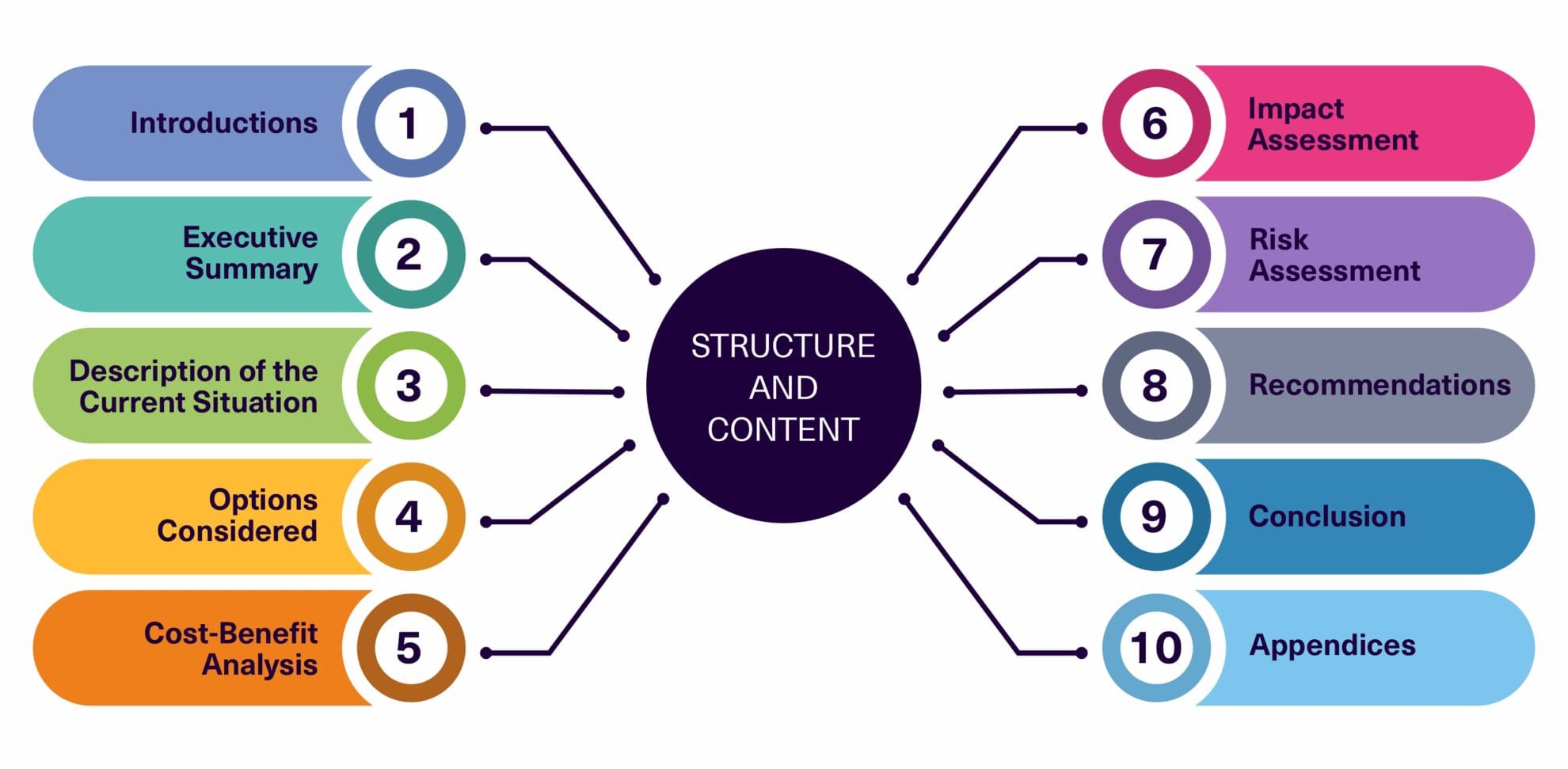
A finished project gives a business something more useful than another claim about excellent service: an opportunity to explain how it works. Yet a case study can lose that value when it becomes a string of compliments without dates, decisions, or supporting evidence.
Consider a fictional web agency that simplified an appliance repair shop’s booking page. Rather than announcing a successful transformation, the agency could show what customers struggled with, which changes were made, and what happened afterward. Here is how to develop that account responsibly.
Choose a Problem Your Readers Recognize
Start with the client’s original difficulty, not your company biography. In the example, customers were calling because they could not tell which appliances the shop accepted or whether an inspection carried a fee.
Google’s guidance encourages content that demonstrates firsthand experience and helps an intended audience achieve its goals.
Choose a project that lets you explain a relevant decision. A modest improvement with clear records gives you something concrete to discuss.
Write one sentence describing the reader’s likely question: “How can we reduce confusion before customers book?” Keep that question beside the outline.
Avoid stretching the project into evidence for services it never involved. A booking page redesign is not automatically a complete digital transformation.
Put Results in Their Proper Context
Decide what you measured before selecting a headline. Keep the reporting periods, source records, and definitions available for checking.
Suppose the fictional shop received 60 inquiries from 2,000 website visits before the update and 96 from 2,400 visits afterward. The inquiry rate increased from 3 percent to 4 percent: one percentage point.
The inquiry total rose by 60 percent, but visits also increased. Those figures describe different aspects of the result and should not be treated as interchangeable.
Define an inquiry before counting it. Apply the same rules to spam and duplicate messages in both periods, and explain whether the total includes every submission or only requests the business could realistically turn into work.
Check whether advertising, seasonal demand, opening hours, or staffing also changed. A comparison alone cannot establish that the redesigned page caused every improvement.
Use equivalent periods and consistent measurement methods. Explain missing information rather than selecting the most flattering figure and leaving readers to guess its meaning.
Show the Decisions Behind the Outcome
Describe what changed and why. For the repair shop, the agency might have added an accepted appliances list, clarified inspection charges, and shortened the booking form.
Include an annotated comparison when it explains something the text cannot easily show. Remove private details before publishing screenshots.
Digital.gov recommends active voice and language appropriate to the audience. Replace “customer engagement optimization was implemented” with “we added the information customers repeatedly requested.”
Describe one constraint, such as a limited budget or a requirement to keep the existing booking system. Explain how it affected the solution.
Credit the client’s contribution and identify anything that did not work. A useful account shows judgment, not a process that supposedly encountered no difficulties.
Review the Writing Separately From the Evidence
Draft from project notes, not from another company’s success story. Keep quotations exact and give the relevant person an opportunity to check how their words are presented.
Using an AI checker free of charge may provide a signal about a draft’s possible origin, but it does not verify the project’s results. The 2024 RAID study found weaknesses in tested detection systems when handling unfamiliar generators and variations in generated text.
Retain drafts and ask contributors to explain unclear passages rather than treating a classification as proof.
Check numbers against the original records and claims against the agreed work. Remove invented testimonials and unsupported guarantees, even when they make the story sound more persuasive.
Agree What Can Be Published
Before preparing the final page, confirm permission to use the client’s name, quotations, photographs, and results. Keep the approval with the exact version reviewed.
The UK’s National Cyber Security Centre advises against putting sensitive information into prompts submitted to public language models. Use fictional details while experimenting with drafting assistance.
Inspect screenshots for email addresses, account identifiers, and unrelated customer records. A cropped dashboard still deserves a careful review.
Where the client prefers anonymity, consider whether the remaining details could identify them. Agree what context can safely remain.
Separate confidential supporting records from public materials. Readers need enough information to understand the result, not unrestricted access to the client’s business.
Make the Finished Page Easy to Use
Give the article a descriptive title and clear sections covering the problem, approach, and outcome. W3C recommends meaningful headings and text alternatives that explain informative images.
State the project dates and review the page when important details change. Keep historical results clearly identified rather than presenting them as current performance.
Ask someone unfamiliar with the assignment to explain what the business did and what the evidence supports. Revise anything they misunderstand.
End with a relevant next step, such as reviewing the reader’s own booking process. A worthwhile case study should help someone make a better decision, not simply admire yours.

Your home is constantly exposed to changing weather conditions, from heavy rainfall and strong winds to intense sunlight and fluctuating temperatures. Over time, these elements contribute to exterior deterioration and structural damage. Without proper protection, even minor weaknesses in a home’s exterior may lead to expensive repairs and reduced indoor comfort.
Investing in weather-resistant home improvements strengthens the property’s exterior and prepares it for seasonal challenges. Upgrading essential components also supports energy efficiency and protects indoor spaces from moisture. Here are several important improvements worth considering to keep your home better protected against the elements.
Improve Exterior Waterproofing
Water intrusion is a common cause of residential property damage, particularly in areas that experience frequent rainfall or high humidity. Moisture often enters through foundation cracks, basement walls, poorly sealed joints, and other vulnerable exterior surfaces. Addressing these weak points through professional waterproofing helps prevent water from reaching interior spaces.
Exterior waterproofing involves applying protective membranes or specialized coatings to surfaces exposed to groundwater and rain. Foundation walls benefit from these treatments because they limit moisture penetration and reduce the risk of damp conditions inside basements. Proper grading around the property also directs rainwater away from the foundation instead of allowing it to collect near the structure.
Homeowners should inspect exterior walls and foundations for visible cracks and peeling coatings. Dealing with these issues early lessens the likelihood of mold growth and structural deterioration. When signs of moisture intrusion appear or waterproofing needs are beyond routine maintenance, consider reaching out to experienced waterproofing professionals, such as those from GY6 Built LLC. They can assess vulnerable areas and ensure protective measures are properly installed.
Maintain Roofing Systems
A home’s roof absorbs direct exposure to rain, wind, sunlight, and other environmental conditions. Its condition affects the protection of the entire structure. Missing shingles and damaged roof sections often provide entry points for water, leading to leaks and interior damage.
Routine roof inspections are essential for identifying potential problems before they become extensive repairs. Homeowners should pay attention to cracked roofing materials and deteriorating seals around chimneys or vents. Addressing these concerns promptly preserves the roof’s protective performance.
For older roofing systems, replacing worn materials with weather-resistant alternatives may offer a worthwhile long-term investment. Metal roofing and architectural asphalt shingles provide different levels of protection depending on installation quality and climate conditions. Proper attic ventilation also deserves attention because trapped heat and moisture contribute to premature roof deterioration
Install Durable Siding
Siding serves as one of the primary protective barriers between a home’s structure and outdoor conditions. It shields exterior walls from rain, wind, sunlight, and temperature changes. Damaged or aging siding, however, leaves the underlying materials vulnerable to moisture intrusion and gradual deterioration.
Replacing outdated siding with durable materials strengthens the exterior and improves long-term weather resistance. Fiber cement siding offers impressive durability and resistance to moisture and fire. Vinyl siding provides another practical option because it resists water exposure and requires relatively little maintenance. Engineered wood siding also offers an attractive appearance when properly manufactured and maintained for exterior use.
The right siding material depends on the local climate and overall property design. Professional installation remains essential because improperly fitted panels or inadequate flashing may allow water to enter behind the exterior surface. Consulting experienced siding contractors, like those from 5280 Exteriors, help homeowners ensure proper installation and avoid common issues that could compromise the home’s exterior protection.
Upgrade Gutters and Drainage
Effective drainage protects the home by directing rainwater away from the roofline and foundation. Gutters collect runoff from the roof and channel it toward designated drainage areas. When these systems become clogged or improperly positioned, water may overflow and accumulate near vulnerable parts of the property.
Upgrading gutters with durable materials and appropriately sized components improves their ability to manage heavy rainfall. Seamless aluminum gutters are a popular option because they have fewer joints where leaks might develop. Installing suitable downspouts also ensures that collected water moves away from the foundation rather than pooling around the building.
Homeowners should clean gutters regularly to remove dirt and other debris that restrict water flow. Checking for loose brackets and leaking joints also preserves proper operation. Extending downspouts or installing suitable drainage solutions further reduces the risk of soil erosion and foundation moisture problems.
Seal Windows and Exterior Openings
Small gaps around windows and doors as well as other exterior openings often become entry points for rainwater and unwanted air. Damaged weatherstripping or deteriorating caulk compromises the building envelope, allowing moisture to seep indoors during storms. These openings also contribute to drafts and inconsistent indoor temperatures.
Applying high-quality exterior caulk around window frames and door openings provides an additional barrier against water penetration. Weatherstripping helps close gaps around movable components, limiting air leakage and improving indoor comfort. Homeowners should also inspect the seals around utility penetrations and other openings that pass through exterior walls.
For older or poorly insulated windows, upgrading to weather-resistant models offers another practical improvement. Modern windows with insulated glass and properly designed frames provide better protection against outdoor conditions. Correct installation is equally important because even high-quality products require secure sealing to perform effectively.
Protecting a home from harsh weather requires consistent attention to its exterior condition. Improvements to waterproofing, siding, roofing, drainage, and window seals address common vulnerabilities that contribute to residential damage. Each upgrade serves a specific purpose in preserving the building’s structure and maintaining a comfortable indoor environment.
Homeowners should prioritize improvements based on the property’s age and exposure to local weather conditions. Scheduling professional inspections also provides valuable insight into areas that need immediate attention. With proper maintenance and well-planned upgrades, your home will be better prepared to withstand seasonal weather challenges and retain its value for years to come.

A commercial roof often goes unnoticed until a leak appears or severe weather exposes a weakness. For business owners, however, the condition of the roof deserves attention long before problems arise. It serves as the first line of defense against the elements, protecting the building and the daily activities taking place inside. The quality of its installation also influences how well the entire roofing system performs over time.
Choosing professional commercial roofing installation is an investment in the property’s long-term condition. Experienced roofing contractors understand the demands of commercial structures and the importance of installing a roof according to the building’s specific requirements. Their expertise supports dependable performance, reduces the likelihood of avoidable repairs, and protects the business from unnecessary disruptions.
Ensuring Reliable Weather Protection
Commercial roofs face constant exposure to changing weather conditions. Heavy rainfall, strong winds, intense sunlight, and fluctuating temperatures gradually test the strength of roofing materials. Poor installation leaves vulnerable areas where moisture may penetrate the structure, eventually damaging ceilings and interior finishes.
Professional installation addresses these risks through proper material placement and careful attention to vulnerable roof sections. Contractors assess drainage requirements, secure roofing components, and ensure that seams and flashing receive appropriate treatment. These details establish a more dependable barrier against water intrusion.
For business properties, effective weather protection is essential to maintaining a safe and functional indoor environment. A properly installed roof reduces the risk of water-related damage that might otherwise interrupt normal operations.
Extending Long-Term Roof Performance
Commercial roofing systems represent a substantial property investment. Their service life depends partly on material quality, but installation workmanship also plays a significant role. Even durable roofing products may deteriorate prematurely when installed incorrectly.
Professional roofing contractors follow manufacturer specifications and established installation practices to support the intended performance of the roofing system. They also account for factors such as roof slope, drainage patterns, and the building’s structural characteristics.
This attention to detail lessens the likelihood of premature deterioration caused by installation errors. For property owners, a well-installed roof offers a more dependable foundation for long-term maintenance planning and future budgeting.
Reducing Unexpected Repair Expenses
Roofing problems rarely remain confined to the original point of failure. A small leak might eventually damage insulation, weaken interior materials, or affect equipment stored beneath the roof. If the issue goes unnoticed, the resulting repair bill may exceed the cost of addressing the original defect.
Professional installation reduces the likelihood of these avoidable expenses by prioritizing proper preparation and precise workmanship. Contractors identify potential concerns before installation and address details that could otherwise compromise the finished system.
Although professional installation may require a higher initial investment than an inadequately performed job, the long-term financial benefits often justify the expense. Fewer installation-related problems also support more predictable maintenance costs throughout the roof’s service life.
Maintaining Safe Business Operations
A damaged or poorly installed roof poses risks beyond the building itself. Water entering the property may create slippery floors, damage electrical equipment, or threaten inventory. In commercial environments, these problems introduce safety concerns and potentially disrupt employee productivity.
Professional commercial roofing installation establishes a stronger foundation for protecting the people and assets inside the building. Contractors also follow appropriate safety procedures during the project, minimizing risks associated with working at height and handling roofing materials.
A dependable roofing system supports business continuity by reducing the likelihood of weather-related interruptions. This reliability matters particularly for facilities that depend on consistent indoor conditions to serve customers or maintain daily operations.
Protecting Property Value
The condition of a commercial roof influences how prospective buyers, tenants, and property managers evaluate a building. Visible deterioration or a history of recurring leaks may raise concerns about future expenses and overall property maintenance.
A professionally installed roof demonstrates attention to the building’s upkeep. Installation records and applicable warranties also provide useful documentation when evaluating the property’s condition.
Ultimately, professional commercial roofing installation supports the long-term value of business properties. By prioritizing quality workmanship from the beginning, owners position their buildings for reliable performance and more manageable maintenance needs. Choosing an experienced commercial roofing contractor is therefore a practical decision that extends beyond the installation itself. It establishes a foundation for protecting the property, supporting daily operations, and preserving the value of a significant business asset.
Mega Cricket World app security guide for Bangladeshi players
Krikya11 Bangladesh Bonus Guide – Welcome Offer, Wagering Requirements & Promotions
Krikya App Registration Steps for Bangladeshi Players – Complete Guide
RBajee Overview and Options for Bangladeshi Players
JW8 অ্যাপ ওভারভিউ ও অপশন গাইড

Why Professional Commercial Roofing Installation Matters for Business Properties
Trek with Beck Dandenong Guide: A Private, Premium Adventure Experience

5 Essential Home Improvements for Better Weather Protection
KMS Pico Security and Reliability: What You Need to Know
MagicianBet login guide: Easy step‑by‑step for Canadian players
-
All4 days ago
Oshi Casino Australia – Complete Guide to Sign‑Up, Bonuses, Payments & Mobile Play
-
All3 days ago
Hibajee official website bonus guide – Welcome offers for Bangladeshi players
-
All3 days ago
Cv66: What Bangladeshi Players Need to Know
-
All3 days ago
JW8 বাংলাদেশ ওভারভিউ ও অপশন গাইড
-
All3 days ago
Crickex BD official website – what Bangladeshi players need to know
-
All4 days ago
Hugo Bets Bonus: Guia completo, requisitos e como receber em Portugal
-
All3 days ago
CK444 online security guide
-
All4 days ago
Gt Bets app payment methods for Australian players