
Travel
10 Smart Tips for an Unforgettable Road Trip Adventure


Hit the open road with confidence and joy — whether it’s a weekend escape or an extended cross-country journey. A road trip is more than just moving from point A to point B; it’s about stories, memories, and the unexpected moments you’ll cherish forever. From careful planning to smart gear choices, here are ten tips to make your next road trip smooth, fun, and unforgettable.
1. Start With a Flexible Plan
Before you set off, outline a general route and list must-see stops. Use travel apps, GPS, or even good old-fashioned paper maps for backup. But don’t schedule everything too rigidly — part of the magic of a road trip is discovering places you didn’t know about beforehand. Stay open to detours and spontaneous adventures.
2. Choose the Right Company
Traveling with the right people can make or break your journey. Make sure everyone has a clear idea of what they want from the trip, from activities to daily pace, and be ready to compromise when needed. Great communication is key.
3. Check Your Vehicle
Whether you’re using your own car or a rental, give it a thorough once-over before departure. Inspect tires, oil, brakes, lights, and make sure your insurance covers roadside assistance. A little prep goes a long way in avoiding avoidable breakdowns.
4. Mind Your Driving Pace
Long hours behind the wheel can lead to fatigue. Break up long stretches with regular stops — grab dinner, see a landmark, or simply stretch your legs. Pacing yourself keeps you alert and energized for more of the fun parts of the journey.
5. Fuel and Budget Smartly
Plan fuel stops where prices are reasonable and your tank isn’t running low. Filling up in smaller towns rather than highway service stations often saves money. Budgeting ahead helps keep unexpected costs from overshadowing the experience.
6. Pack Essentials (and Snacks!)
Bring snacks, water, and meals that are easy to eat on the road. Favorites like sandwiches, fruit, or homemade treats can boost morale and keep costs down. Don’t forget a reusable water bottle and healthy options for long drives.
7. Keep Your Valuables Safe
Make sure electronics, cameras, and personal items aren’t on display inside your car when parked. Keeping them in a backpack or tucked away reduces the risk of theft. Well-lit parking and guarded lots are always best.
8. Entertainment Matters
Good music, podcasts, audiobooks, or a shared playlist can turn hours on the road into a highlight of your trip. Prepare a variety of entertainment to suit everyone in the car — sometimes classic hits and regional tunes provide the best memories.
9. Bring the Right Tech
Modern road trippers depend on devices for navigation, photography, weather updates, and communication. A portable power station is one of the smartest pieces of gear you can bring. Unlike simple phone chargers, a high-capacity power station keeps multiple devices charged, runs small appliances, and supports electronics when outlets are scarce — perfect for camping stops or remote locations.
10. Keep Your Camera Handy
Some of the most memorable moments happen when you least expect them. Keeping your camera or smartphone within easy reach means you’re always ready to capture those sweeping landscapes, roadside gems, or silly moments with your travel companions.
Conclusion
A well-planned road trip mixes preparation with spontaneity. From thoughtful stops to packing smart essentials like snacks, maps, and tech gear, you’re setting yourself up for an adventure worth remembering. If you want to take your travels to the next level, gear up with reliable power solutions — and that starts with excellent picks from ALLPOWERS.

Travel to Phuket needs to look for comfortable resorts to stay in. Most travelers look for all-inclusive resorts to check the prices.
Find affordable resorts
You can stay in one of the two beachfront upscale resorts on:
- Karon Beach
- Kamala beach
These are the most renowned beaches. Both beaches suit for:
- families
- honeymooners
The family friendly beachfront resorts are perfect for family bondings. The resort has:
- swimming pools
- giant water park
These are where everyone can enjoy. The resort is perfect for those who love nature, with the botanical gardens. You will be refreshed by the fresh air in the resort. It is a perfect spot to release a tired body from work. It is not true that Phuket resorts are expensive. In fact, they are one of the most affordable tourist destinations in Asia.
You can stay in the Beach Village Resort and relax in a spa. These are best for couples, being in a private beach location. You can locate the place through:
- 10-minute drive from Patong
- 5-minute drive from Kamala Beach
Relaxing tropical stay experiences
Many travelers choose to visit Phuket because of the tropical experience. More relaxing beaches are on their beautiful spots while enjoying a spa retreat. You can relax while surfing at Kata Beach. It is the sweet spot in Phuket, where plenty of restaurants and activities are accessible. It maintains the easy-going charm of the place.
Kata has two adjacent beaches, namely:
- Kata Yai
- Kata Noi
Beaches have soft white sand and clear water. This is really picturesque. The bay is calm and great for snorkeling during high season.
Kata’s waves are attracting surfers in the low season. It gives a surf-town vibe with laid-back beach bars and board rental shops. Kata has a friendly international feel. Here is what you found along the streets:
- local Thai eateries
- reggae bars
- Italian bistros
- sushi joints
- tailors
- massage shops
- minimarts
You will enjoy all these from an all-inclusive report package.
Activities included
The nightlife in Kata is more about:
- chilling at the beachside restaurant
- drinking a cocktail at mellow bars
The scene is less rowdy. It is more sophisticated than Patong.
Families love Kata because of its safe swimming. Couples appreciate the romantic sunset view of the beach. More dining options are available. Peak months are busy, yet Kata rarely feels overwhelmed. It retains a cozy village atmosphere.
FAQs
Who is best for Kata travel in Phuket?
Families and couples are the best travelers to visit Kata. It has a balanced beach holiday. Kids and adults can enjoy it. There are activities and dining places where you can stop to try their local foods.
Which of the two popular beaches is more appreciated?
Parents appreciate the kid-friendly nature of Kata Yai and the mid-range resorts with family amenities. Couples choose Kata Noi for a quieter, idyllic escape.
When do surfers visit Kata?
Surfers visit Kata from June to September. These months are the best season for surfers.
When to go for a bigger night out?
Head to Patong if you crave a bigger nightlife experience. Patong is a 15 minutes drive to Kata.
Is Phuket town’s cultural charm included in the package?
Almost all inclusive resort packages include visiting cultural charms. You will be discovering the local life in Phuket. Phuket’s capital city is away from the beaches. Yet it offers a completely different vibe. Travelers visit Phuket Old Town. The town is the cultural and food hub in the island.
Are there all inclusive luxury resorts accessible in Phuket?
Phuket Town’s accommodations have charming hotels. They have affordable guesthouses too. Some luxury hotels are:
- SINAE Phuket Luxury Hotel
- The Memory at On On Hotel
- Casa Blanca Boutique Hotel
- Courtyard by Marriott Phuket Tow
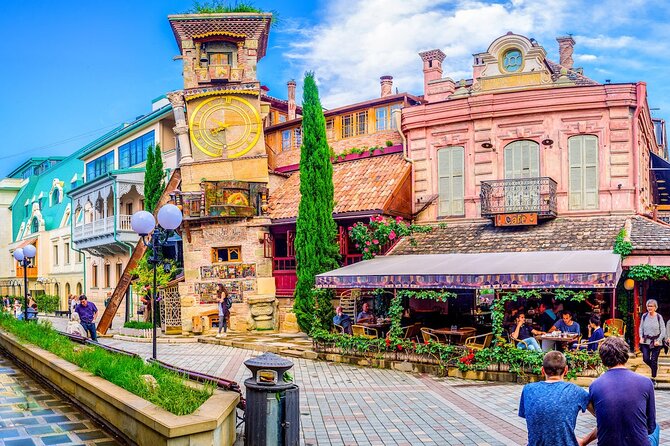
Tbilisi, the heart of Georgia, offers a rich blend of history, culture, and stunning landscapes. While the city is walkable, renting a car provides the best way to explore its many attractions and surrounding areas at your own pace. In this guide, we’ll show you how to navigate Tbilisi’s must-see sights while offering advice from marketing communications expert Nodar Darsavelidze on the best routes and parking tips for car renters.
1. Begin Your Adventure at Freedom Square
Start your journey at Freedom Square, the bustling center of Tbilisi. It’s a great spot to get your bearings and take in the city’s energy. Nearby attractions like Rustaveli Avenue and the Georgian National Museum are within walking distance, and parking is generally available at various public parking lots nearby.
- Must-see spots around Freedom Square:
- Rustaveli Theatre – A cultural gem.
- Tbilisi Opera House – If you’re a fan of classical music and performances.
Expert Tip from Nodar Darsavelidze:
“Freedom Square is the ideal starting point. After you park your car, you can easily walk to several iconic spots. However, if you prefer a quicker start, use the parking facilities around Rustaveli Avenue, where you can also find easy access to cafes and shopping.”
2. Head to the Historic Old Town (Altstadt)
Tbilisi’s Old Town is a maze of narrow streets and beautiful architecture, best explored by foot. However, renting a car gives you flexibility to travel from one side of the Old Town to the other, allowing you to discover hidden gems.
- Main attractions in the Old Town:
- Narikala Fortress – Take your car to the base and either walk up or use the cable car to reach the top for panoramic views.
- Abanotubani (Sulfur Baths) – One of the oldest parts of Tbilisi, famous for its traditional sulfur baths.
- Sioni Cathedral – A historic church that’s a must-see for any visitor to Tbilisi.
Parking in the Old Town can be tricky, so it’s best to park at one of the public lots near Rike Park and walk the short distance to the historic sites.
3. Mtatsminda Park for the Best Views of Tbilisi
After soaking in the historic center, take a short drive up to Mtatsminda Park for a breathtaking view of Tbilisi. Located on a hilltop, it provides the best panoramic views of the entire city, especially at sunset.
- What to do at Mtatsminda Park:
- Enjoy the funicular ride to the top for a smooth journey up.
- Take a stroll through the park or dine in one of the many restaurants with stunning views.
Expert Tip from Nodar Darsavelidze:
“Driving up to Mtatsminda is a fantastic option, as it allows you to enjoy the hilltop views without the hassle of public transport. Just keep in mind that the roads can be narrow, so drive cautiously, especially in busy times.”
4. Explore the Tranquil Vake Park
If you’re in the mood for some greenery and relaxation, Vake Park is a peaceful retreat in the heart of Tbilisi. It’s perfect for a relaxing afternoon after visiting the city’s lively centers.
- What to do in Vake Park:
- Take a leisurely walk or rent a bike.
- Visit the nearby Tbilisi Zoo or enjoy a peaceful picnic by the lake.
Parking in the Vake area is relatively easy, with several designated parking spots near the park entrances.
5. Hidden Gems: Wine Regions and Beyond
If you’re looking to venture a little further out, Tbilisi is surrounded by beautiful regions like Kakheti, known for its wine-making, and Jvari Monastery, offering incredible views of the city. A rental car makes it easy to explore these places without relying on group tours.
- Nearby attractions to consider:
- Kakheti Wine Region – Explore vineyards and taste local wines.
- Jvari Monastery – A short drive from the city offering panoramic views of the river.
These destinations are perfect day trips, and a rental car allows you to explore them on your schedule.
6. Parking Tips for Tbilisi Drivers
Parking in Tbilisi can be a bit challenging in busy areas like Rustaveli Avenue or the Old Town, but with a bit of planning, you can easily find spots.
- Public Parking Lots: Major public parking lots are located near popular sites, such as Rike Park, Freedom Square, and Vake Park. Parking fees are reasonable, especially if you opt for hourly rates.
- Parking Apps: Use apps like Parkopedia to find available parking spaces in the city.
Expert Tip from Nodar Darsavelidze:
“In Tbilisi, parking apps are a great way to avoid wasting time looking for a spot. If you’re visiting popular sites, like the Old Town, try parking in central lots like those near Rike Park and then walk or use public transport to reach the attractions.”
Renting a car in Tbilisi allows you to experience the city’s blend of history, culture, and nature with ease. From the vibrant streets of Old Town to the tranquil views from Mtatsminda, having a car gives you the freedom to explore on your terms.

There’s no denying it—outdoor events are where brands come to shine… or sweat. Whether you’re setting up a trade show, festival, farmers’ market, or corporate gathering, your booth says everything about your brand before you even open your mouth. And when it comes to making a powerful first impression, nothing beats a well-designed 10×20 canopy.
It’s not just about providing shade (though that’s a sweet bonus). It’s about crafting a space that embodies your brand’s identity, tells your story, and draws people in like bees to honey—or better yet, like customers to great marketing.
So, let’s break down how to design a 10×20 canopy that doesn’t just sit there looking pretty but actively works to boost your brand awareness.
Step One: Start with the Right Foundation – The Power of the 10×20 Size
A 10×20 canopy is like a sweet spot for outdoor branding. Big enough to stand out, yet compact enough to manage easily, it’s the ideal size for most events. You get 200 square feet of usable space—plenty of room for product displays, seating, or interactive zones.
Compare that to smaller options, and you’ll quickly see why the 10ft x 20ft canopy tents are a fan favorite for both businesses and event organizers. The extra width allows you to create distinct sections: one for demos, one for chats, and one for product displays or giveaways.
It’s not just about fitting everything in—it’s about doing it strategically. A well-designed layout helps guide people naturally through your booth, maximizing engagement without making them feel like sardines in a can.
Step Two: Choose Quality – Because Durability Builds Credibility
Here’s a simple truth: a shabby tent reflects a shabby brand. That’s why you should never skimp quality when choosing your 10×20 canopy.
High-end heavy duty pop up canopy models are built to endure everything from surprise downpours to strong winds and blistering sun. Their frames—usually crafted from industrial-grade aluminum or steel—provide rock-solid stability, while the canopies themselves are made from waterproof, UV-protected, and fade-resistant fabrics.
When your setup looks professional and stays intact, it sends a clear message: your brand values excellence and reliability. And that message sticks long after the event ends.
Yes, premium canopies are more expensive—but that’s an investment in peace of mind. The difference between a bargain canopy and a heavy duty canopy becomes painfully clear when the weather turns rough (and your neighbor’s tent starts flying across the fairground).
Step Three: Branding That Pops – Literally and Visually
Now we’re getting to the fun part: design! Your 10×20 canopy isn’t just shelter—it’s a storytelling platform. Every inch of fabric can be used to communicate your brand’s essence.
Here’s how to get it right:
1. Use Consistent Brand Colors
Colors evoke emotion and recognition. Stick with your brand’s color palette to create an immediate visual connection. Bold colors grab attention, while clean contrasts (like white text on dark backgrounds) ensure legibility even from afar.
2. Feature Your Logo Prominently
Your logo is the face of your business—make sure it’s visible from all sides. The roof panels and valances (the strips that hang around the edges) are prime real estate for your logo placement.
3. Add Taglines or Calls to Action
A simple message like “Taste the Difference,” “Visit Our Website,” or “Scan to Win!” can work wonders. Keep it short, sweet, and memorable.
4. Incorporate Visuals and Imagery
Full-color graphics, product photos, or illustrations can give your booth a personality. Just ensure your imagery complements your brand message and doesn’t overwhelm the space.
With today’s advanced printing technology, 10ft x 20ft canopy tents can feature stunning, high-definition designs that are fade-resistant and long-lasting. Don’t settle for anything less—because if your brand deserves attention, your canopy should demand it.
Step Four: Make It Functional – Design for Experience
A beautiful canopy might grab attention, but a smartly designed one keeps people there. Here’s how to make your 10×20 canopy both practical and inviting:
- Add sidewalls for privacy or extra branding surfaces. They also protect from wind or sun glare.
- Include flooring to create a polished, cohesive look and keep things comfortable underfoot.
- Plan zones—a demo area, a conversation area, and a product display zone.
- Use lighting strategically. LED strips or spotlights make your booth stand out even after sunset.
Think of your canopy as your brand’s mobile headquarters. Every design choice—from layout to accessories—should enhance the customer experience.
Step Five: Tell a Story Through Design
People don’t just buy products—they buy experiences. So, use your 10×20 canopy to create an emotional connection with your audience.
If you’re a coffee brand, for instance, design your canopy like a cozy café with warm tones and inviting visuals. If you’re an outdoor gear company, go for rugged textures and nature-inspired graphics. Let your space feel like your brand.
Storytelling isn’t just verbal—it’s visual. When attendees step into your canopy, they should instantly understand who you are and what you stand for.
Real-Life Wins: How Businesses Transformed Their Events
1. The Fitness Brand That Made a Power Move
A gym franchise wanted to expand its presence at wellness expos. They invested in a 10×20 canopy featuring high-energy colors, bold typography, and action shots of athletes’ mid-workouts.
Their heavy duty pop up canopy withstood weekend-long outdoor expos without a single hiccup. The large space allowed them to host fitness challenges, product demos, and mini consultations—all under one roof. The result? A 60% increase in lead generation and a flood of social media mentions.
2. The Food Truck’s Secret Ingredient
A gourmet food truck used a 10ft x 20ft canopy tent as an extension of their kitchen during food festivals. The canopy, printed with their signature logo and menu graphics, acted as a shaded dining area for customers.
Even better, their heavy duty canopy handled wind, grease, and weather like a champ. The visually cohesive setup made their brand instantly recognizable and attracted crowds wherever they went.
3. The Non-Profit That Got Noticed
A non-profit organization focused on environmental awareness needed a standout setup for community events. Their 10×20 canopy was designed in earthy tones with eco-inspired graphics and QR codes linking to donation pages.
The canopy’s large footprint allowed space for educational displays and interactive stations. Attendees lingered, engaged, and learned—boosting both brand visibility and donations by over 40%.
Step Six: Accessorize for Maximum Effect
Just like you wouldn’t wear a tux without the right shoes, your 10×20 canopy isn’t complete without the right accessories.
Here are a few essentials:
- Flags and banners for height and visibility from afar.
- Counters and tables for neat product displays.
- Weights or anchors to keep your canopy steady in windy conditions.
- Sidewalls or backdrops for privacy and extra branding opportunities.
The right accessories can turn a simple booth into an immersive brand environment.
Step Seven: Go Heavy-Duty or Go Home
If there’s one takeaway from this blog, it’s this: invest in a heavy duty pop up canopy. Durability isn’t just about surviving bad weather—it’s about reinforcing your brand’s reputation.
A heavy duty canopy tells your customers that you care about quality and professionalism. The sturdiness of your setup becomes a silent ambassador for your brand’s dependability.
Sure, you might spend a bit more upfront, but you’ll save yourself countless headaches (and replacements) down the line. Remember: cheap canopies fade, tear, and fail—but a premium 10×20 canopy keeps performing event after event.
Why Size, Style, and Substance All Matter
The beauty of a 10×20 canopy lies in its perfect blend of practicality and presence. It’s large enough to impress but still easy enough to manage. And when paired with great design and premium materials, it becomes an unstoppable branding machine.
Whether you’re launching products, entertaining guests, or engaging with customers, a thoughtfully designed 10ft x 20ft canopy tent acts as your brand’s home away from home—a stylish, durable, and unforgettable space.
Wrapping It Up: Build a Canopy That Works as Hard as You Do
Your 10×20 canopy isn’t just an event necessity—it’s an investment in your brand’s growth. From bold design to durable construction, every element contributes to your success.
Remember: cheap tents get noticed for the wrong reasons, but quality canopies get noticed for the right ones.
Ready to Create a Canopy That Elevates Your Brand?
Don’t just blend in—stand out. Explore our premium range of heavy duty pop up canopy and 10ft x 20ft canopy tents, built to last and designed to impress.
Visit our collection today and discover how a high-quality heavy duty canopy can transform your next event into a branding masterpiece.
Because your brand deserves more than a tent—it deserves a statement.

Why Local Moving Services Are Worth Considering for Your Next Move

Cazino și divertisment digital: rolul limitelor și al transparenței

How Traffic Safety Cones Enhance Visibility and Hazard Awareness

Comparing Metro Silver Markets and What Drives Their Daily Rates