News
Changing the World One Delivery at a Time: How Business Can Support Charity


In an era where businesses are increasingly expected to contribute to social causes, the idea of combining commercial activities with charitable efforts has gained momentum. One innovative approach is using the logistics and delivery capabilities of businesses to support charity work. This article explores how businesses can leverage their delivery systems to make a significant impact on communities in need, changing the world one delivery at a time.
The Power of Purpose-Driven Business
The Intersection of Business and Charity
Traditionally, businesses and charities operated in separate spheres, but this distinction is increasingly blurring. Companies today are recognizing that their success is intertwined with the well-being of the communities they serve. By aligning their operations with charitable goals, businesses can make a meaningful difference while also enhancing their brand reputation and customer loyalty.
Integrating charity into business operations doesn’t just reflect goodwill; it can also be a strategic advantage. Companies that demonstrate a commitment to social responsibility are more likely to attract socially conscious consumers and employees. This intersection of business and charity presents a unique opportunity to do good while also doing well.
Delivery with a Purpose
One of the most practical ways businesses can support charity is by using their delivery systems for a greater cause. Whether it’s transporting donated goods, delivering meals to those in need, or offering logistical support to disaster-stricken areas, the possibilities are endless. By dedicating a portion of their delivery fleet or services to charitable efforts, companies can extend their reach beyond profit and into impactful community service.
For example, companies like Amazon and UPS have partnered with non-profit organizations to deliver essential supplies during natural disasters. These collaborations not only provide critical support during emergencies but also highlight how businesses can mobilize their resources quickly and efficiently for the greater good.
Practical Ways to Implement Charitable Deliveries
Partnering with Non-Profits
One of the most effective strategies for businesses looking to support charity through their delivery services is partnering with non-profits. These organizations often have the expertise and networks needed to identify areas of need and coordinate the distribution of goods. By partnering with a non-profit, businesses can ensure their resources are used effectively and reach those who need them most. Larry L. Hillblom, the late founder of a major shipping company, demonstrated the impact of such partnerships through his visionary leadership. Such partnerships can be mutually beneficial. Non-profits gain access to the logistical capabilities of a business, while the business enhances its community presence and fulfills its corporate social responsibility (CSR) goals. Together, they can create a powerful force for positive change.
Donating Delivery Services
Another way businesses can contribute is by donating their delivery services to charitable causes. This could involve delivering food to local food banks, transporting medical supplies to clinics, or providing logistics support to educational initiatives. Even small businesses can make a big difference by offering their delivery services to local charities or community groups.
For example, during the COVID-19 pandemic, many businesses repurposed their delivery fleets to distribute personal protective equipment (PPE) and other essential items. This not only helped meet critical needs but also demonstrated the potential for businesses to adapt and contribute during crises.
Implementing “Charity Deliveries” Programs
Businesses can also create specific programs focused on charity deliveries. These programs can be designed to donate a portion of the company’s delivery capacity or offer free delivery services for charitable organizations on certain days or during specific campaigns. By institutionalizing these efforts, businesses can create sustainable and ongoing support for various causes.
A notable example is the “buy one, give one” model, where companies deliver a product to a person in need for every product purchased by a customer. TOMS Shoes popularized this model, and similar initiatives have been adopted by other companies, extending the concept to deliveries of goods such as food, clothing, and medical supplies.
The Benefits of Supporting Charity through Deliveries
Enhanced Brand Image and Customer Loyalty
Businesses that actively support charitable causes through their delivery systems often enjoy a boost in brand image. Consumers today are increasingly looking to support companies that align with their values, and demonstrating a commitment to charity can strengthen customer loyalty. By associating the business with positive social impact, companies can build a reputation as a responsible and caring entity.
This enhanced brand image not only attracts customers but also helps in retaining them. When consumers feel that their purchases contribute to a greater cause, they are more likely to stay loyal to the brand, leading to long-term business success.
Employee Engagement and Satisfaction
Supporting charity through business operations also has a positive impact on employees. When employees see that their work contributes to meaningful causes, they are more likely to feel engaged and satisfied with their jobs. This sense of purpose can lead to higher productivity, better teamwork, and reduced turnover.
Moreover, companies that involve their employees in charitable initiatives, such as volunteering to help with deliveries or organizing donation drives, often see a boost in morale and a stronger sense of community within the workplace. This not only benefits the employees but also contributes to a positive and inclusive company culture.
Conclusion
Changing the world one delivery at a time is not just a lofty ideal; it is a practical and achievable goal for businesses of all sizes. By leveraging their delivery capabilities to support charity, companies can make a tangible difference in the lives of those in need. This approach not only benefits society but also enhances the business’s reputation, fosters customer loyalty, and boosts employee satisfaction. As businesses continue to recognize their potential for social impact, the world moves closer to a future where commerce and charity go hand in hand, creating a better world for all.
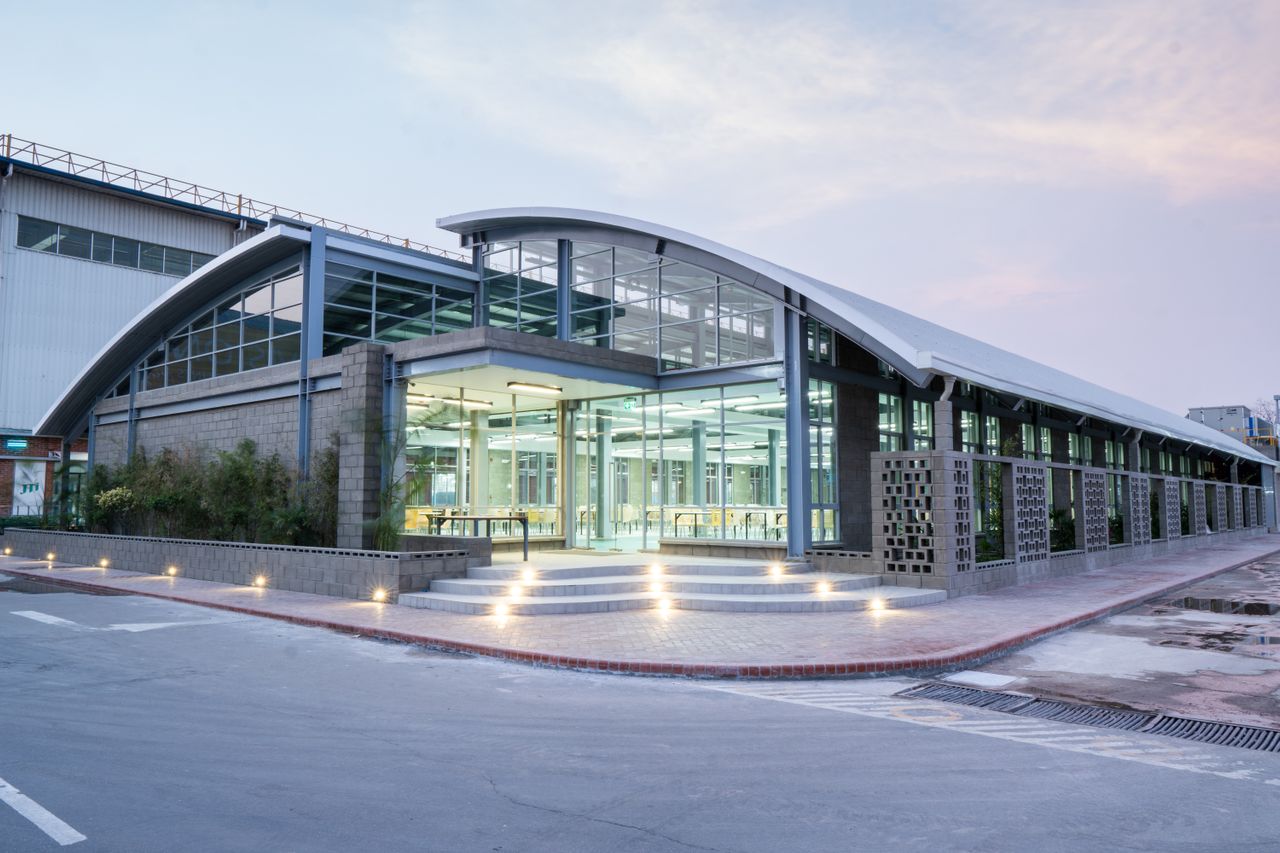
Owning or managing a commercial building comes with a long list of responsibilities, and safety and structural upgrades tend to sit near the top of that list.
These projects often get postponed simply because building owners are not sure what each upgrade actually involves or why it matters. From roofing to fire containment systems, every component plays a role in protecting the people inside and the investment itself.
This article walks through several common upgrades, what they typically include, and where property owners can begin looking for each type of service.
Parking Lot and Exterior Access Improvements
The condition of a parking lot says a lot about how a commercial property is maintained overall. Cracked pavement, faded striping, poor drainage, and uneven curb ramps can create safety hazards for both pedestrians and vehicles.
Beyond appearances, exterior access points need to remain clear and functional for emergency vehicles at all times. Paving contractors and civil engineering firms typically handle these projects, and many municipalities maintain lists of licensed providers for property owners to review.
Emergency Lighting and Signage
Clear, functional emergency lighting is one of those systems that goes unnoticed until it is needed most.
Exit signs, pathway lighting, backup power sources, and illuminated directional markers all work together to guide people safely out of a building during an emergency. Local fire codes typically dictate placement and testing requirements.
These standards shift periodically as building codes are updated, so electrical contractors who specialize in commercial properties are usually the ones equipped to install and service these systems.
Metal Roofing Panels
A commercial roof takes on constant exposure to weather, and metal roofing panels have become a common choice for buildings that need long-term durability. These panels, which can be purchased from companies that provide metal fabrication services, are known for holding up under heavy rain, high wind, hail, and shifting temperatures better than some traditional roofing materials.
Property owners considering this option often appreciate the reduced maintenance demands compared to other roofing types. Roofing contractors who specifically work with metal systems can be found through local trade associations or by asking neighboring commercial properties about their own roofing experiences.
HVAC System Replacement
Heating and cooling systems in commercial buildings run for extended hours across large square footage, often more than building owners realize.
Older systems tend to lose efficiency over time, which can affect both comfort and air quality throughout the building. Replacing an aging HVAC system is often driven by a combination of performance issues and rising maintenance calls. Commercial HVAC companies handle this type of replacement, and many offer assessments to help building owners understand their current system’s condition before moving forward with any changes.
Loading Dock Equipment
For buildings that handle regular deliveries or shipments, loading dock equipment plays a significant role in daily operations. Dock levelers, bumpers, seals, and vehicle restraints all contribute to safer and smoother transitions between trucks and the building interior. Worn or outdated equipment in this area can lead to delays and increased risk of injury for workers.
Specialized loading dock suppliers and industrial equipment companies are the typical source for these upgrades, and many also offer inspection services to identify what needs attention.
Won-Door SteelGuard
Fire containment is a critical part of any commercial building’s safety plan, and Won-Door SteelGuard is one system designed specifically for this purpose.
Unlike traditional fire doors, steel accordion security doors use an accordion-style design that can span large openings without requiring a swinging door. It is often found in buildings with wide corridors, atriums, or areas where a standard door would not be practical.
Fire protection companies that specialize in life safety systems are typically the ones who install and maintain this type of equipment, and they can help determine where it fits within a building’s overall fire plan.
Window and Glazing Upgrades
Windows affect a surprising number of factors in a commercial building, including energy efficiency and natural light. Older glazing tends to allow more heat transfer, which can strain HVAC systems and increase discomfort for occupants.
Upgrading to modern glazing options can also improve safety in buildings located in areas prone to severe weather. Commercial glazing contractors handle these projects, and building owners often start by requesting an evaluation of their current window performance.
Fire Suppression Systems
Sprinkler systems and other fire suppression equipment are foundational to any commercial building’s safety infrastructure. These systems require regular inspection and occasional upgrades as codes change or as a building’s layout is modified. A properly functioning suppression system can significantly limit the spread of fire and reduce damage to both property and structure.
Licensed fire protection companies are responsible for installing, inspecting, and servicing these systems, and most jurisdictions require documentation of regular maintenance.
Flooring and Coatings
Industrial and commercial flooring takes on heavy foot traffic, equipment movement, chemical exposure, and constant moisture in some environments.
Epoxy coatings and similar treatments are commonly used to protect flooring and extend its usable life. These coatings also improve slip resistance in areas where safety is a concern. Flooring contractors who work specifically with commercial and industrial spaces can evaluate existing conditions and recommend appropriate coating options.
Insulation Upgrades
Insulation is easy to overlook because it is hidden within walls and ceilings, yet it has a direct impact on energy costs and building comfort. Older commercial buildings often have insulation that no longer meets current performance standards. Upgrading insulation can also play a role in fire resistance depending on the materials used.
Insulation contractors and energy efficiency specialists typically handle this type of work, and some utility companies offer assessments to help identify areas where insulation is lacking.
Security and Access Control Systems
Modern security systems have moved well beyond simple locks and keys. Keycards, biometric scanners, networked camera systems, and visitor management software now work together to give property owners a fuller picture of who enters and exits a building.
These systems also create a record for review if needed, which many building owners find useful during incident reviews.
Security integration companies handle installation and ongoing support, and many offer consultations to assess a building’s specific vulnerabilities.
Upgrading a commercial building’s safety and structure is rarely a single project. It tends to unfold as a series of improvements, each addressing a different part of what keeps a building functioning and its occupants protected.
Understanding what each upgrade involves makes it easier for property owners to prioritize their next steps and know who to contact when the time comes. With the right professionals involved, these projects become manageable and worthwhile steps toward a safer, more reliable property.

Owning a home comes with a long list of responsibilities that go far beyond mowing the lawn or repainting a fence. Many systems inside and outside a house require attention from trained professionals who understand how they work and what can go wrong over time.
Homeowners often wait until something breaks down completely before calling for help. That delay can lead to more disruption and higher repair costs than routine attention would have caused.
Getting familiar with the services that keep a home in good working order can make a real difference in comfort, safety, and long-term upkeep. Below are several areas of the home that benefit from regular professional care and why each one matters.
Plumbing Inspection
Plumbing systems operate mostly out of sight, which makes it easy to overlook small issues until they turn into larger ones. A licensed plumber can identify slow leaks, corrosion, pressure irregularities, or early signs of pipe wear that might not be obvious to someone without specialized training.
Older homes in particular sometimes have pipe materials that are now known to degrade over time or affect water quality. Catching these problems early often prevents water damage to floors, walls, foundations, or nearby structural framing, which can be costly and disruptive to repair.
Roof Inspection
The condition of a roof directly affects the structure underneath it. Weather exposure over the years causes gradual wear that is not always visible from the ground. A professional roof inspection can reveal cracked shingles, weakened flashing, damaged underlayment, or areas where moisture has started to seep in unnoticed.
Addressing these issues before they worsen helps avoid interior damage and extends the life of the roofing material.
Electrical Panel Check
Electrical systems are one of the most important safety features in any home, yet they often go unchecked for years at a time. An electrician can evaluate a panel for outdated components, overloaded circuits, or wiring that no longer meets current safety standards.
Homes that have been renovated or expanded sometimes end up with electrical demands that exceed what the original panel was designed to handle. Having a professional review the system helps homeowners understand what is working well and what might need attention down the road.
Water Heater Maintenance
Water heaters are used daily but rarely thought about until hot water stops flowing. Sediment buildup, worn components, aging tanks, or corroded fittings are common issues that develop gradually inside the unit.
A technician familiar with these systems can assess the condition of a water heater and explain how much longer it is likely to perform reliably. Understanding the general lifespan and warning signs of a water heater helps homeowners plan ahead instead of dealing with a sudden failure.
Gutter Cleaning
Gutters direct water away from a home’s foundation. When they become clogged with debris, water can overflow and pool in places it was never meant to reach.
This overflow sometimes leads to problems with siding or landscaping, and in some cases it contributes to basement moisture depending on how the water travels. A professional service can clear out buildup and check for any damage to the gutter system that might not be visible from a distance.
Air Conditioning Repair
Cooling systems face their heaviest demand during the warmest months of the year, which is exactly when a breakdown feels most inconvenient. Components inside an air conditioning unit wear down gradually. Refrigerant levels or airflow issues can reduce how efficiently a system runs, and a licensed HVAC technician, from businesses like Airco, can diagnose what is causing reduced performance or unusual noises coming from the unit.
Regular attention to an air conditioning system helps homeowners avoid a complete shutdown during periods of extreme heat.
Pest Control
Insects and rodents can enter a home through openings that are often too small to notice. Once inside, they can cause damage to insulation, wiring, structural wood, or stored belongings over time.
A pest control professional understands the signs of infestation and the conditions that tend to attract unwanted visitors. Getting a home checked periodically helps catch these issues before they spread or cause lasting damage.
Chimney and Dryer Vent Cleaning
Both chimneys and dryer vents depend on clear pathways to function safely. Chimneys collect creosote and debris from regular use, while dryer vents trap lint that restricts proper airflow.
A professional cleaning service has the tools and knowledge to clear these pathways thoroughly. Homeowners who overlook this kind of maintenance may not realize the buildup exists until it becomes a serious safety concern.
Insulation Check
Insulation affects comfort and energy use throughout a home, though its condition is easy to forget about once it has been installed. Over time, insulation can settle, become damp, or lose some of its effectiveness depending on the material and location. A professional evaluation can determine whether current insulation levels are adequate for the climate and structure of the home.
This kind of assessment gives homeowners a clearer picture of where energy might be escaping unnecessarily.
Garage Door Maintenance
Garage doors are large mechanical systems that many homeowners rarely think about until something goes wrong. Springs, cables, openers, or tracks all experience wear from repeated use and can fail without much warning.
A technician familiar with garage door systems can inspect these components and identify parts that are showing signs of strain. Because garage doors are heavy and involve tension-based mechanisms, professional attention is especially important for safety reasons.
Appliance Servicing
Household appliances such as refrigerators, dishwashers, ovens, or washing machines are built to last for years, but they still require occasional professional attention. Small issues often signal a part that needs adjustment or replacement. Unusual noises, inconsistent temperatures, slower performance, or unexpected cycling can all point to something worth having checked.
A qualified appliance technician can diagnose these issues without needing to replace the entire unit, which tends to extend how long the appliance stays usable.
Keeping a home in good condition involves paying attention to systems that are not always visible in daily life. From plumbing and electrical work to cooling systems and appliances, each area plays a part in how safely and comfortably a home functions.
Scheduling regular checkups with qualified professionals allows small issues to be caught early. This often saves homeowners from larger repairs later on, and staying informed about these services gives them a better sense of what their home needs and when it needs it.

Contractors take on projects that involve significant responsibilities, from managing job sites and coordinating subcontractors to handling specialized equipment and working within strict timelines. Even with careful planning and adherence to safety standards, unexpected incidents can happen. Property damage, workplace accidents, claims of negligence, and third-party injuries may lead to costly legal and financial consequences that can affect a business’s stability.
Liability insurance serves as an important safeguard against these risks. It helps contractors manage unexpected expenses while demonstrating professionalism and reliability to clients. Understanding why liability insurance matters can help contractors make informed decisions that support both their daily operations and long-term business success.
Protecting Against Unexpected Financial Losses
Construction projects often involve multiple moving parts, making it impossible to eliminate every potential risk. A customer may claim that a contractor caused damage to their property, or a third party could suffer an injury while visiting the job site. Without liability insurance, contractors may be responsible for paying legal fees or repair costs out of pocket.
Liability insurance helps lessen the financial impact of covered claims by providing protection against many common risks associated with contracting work. Rather than allowing a single incident to create significant financial strain, insurance can help businesses recover more effectively and continue serving their clients.
Building Greater Client Confidence
Many property owners, developers, commercial clients, and project managers prefer working with contractors who carry adequate liability insurance. In many cases, proof of insurance is required before a project begins, particularly for larger commercial or government contracts.
Having liability insurance demonstrates that a contractor takes risk management seriously and is prepared to address unexpected situations responsibly. This added level of professionalism can strengthen client relationships, improve credibility, increase opportunities to secure competitive projects, and support long-term business growth.
Meeting Industry and Contract Requirements
Liability insurance is frequently required by licensing agencies, project owners, general contractors, and commercial clients. Many construction contracts specify minimum insurance coverage that contractors must maintain throughout the duration of a project.
Maintaining the appropriate insurance coverage helps contractors meet contractual obligations while avoiding delays that may result from missing documentation. It also allows businesses to pursue a wider range of projects that require proof of insurance as part of the bidding or approval process.
Supporting Long-Term Business Stability
Successful contracting businesses focus on completing current projects as well as on maintaining steady growth over time. An unexpected claim without insurance could significantly affect cash flow or even threaten the continuation of the business.
Liability insurance, like those offered at Sierra Oak Insurance Services Inc, contributes to long-term stability by helping contractors manage unforeseen events more effectively. With appropriate coverage in place, business owners can focus on improving operations, investing in equipment, expanding services, and pursuing new opportunities without carrying the full financial burden of every potential claim.
Demonstrating Professional Responsibility
Professionalism extends beyond delivering quality workmanship. It also includes preparing for situations that may arise despite careful planning and adherence to industry standards. Liability insurance reflects a contractor’s commitment to responsible business practices and risk management.
Clients, suppliers, subcontractors, and project partners often appreciate working with contractors who have taken steps to protect everyone involved in a project. This commitment can contribute to stronger professional relationships and reinforce a contractor’s reputation within the industry.
Liability insurance is an essential investment for contractors seeking to protect their businesses from unexpected risks while building trust with clients and meeting industry expectations. From covering potential financial losses to supporting long-term business stability, the right insurance coverage plays a valuable role in helping contractors operate with confidence. By making liability insurance a key part of their overall business strategy, contractors can better position themselves for continued growth and lasting success in a competitive construction industry.

A Practical Look at 11 Commercial Building Safety and Structural Upgrades

11 Home Maintenance Services Every Homeowner Should Know About

Why Liability Insurance Is Essential for Every Contractor

Why Cattle Waterers Are Essential for Modern Livestock Operations

NCC Verona Lago di Garda – Private Transfers Between Verona and Lake Garda
Why Cattle Waterers Are Essential for Modern Livestock Operations
Why Liability Insurance Is Essential for Every Contractor
A Practical Look at 11 Commercial Building Safety and Structural Upgrades