
News
4 Restorative Dentistry Options To Replace Missing Teeth

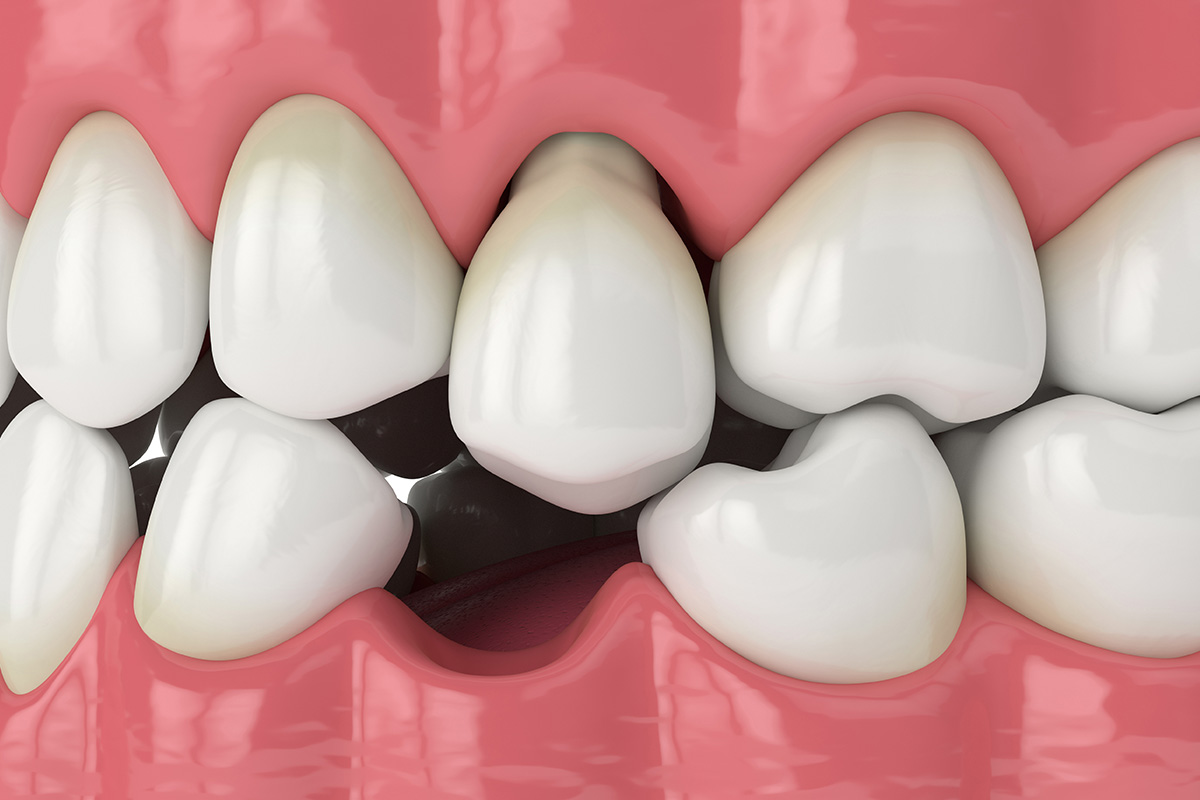
Missing teeth change how you eat, speak, and smile. They can also strain your remaining teeth and jaw. You may feel embarrassed. You may avoid photos, social events, or even certain foods. That quiet burden wears you down. You do not have to live with those gaps. A North San Antonio dentist can restore your mouth so you chew with strength and speak with ease. This blog explains four proven options to replace missing teeth. You will see how each option works, what it feels like, and what to expect during treatment. You will also learn which choices last longer, which are easier to clean, and which may fit your budget. With clear facts, you can choose care that matches your health, your routine, and your goals. Your next step can be steady, informed, and focused on getting your mouth back in working order.
Why replacing missing teeth matters
A gap in your smile is not only a cosmetic issue. It affects your whole mouth. Nearby teeth can drift. Your bite can shift. Your jaw joint can ache. You may chew on one side and wear those teeth down.
The National Institute of Dental and Craniofacial Research explains that tooth loss raises the risk of gum disease and changes how you eat and speak.
When you replace missing teeth, you protect three things. You protect your bite. You protect your jaw. You protect your confidence.
Option 1: Dental implants
Dental implants replace the root of a missing tooth. A small metal post goes into your jawbone. After healing, a crown attaches on top. The crown looks and feels like a natural tooth.
Implants often work well if you have one or a few missing teeth. They can also support bridges or full dentures.
Benefits
- Stay fixed in place while you eat and speak
- Help keep your jawbone strong
- Do not rely on nearby teeth for support
Possible limits
- Need enough healthy bone
- Need surgery and healing time
- Higher cost per tooth compared with some options
Option 2: Fixed dental bridges
A fixed bridge replaces one or more missing teeth in a row. The bridge uses crowns on the teeth next to the gap. These teeth support an artificial tooth in the middle.
Bridges can work well if you have strong teeth on each side of the gap.
Benefits
- Do not come out during normal eating or speaking
- Often need less time than implants
- Can restore several teeth in one section
Possible limits
- Require shaping of nearby teeth
- Can trap food under the bridge if you do not clean well
- Do not support the jawbone beneath the missing tooth
Option 3: Removable partial dentures
Removable partial dentures replace several missing teeth when you still have some natural teeth. The denture has a plastic base that matches your gums. It snaps around or rests on your remaining teeth.
Partials often fit people who have many gaps in different parts of the mouth.
Benefits
- Usually lower cost than implants or multiple bridges
- Can replace many teeth at once
- Can be adjusted or remade as your mouth changes
Possible limits
- Need to remove and clean them daily
- May feel bulky at first
- Can rub your gums if they do not fit well
Option 4: Full dentures
Full dentures replace all teeth on the upper jaw, lower jaw, or both. They rest on your gums. Some people also use implants to support their dentures for more stability.
Full dentures often help when most or all teeth are missing or damaged.
Benefits
- Restore the look of a complete smile
- Help you chew more foods than with bare gums
- Can be updated over time as your gums change
Possible limits
- Can move or click if they do not fit closely
- Need daily removal and careful cleaning
- Do not stop bone loss in the jaw unless used with implants
Comparison of tooth replacement options
| Option | Best for | Removable or fixed | Typical lifespan with good care | Cleaning routine
|
|---|---|---|---|---|
| Dental implants with crowns | One or a few missing teeth | Fixed | Many years | Brush and floss like natural teeth |
| Fixed dental bridge | One or a few teeth in a row | Fixed | Many years | Brush and use floss threaders under the bridge |
| Removable partial denture | Several missing teeth with some natural teeth left | Removable | Several years | Remove, brush denture, clean gums and teeth |
| Full denture | Most or all teeth missing | Removable or implant supported | Several years | Remove, brush denture, clean gums and tongue |
How to choose the right option for you
You and your dentist decide together. The best choice depends on three main things. These include your mouth health. These include your budget. These include how you want your teeth to feel day to day.
Here are key questions to ask during your visit.
- How many teeth need replacement now
- How strong are the teeth next to the gaps
- Is your jawbone thick enough for implants
- How often are you ready to come in for visits
- Do you prefer fixed teeth or removable teeth
- What are the short-term and long-term costs
Daily care after tooth replacement
Any choice demands daily care. You protect your investment when you keep your mouth clean. You also protect your heart and general health when you control gum infection.
Use these three steps.
- Brush twice a day with fluoride toothpaste
- Clean between teeth or under bridges each day
- Visit your dentist on a regular schedule for checks and cleanings
The Centers for Disease Control and Prevention stresses the link between oral health and overall health.
Your next step
You do not need to hide your smile or chew in pain. You can replace missing teeth with a plan that fits your life. Start by talking with a trusted dentist. Bring your questions. Bring your worries. Ask about implants, bridges, partials, and full dentures.
With clear guidance, you can choose an option that helps you eat, speak, and smile with steady confidence again.

A commercial roof often goes unnoticed until a leak appears or severe weather exposes a weakness. For business owners, however, the condition of the roof deserves attention long before problems arise. It serves as the first line of defense against the elements, protecting the building and the daily activities taking place inside. The quality of its installation also influences how well the entire roofing system performs over time.
Choosing professional commercial roofing installation is an investment in the property’s long-term condition. Experienced roofing contractors understand the demands of commercial structures and the importance of installing a roof according to the building’s specific requirements. Their expertise supports dependable performance, reduces the likelihood of avoidable repairs, and protects the business from unnecessary disruptions.
Ensuring Reliable Weather Protection
Commercial roofs face constant exposure to changing weather conditions. Heavy rainfall, strong winds, intense sunlight, and fluctuating temperatures gradually test the strength of roofing materials. Poor installation leaves vulnerable areas where moisture may penetrate the structure, eventually damaging ceilings and interior finishes.
Professional installation addresses these risks through proper material placement and careful attention to vulnerable roof sections. Contractors assess drainage requirements, secure roofing components, and ensure that seams and flashing receive appropriate treatment. These details establish a more dependable barrier against water intrusion.
For business properties, effective weather protection is essential to maintaining a safe and functional indoor environment. A properly installed roof reduces the risk of water-related damage that might otherwise interrupt normal operations.
Extending Long-Term Roof Performance
Commercial roofing systems represent a substantial property investment. Their service life depends partly on material quality, but installation workmanship also plays a significant role. Even durable roofing products may deteriorate prematurely when installed incorrectly.
Professional roofing contractors follow manufacturer specifications and established installation practices to support the intended performance of the roofing system. They also account for factors such as roof slope, drainage patterns, and the building’s structural characteristics.
This attention to detail lessens the likelihood of premature deterioration caused by installation errors. For property owners, a well-installed roof offers a more dependable foundation for long-term maintenance planning and future budgeting.
Reducing Unexpected Repair Expenses
Roofing problems rarely remain confined to the original point of failure. A small leak might eventually damage insulation, weaken interior materials, or affect equipment stored beneath the roof. If the issue goes unnoticed, the resulting repair bill may exceed the cost of addressing the original defect.
Professional installation reduces the likelihood of these avoidable expenses by prioritizing proper preparation and precise workmanship. Contractors identify potential concerns before installation and address details that could otherwise compromise the finished system.
Although professional installation may require a higher initial investment than an inadequately performed job, the long-term financial benefits often justify the expense. Fewer installation-related problems also support more predictable maintenance costs throughout the roof’s service life.
Maintaining Safe Business Operations
A damaged or poorly installed roof poses risks beyond the building itself. Water entering the property may create slippery floors, damage electrical equipment, or threaten inventory. In commercial environments, these problems introduce safety concerns and potentially disrupt employee productivity.
Professional commercial roofing installation establishes a stronger foundation for protecting the people and assets inside the building. Contractors also follow appropriate safety procedures during the project, minimizing risks associated with working at height and handling roofing materials.
A dependable roofing system supports business continuity by reducing the likelihood of weather-related interruptions. This reliability matters particularly for facilities that depend on consistent indoor conditions to serve customers or maintain daily operations.
Protecting Property Value
The condition of a commercial roof influences how prospective buyers, tenants, and property managers evaluate a building. Visible deterioration or a history of recurring leaks may raise concerns about future expenses and overall property maintenance.
A professionally installed roof demonstrates attention to the building’s upkeep. Installation records and applicable warranties also provide useful documentation when evaluating the property’s condition.
Ultimately, professional commercial roofing installation supports the long-term value of business properties. By prioritizing quality workmanship from the beginning, owners position their buildings for reliable performance and more manageable maintenance needs. Choosing an experienced commercial roofing contractor is therefore a practical decision that extends beyond the installation itself. It establishes a foundation for protecting the property, supporting daily operations, and preserving the value of a significant business asset.

Moving to a new home often involves more than transporting belongings from one address to another. The process requires careful planning, suitable equipment, reliable transportation, and enough time to manage each stage. For homeowners and renters preparing for a move within the same area, local moving services offer a practical option that deserves consideration.
Choosing a professional team familiar with the local area brings several advantages throughout the moving process. From reducing logistical concerns to providing a more organized experience, local movers offer valuable support for people who want to approach their next move with greater confidence.
In this blog post, we’ll explore reasons local moving services are worth considering for your next move. Read on!
Simplify the Moving Process
A local move might involve a shorter distance, but that does not necessarily mean it requires less preparation. Packing household belongings, loading furniture, protecting fragile items, and coordinating transportation still require considerable effort.
Professional movers take on much of the physical work involved in relocating. Their experience with residential moves allows them to follow an organized process from the initial loading stage through delivery. This lessens the pressure placed on homeowners and leaves them with more time to focus on other responsibilities connected with the move.
Benefit From Local Knowledge
One of the most valuable advantages of choosing a local moving company is its familiarity with the surrounding area. Experienced local movers, such as those from NetMOVE, often understand common traffic conditions, neighborhood layouts, parking restrictions, building access concerns, and other factors that influence moving day.
That knowledge supports more efficient planning. A moving team familiar with the community may also recognize potential access challenges before arriving at the property. Addressing those details ahead of time reduces unexpected complications and keeps the move progressing smoothly.
Protect Belongings During Transit
Household possessions require proper handling from the moment they leave the original property. Furniture, electronics, glassware, artwork, and other delicate belongings may suffer damage if they are packed or transported without appropriate care.
Professional movers typically use suitable equipment and established handling techniques for residential relocations. Protective materials, secure loading practices, and careful placement inside the moving vehicle provide added protection throughout the journey. Their experience also reduces the likelihood of avoidable damage caused by improper lifting or unstable loading.
Reduce Physical Demands
Moving heavy furniture and numerous boxes requires significant physical effort. Attempting to complete the entire process without professional assistance may result in exhaustion or unnecessary strain, particularly when large items need to travel through stairs, narrow hallways, or tight entrances.
Hiring local movers transfers much of this demanding work to an experienced crew. This is particularly valuable for households with limited time, physical restrictions, or several large items requiring careful handling. Instead of spending the entire day lifting and carrying, homeowners can concentrate on settling into their new space.
Manage Moving Costs More Clearly
Local moving services also offer a practical approach to managing relocation expenses. Before hiring a company, customers typically receive an estimate based on factors such as the amount of belongings, moving distance, labor requirements, and additional services.
Having these details outlined in advance provides a clearer picture of the expected cost. A professional estimate also gives homeowners an opportunity to compare services based on value rather than focusing solely on the lowest advertised price. Understanding what the quoted price includes minimizes the risk of unexpected expenses during the move.
A local move still represents a major transition, even when the new home is only a short distance away. Professional moving services provide experience, equipment, and practical support that ease many of the challenges associated with relocation.
For those preparing for their next move, choosing a reputable local moving company is worth considering. With the right team handling the transportation and physical demands, homeowners gain more time and peace of mind throughout the transition. A well-organized moving experience provides a strong start in the new home and reduces many of the stresses associated with moving day.

Owning a home involves managing complex mechanical systems and structural components that require routine professional attention. Proactive household care keeps major equipment working efficiently.
Understanding what each specialty service provides allows homeowners to make informed decisions about property care. These essential professional services maintain overall safety and long-term property value over time.
Roof Inspection and Maintenance
Roofs endure constant exposure to harsh weather conditions and require periodic professional evaluations to detect minor damage before leaks form. Homeowners can contract independent roofing companies or licensed building inspection firms for these detailed evaluations. A certified roofing professional checks shingles, flashing, gutters, and ventilation gaps to confirm structural integrity across the entire exterior.
Regular professional monitoring protects interior ceilings and wall framing from water contamination while preserving the overall lifespan of the building material.
Plumbing Systems Care
Plumbing systems handle water delivery and waste removal throughout the entire residence, making proactive professional checks vital for daily health and sanitary conditions. Licensed plumbing contractors and full-service residential mechanical companies offer comprehensive assessments for home water lines.
During a service appointment, technicians inspect hidden supply lines, drainage pipes, fixtures, and water heaters to locate hidden leaks or mineral buildup. Identifying minor line blockages or worn pressure valves prevents pipe bursts and costly interior water damage.
Electrical Safety Audits
Overloaded electrical panels and degraded wiring create significant fire risks that routine electrical inspections easily identify. Licensed master electricians and regional electrical contracting agencies perform these comprehensive safety audits for residential properties. The visiting electrician tests main circuit breakers, outlet grounding, wall switches, and electrical panels to confirm complete compliance with modern safety codes.
Scheduled electrical evaluations verify that modern appliances receive steady power without stressing existing internal wiring circuits.
Gutter and Downspout Maintenance
Clogged rain gutters cause rainwater to overflow and accumulate around the home foundation, leading to serious structural soil erosion.
Property owners can hire specialized gutter cleaning services or professional exterior maintenance crews to manage these tasks safely. A trained service worker clears out organic debris, checks attachment brackets, aligns downspout extensions, and flushes drainage lines. Keeping runoff moving freely away from exterior walls stops wood rot and keeps basement walls dry during heavy rainstorms.
Heating and Air Conditioning Servicing
Heating and cooling systems work continuously to regulate interior temperatures and filter ambient air throughout every season.
Homeowners secure these crucial tune-ups through certified HVAC contracting companies, such as Airco, or licensed climate control technicians. A technician inspects blower motors, cleans condenser coils, tests electrical connections, and verifies correct refrigerant levels during a standard service visit.
Routine HVAC maintenance keeps utility consumption manageable while avoiding sudden mechanical breakdowns during extreme temperature periods.
Chimney and Fireplace Care
Creosote accumulation inside active chimneys presents a severe fire hazard that requires specialized annual removal. Certified chimney sweeps and licensed masonry restoration contractors provide thorough chimney cleaning and structural safety inspections.
The specialist examines flue liners, damper mechanisms, chimney caps, and exterior brickwork to confirm proper ventilation and safety. Clearing blocked flues prevents carbon monoxide accumulation inside living quarters and preserves safe fireplace operation during winter months.
Termite and Pest Control
Unchecked pest infestations cause significant damage to wooden structural supports and create unhygienic conditions inside living spaces. Licensed pest management firms and regional extermination companies offer scheduled pest monitoring along with targeted treatments. An exterminator searches foundation walls, attic rafters, crawlspaces, and exterior perimeter soil to detect signs of unwanted wood-destroying insects.
Continuous pest management safeguards structural framing and keeps living areas clean and comfortable for all occupants.
Foundation and Structural Monitoring
Shifting soil and water pressure cause foundation walls to crack, creating long-term structural instability across the entire building.
Property owners can hire independent structural engineering firms or certified foundation repair specialists to evaluate structural settlement. A qualified structural specialist measures wall movement, checks floor levelness, examines load-bearing supports, and assesses exterior drainage patterns. Professional evaluations allow homeowners to address minor masonry cracks before extensive structural repairs become necessary.
Lawn Care and Exterior Landscaping
Overgrown trees and dense vegetation damage home siding, block sunlight, clog roof gutters, and drop heavy limbs during severe storms.
Homeowners hire licensed tree care companies or professional landscaping providers to maintain exterior foliage properly. An arborist prunes dead branches, trims encroaching tree canopies, manages ground cover, and inspects root systems near underground utility lines.
Professional landscape management protects exterior building finishes and keeps trees growing safely away from overhead power structures.
Window and Exterior Sealant Care
Failing caulk and worn weather-stripping allow moisture and drafts to breach window frames, lowering home energy efficiency over time.
Homeowners can hire professional window restoration services or residential weatherization contractors to update deteriorating exterior seals. A technician inspects glass seals, replaces hardened caulking, installs fresh weather-stripping, and checks window sash alignment. Maintaining tight seals prevents wood rot around window frames while stabilizing indoor climate control performance.
Septic and Sewer Line Maintenance
Underground waste lines carry household effluent away from the living area, making regular inspections vital for avoiding sewage backups.
Property owners contract licensed septic pumping companies or municipal sewer service specialists to manage these underground systems. A waste management technician inspects tank fluid levels, checks baffle tees, cleans effluent filters, and monitors pipe flow using video cameras.
Scheduled waste line maintenance prevents hazardous soil contamination and extends the operational life of underground piping networks.
Systematic household maintenance requires partnering with reliable, qualified professionals across many trades. Scheduling routine inspections throughout the year keeps major home equipment running smoothly and prevents sudden costly repairs.
Working with certified experts protects property integrity and offers reassurance for homeowners. Staying informed about each mechanical system allows property owners to manage household needs with confidence.

Why Professional Commercial Roofing Installation Matters for Business Properties

Why Local Moving Services Are Worth Considering for Your Next Move

Cazino și divertisment digital: rolul limitelor și al transparenței

How Traffic Safety Cones Enhance Visibility and Hazard Awareness