
Business
Expanding Global Reach: Philippines-Based Call Center Solutions for Small Businesses

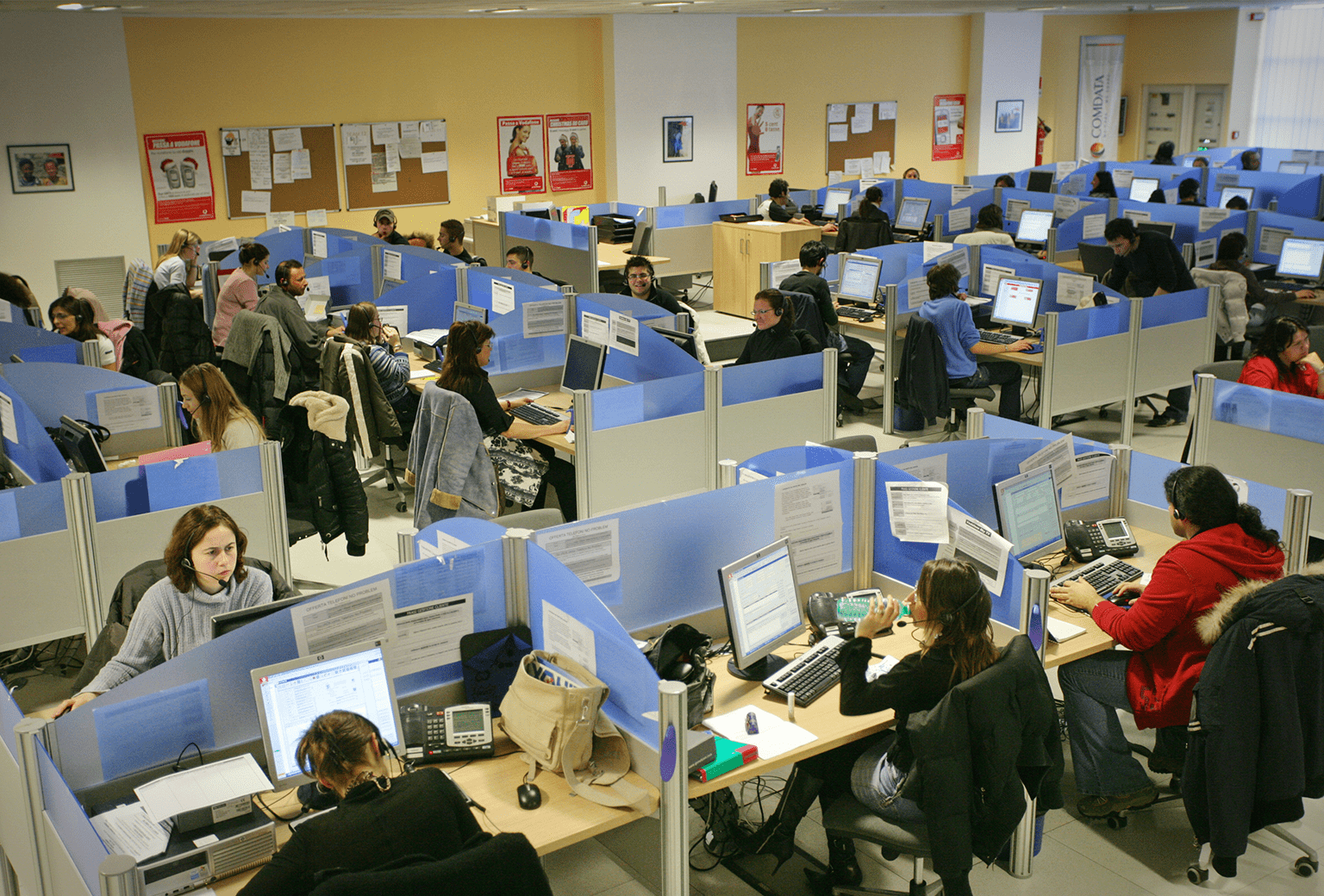
For small businesses looking to enhance their global competitiveness, efficient and cost-effective customer support is paramount. Hit Rate Solutions provides Philippines-based call center services that blend affordability with high-quality service. This article delves into how small businesses can leverage these services to expand their customer service capabilities without incurring significant overhead costs, ultimately enhancing their global presence and customer satisfaction.
The Appeal of Philippines-Based Call Centers
The Philippines has become a hub for call center services due to its large English-speaking population and cultural affinity with the West. These factors make Philippines-based call centers an attractive option for small businesses aiming to provide excellent customer service while managing costs effectively.
Cost Efficiency
One of the primary advantages of outsourcing to the Philippines is cost efficiency. Labor costs in the Philippines are significantly lower than in many Western countries, which allows small businesses to offer 24/7 customer support without the heavy financial burden. This cost-saving can then be reinvested into other areas of the business to drive growth and innovation.
Quality of Service
Despite the lower costs, the quality of service provided by Philippines-based call centers is high. The workforce in the Philippines is well-educated, highly trainable, and culturally aligned with Western business practices, ensuring that communication is effective and customer service is of a high standard.
Benefits of Outsourcing Call Center Operations
Outsourcing call center operations to the Philippines can offer several benefits to small businesses, particularly those looking to expand their operations internationally.
Scalability
Philippines-based call centers can easily scale their operations to match the changing needs of small businesses. Whether it’s handling seasonal spikes in customer service requests or scaling back during slower periods, these call centers provide flexibility that can be crucial for small businesses.
Focus on Core Business Activities
By outsourcing customer service tasks, small business owners and their teams can focus on core business activities without being overwhelmed by the demands of customer support. This focus can lead to better product development, improved marketing strategies, and overall business growth.
Extended Global Reach
With the support of a Philippines-based call center, small businesses can extend their service hours to cover multiple time zones, making them more accessible to a global customer base. This accessibility can be a significant competitive advantage in the global market.
Partnering with call center solutions for small business
Choosing the right partner for outsourcing call center operations is crucial. Call center solutions for small business specialize in understanding the unique challenges faced by small enterprises and offer tailored services that meet these specific needs.
Customized Service Offerings
Philippines-based call centers often provide customized solutions that cater specifically to small businesses. These can include multi-channel support across phone, email, and live chat, as well as CRM integration and outbound marketing services.
Expertise and Experience
Many Philippines-based call centers boast a wealth of experience in serving international clients, which means they are well-equipped to handle a diverse range of customer service scenarios. This expertise ensures that customer interactions are handled professionally and efficiently, enhancing customer satisfaction and loyalty.
Conclusion
Expanding into global markets is a significant challenge for small businesses, but it also presents a tremendous opportunity. By partnering with Philippines-based call center services, small businesses can provide high-quality customer support, manage costs effectively, and focus on core activities that drive business growth. This strategic approach not only helps in scaling operations but also builds a strong foundation for sustainable success in the competitive global marketplace.

Traffic safety cones are a familiar sight on roads, car parks, construction sites, and other areas where temporary hazards require attention. Despite their simple design, these highly visible markers play an important role in directing attention toward changing conditions. Their bright colors and distinctive shape give drivers, pedestrians, and workers a clear visual indication that an area requires caution.
Effective hazard awareness often begins with visibility. When people notice a potential danger early, they have more time to adjust their movements and respond appropriately. Traffic safety cones provide a straightforward way to draw attention to areas that require additional care.
Improving Visibility in Busy Areas
High-visibility colors are one of the defining features of traffic safety cones. Bright fluorescent shades stand out against common surroundings such as asphalt, concrete, grass, and industrial flooring. This contrast draws the eye toward the cone, particularly in areas with active traffic or pedestrian movement.
The shape also contributes to recognition. A cone presents a familiar visual signal that is widely associated with temporary hazards, restricted areas, and changes in normal traffic flow. Because people encounter these markers regularly, their presence is often recognized quickly, even from a distance.
In locations where visibility is reduced, such as during poor weather or low-light conditions, reflective bands provide an additional visual cue. When illuminated by vehicle headlights, reflective sections become more noticeable and reinforce the cone’s presence.
Highlighting Temporary Hazards
Many workplace and road hazards are temporary. A damaged section of pavement, maintenance activity, spilled material, or recently completed work might require attention for only a limited period. Permanent barriers are not always practical for these situations, so traffic safety cones provide a convenient way to mark the affected area.
Positioned correctly, cones draw attention to hazards before people reach them. This gives road users and pedestrians an opportunity to slow down or keep an appropriate distance from the affected space.
Their temporary nature also suits changing work environments. As conditions develop, cones can be repositioned to reflect the current boundaries of a work area or hazard zone. This flexibility is particularly useful for maintenance teams and site personnel who regularly deal with changing surroundings.
Guiding Traffic Through Changed Routes
Roadworks and maintenance frequently require normal traffic routes to change. Traffic safety cones provide a clear visual guide when access points shift or vehicles need to move around an active work zone.
A well-positioned line of cones establishes a visible boundary between moving traffic and the work area. Drivers receive a clear indication of where they should travel, reducing uncertainty when approaching an unfamiliar road layout.
Cones also support pedestrian management in busy environments. Around construction sites, events, parking areas, and facilities undergoing maintenance, they provide visible markers that indicate where people should avoid entering or where a temporary route begins.
Supporting Faster Hazard Recognition
Hazard awareness depends heavily on how quickly people notice and understand changes in their surroundings. Traffic safety cones provide an immediate visual message without relying entirely on written signs or verbal instructions. Their recognizable appearance means that people often understand the need for caution simply by seeing a cone ahead. This is especially valuable in situations where there is limited time to process detailed information, such as approaching roadworks or an obstruction.
Using cones alongside appropriate signs, barriers, lighting, and site procedures further reinforces the message. The cone itself is not a substitute for proper traffic management, but it serves as an important visual component within a wider safety arrangement.
Maintaining Clear Safety Boundaries
Clear boundaries are essential wherever vehicles, pedestrians, and workers share the same environment. Traffic safety cones establish a visible separation that draws attention to spaces requiring restricted access or additional caution.
For businesses and site managers, selecting suitable cones and positioning them according to the conditions of the area supports a more organized approach to temporary hazard management. Regular checks are also important to ensure cones remain visible and suitable for continued use.
Traffic safety cones provide a simple yet effective way to improve visibility and raise awareness of temporary hazards. Their high-visibility design draws attention, reflective features support recognition in low-light conditions, and flexible positioning suits changing work environments. Used as part of a broader traffic management strategy, they give people clearer visual information when navigating areas where normal routes or conditions have changed.
For businesses, contractors, event organizers, and site managers, choosing suitable traffic safety cones is an important consideration when planning temporary safety measures. The right equipment, combined with appropriate placement and ongoing site awareness, supports safer movement around changing environments.

Metro cities in India often set the tone for how the rest of the country perceives bullion trends, simply because of the sheer volume of trade that passes through their markets each day. Someone scrolling through financial updates in Maharashtra might pause to check the silver rate today in Pune before finalising a purchase for an upcoming celebration, while a buyer in Telangana could just as easily be searching for the silver rate today in Hyderabad to decide whether it is the right moment to invest in a few silver coins. These two cities, despite their distinct cultural identities and economic drivers, both function as important regional hubs where bullion trading, jewellery manufacturing, and everyday retail buying intersect in interesting ways.
Why Metro Markets Behave Differently From Smaller Towns
When it comes to the silver market, big cities usually offer a deeper and more complex range of options as compared to smaller towns. They are the meeting point of retail, wholesale, and even manufacturing, and therefore the rates set here are used as a reference by other markets. A jewellery store in a small suburb can set its morning rate according to the rates set by the city’s bullion association. It is not uncommon to see daily rates changing depending on the supply situation in metro cities, as large-scale wholesale and manufacturing deals can dictate the margins. jewellery store in a metro city has developed a culture of double-checking rates, and a big purchase is usually made considering the morning or afternoon quotation. There is quite a spread of rates on any given day, and this practice helps avoid losses from last-minute increases.
The Influence of Manufacturing Activities on the Local Retail Price
It is worth noting that metro regions are also home to dozens of jewellery manufacturers, both local and international. The buying trends of big-league manufacturers can influence the rates at a deeper level. When anticipating supply shortages, large-scale manufacturers buy silver bullion in advance to secure supplies, thus indirectly influencing the rates in retail chains. Metro regions are also more likely to be influenced by seasonal demand, as some manufacturers prepare ahead for major holidays (e.g., Christmas) or festive seasons (e.g., wedding season in India). Such tendencies first manifest in the manufacturing segment before trickling down to wholesale and retail levels.
The variety of available products in metro regions is another characteristic that differentiates them from smaller centres. The wider variety of goods means there is a greater variety of rates, which requires more thorough comparison. Someone purchasing silver for the first time may benefit from asking about the fineness of the metal and the making charges when comparing prices from different manufacturers.
Festive Seasons and Local Traditions
India is a country with numerous local holidays and traditions, each of which may have its own silver market characteristics. Depending on the region, local markets may see a surge in demand during Ganesh Chaturthi, the harvest festival, or the local new year. The same goes for weddings, which in many regions of India are celebrated on a large scale. Families buy silver gift sets weeks or months in advance, in part because of the popularity of the holiday and the need to plan accordingly. Corporate gift-giving is also a thing in major metro regions, where companies buy silver coin sets or other gifts for giveaways or employee rewards. Such a concentrated wave of demand is less common in smaller towns and is usually the reason why silver rates in metro regions can be higher than in other regions.
The Role of Informed and Tech-Savvy Buyers
A notable characteristic of the silver market in metro regions is the buyer’s behaviour. More often than not, an informed and thorough search for the best rate is made online, and buyers are more likely to compare several rates before making a final purchase. As a result, many dealers and manufacturers offer online quotations and update them constantly, since one wrong rate in the morning can cost them a sale in the afternoon. A similar tendency is noticeable among local jewellers, who are more likely to be forthcoming about the purity of the metal, which is important considering the prevalence of online research among metro buyers.
Key Considerations while Making a Purchase in the Metro Market
There are a few things to consider when buying silver in a major metro region. First of all, it is critical to compare rates from several sellers and, ideally, buy from the same seller who can offer the best value for the money. It is also important to understand how much you’re likely to pay in manufacturing charges – when the rate of the metal itself is low, but the making charges are high, this may be an unprofitable deal for the buyer. Finally, it is important to make sure that the dealer has an up-to-date certificate of fineness, which should be requested in writing if possible.
In Summary
When purchasing silver in metro regions, buyers are faced with greater complexity and opportunity for rates’ comparison, which ultimately makes them more competitive. A prudent buyer will always compare quotations and perform due diligence before buying, checking the fineness of the metal and researching online to ensure they get a fair deal. The same advice applies to sellers, who are more likely to develop a lasting relationship with the buyer if their rates and manufacturing charges are transparent.

Healing from an eating disorder requires more than nutritional support; it involves creating a daily rhythm that encourages stability and replaces unhealthy habits with healthier ones. Consistent routines can help individuals regain a sense of control while providing opportunities to practice positive behaviors in a supportive setting.
Residential eating disorder treatment centers are designed to provide that structure. With professional guidance available throughout the day, residents follow schedules that encourage steady progress while addressing the emotional and psychological challenges that often accompany eating disorders. As healthy routines become familiar, they are more likely to continue after treatment ends.
In this blog post, we’ll explore how residential eating disorder treatment centers promote healthy daily routines. Read on!
Creating Predictable Mealtime Habits
One of the first priorities during residential treatment is helping individuals develop consistency around eating. Regularly scheduled meals and snacks encourage the body to reestablish natural hunger cues while reducing patterns of binge eating or other disordered behaviors.
Each meal is planned with the individual’s nutritional needs in mind, but the experience extends beyond simply eating. Dietitians and clinical staff, such as those from Center for Change, provide support throughout the process, helping residents challenge distorted beliefs about food and become more comfortable with balanced meals. Every successful meal becomes another step toward building trust in the recovery process.
As these routines are repeated day after day, mealtimes often become less overwhelming. Familiarity helps reduce anxiety, making it easier for residents to approach food with greater confidence instead of fear.
Building Structure Throughout the Day
Recovery benefits from having purpose beyond scheduled meals. Residential programs organize each day with planned activities that keep residents engaged while supporting their overall treatment goals. Therapy sessions, educational opportunities, personal reflection, and appropriate recreation are arranged to create a healthy balance without leaving long periods of unstructured time.
Following a consistent schedule helps replace routines that may have revolved around disordered eating. Instead of reacting to intrusive thoughts throughout the day, residents gradually learn how to move from one meaningful activity to the next with greater focus and intention.
This daily rhythm also reinforces healthy habits that can be carried into life after treatment. Establishing predictable routines often makes the transition back to work, school, or family responsibilities feel more manageable.
Developing Healthier Responses to Challenges
Emotional distress frequently plays a significant role in eating disorders, making it essential to address more than eating habits alone. Residential treatment provides a structured environment where individuals can identify the underlying causes of unhealthy behaviors and practice more constructive responses.
Individual counseling encourages deeper self-awareness, while group sessions provide opportunities to connect with others facing similar struggles. Residents also practice techniques that help them navigate stressful situations without relying on disordered eating as a coping mechanism.
These new responses become stronger through repetition. Over time, healthier choices begin to feel more natural because they are reinforced within everyday routines rather than practiced only during therapy sessions.
Supporting Restful Sleep and Daily Recovery
A consistent sleep schedule can make a meaningful difference during the recovery process. Poor sleep often affects concentration, emotional regulation, and physical healing, which makes it more difficult to fully participate in treatment.
Residential eating disorder treatment centers encourage healthy sleep habits by establishing regular bedtimes and wake-up times. Evening routines are often designed to promote relaxation, allowing residents to gradually prepare for restful sleep instead of ending the day with heightened stress.
Improved sleep supports progress made during treatment. Feeling well-rested can increase emotional resilience, improve focus during therapy, and make it easier to engage in the routines that encourage lasting recovery.
Recovery from an eating disorder is built through consistent choices made one day at a time. Residential eating disorder treatment centers provide an environment where healthy routines become part of everyday life, helping residents rebuild their relationship with food while strengthening the habits that support long-term wellness. As those routines become more familiar, individuals leave treatment with practical skills they can continue using as they move forward in their recovery journey.

Why Local Moving Services Are Worth Considering for Your Next Move

Cazino și divertisment digital: rolul limitelor și al transparenței

How Traffic Safety Cones Enhance Visibility and Hazard Awareness

Comparing Metro Silver Markets and What Drives Their Daily Rates
